What Is Freon and Why Is It Important?
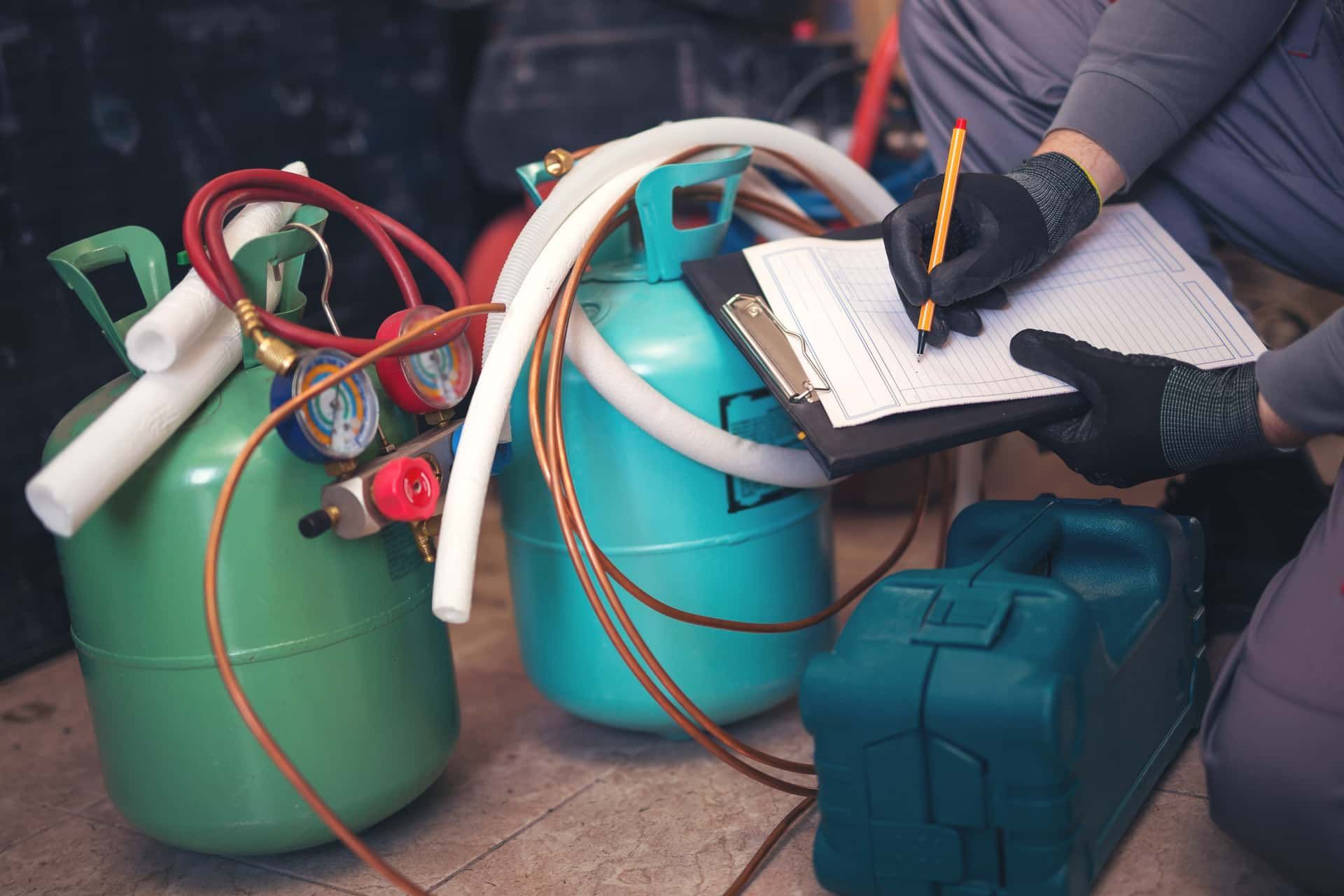
Freon is a brand name used for certain refrigerants, including R-22, that help air conditioners move heat from inside your home to the outdoors. It works by changing between liquid and gas as it travels through the cooling system. Without the correct refrigerant, your AC cannot cool properly. However, not every modern air conditioner uses Freon.
Many homeowners use the word "Freon" to describe any AC refrigerant. That is common, but the terms are not exactly the same.
Understanding the difference can help you recognize cooling problems, understand what your HVAC technician is checking, and make informed decisions about an older air conditioner.
What Is Freon?
Freon is a trademarked name for a family of refrigerant chemicals. One of the best-known examples is R-22, which was widely used in older residential air conditioners.
A refrigerant is a special fluid that absorbs and releases heat as it moves through a cooling system.
In an air conditioner, refrigerant travels through sealed tubing and coils. Its pressure and temperature change during the cooling cycle, allowing it to collect heat indoors and release that heat outside.
Freon is not the same as ordinary air, and it is not something an air conditioner burns or uses up like fuel.
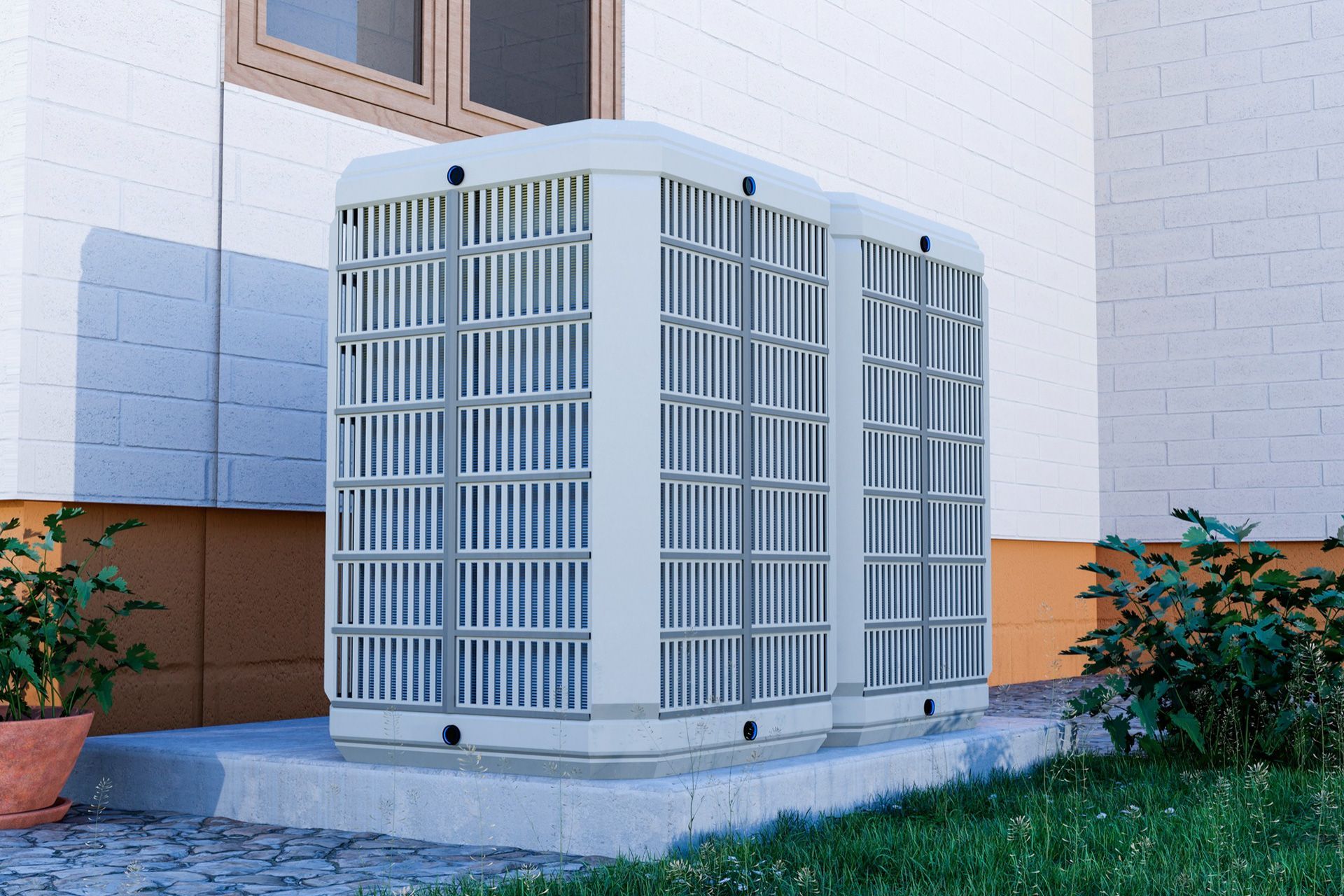
Although people often call every AC refrigerant Freon, newer systems may use different chemicals, including R-410A, R-454B, or R-32.
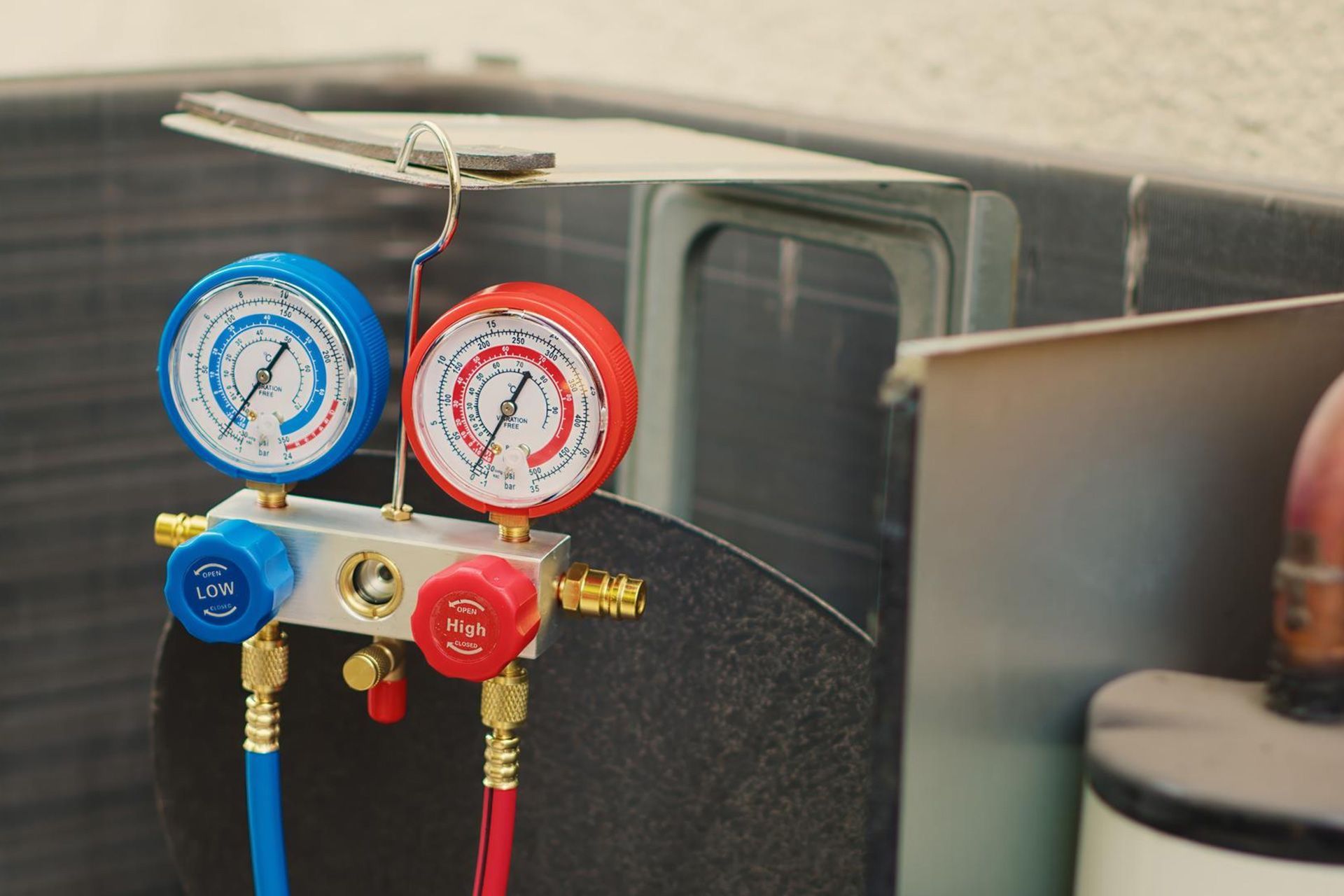
The exact refrigerant depends on the equipment's design. During routine AC maintenance, a technician can identify which refrigerant your system uses and check for signs of leaks or cooling problems.
What Does Freon Do in an Air Conditioner?
Freon's main purpose is to transfer heat.
When your home becomes warm, the air conditioner moves indoor air across a cold evaporator coil.
Refrigerant flowing through that coil absorbs heat from the air.
The system then carries that heat outdoors, where it is released through the condenser coil.
The cooled indoor air moves back through your home.
Freon or another suitable refrigerant helps your AC perform three important functions:
- Remove indoor heat: Refrigerant absorbs heat at the indoor coil.
- Support cooling: The air moving across the coil becomes cooler before returning to your rooms.
- Help remove humidity: Moisture in warm indoor air can condense on the cold evaporator coil and drain away.
The refrigerant does not directly absorb water from the air. Instead, it cools the coil enough for moisture to collect on its surface.
This is especially important in humid climates such as South Florida, where homeowners need both cooling and moisture control.
How Does Freon Work? The Cooling Cycle Explained
Freon works by circulating through an air conditioner's closed refrigerant system.
As its pressure and temperature change, it absorbs heat indoors and releases it outside.
The process has four main stages.
Step 1: Refrigerant Absorbs Indoor Heat
Inside your home, refrigerant flows through the evaporator coil.
Warm indoor air passes over the coil, and heat moves from the air into the refrigerant.
As the refrigerant absorbs heat, it changes from liquid into gas.
The air becomes cooler and circulates back into your rooms.
Step 2: The Compressor Raises the Pressure
The refrigerant gas travels to the compressor, usually located inside the outdoor AC unit.
The compressor raises the refrigerant's pressure and temperature.
This prepares it to release heat into the warmer outdoor environment.
Step 3: The Condenser Releases Heat Outside
The hot refrigerant enters the outdoor condenser coil.
A fan moves outside air across the coil, carrying heat away.
As the refrigerant loses heat, it changes from a high-pressure gas into a liquid.
This is why the outdoor AC unit releases warm air while the system is cooling.
Step 4: The Expansion Device Lowers the Pressure
The liquid refrigerant passes through an expansion device.
This reduces its pressure and temperature before it returns to the indoor evaporator coil.
The refrigerant can then absorb heat again.
The cycle repeats while your thermostat calls for cooling.
In simple terms: Refrigerant collects heat indoors, carries it outside, releases it, and returns to repeat the process.
Is Freon the Same as Refrigerant?
Not exactly.
Refrigerant is the general term for the fluid used in cooling systems.
Freon is a brand name associated with certain refrigerant products.
Think of refrigerant as the category and Freon as a name used for some products within that category.
This difference matters because refrigerants are not interchangeable.
Each air conditioner is designed to operate with a specific refrigerant or an approved alternative under appropriate conditions.
Using the wrong type can damage equipment or create safety risks.
Common AC Refrigerant Types
| Refrigerant | What homeowners should know |
|---|---|
| R-22 | Older refrigerant commonly called Freon; no longer newly produced or imported in the US |
| R-410A | Common in many existing residential AC systems; being phased down for new equipment |
| R-454B | Lower-global-warming-potential refrigerant used in certain newer systems |
| R-32 | Another lower-global-warming-potential refrigerant is used in compatible newer equipment |
| R-22 | can damage the ozone layer when released into the atmosphere. |
| R-410A | does not deplete ozone, but it has a relatively high global warming potential. |
Newer refrigerants such as R-454B and R-32 have lower global warming potential than R-410A, although they still require careful handling.
Some newer refrigerants are classified as mildly flammable and require equipment designed with appropriate safety features.
Never substitute one refrigerant for another without a qualified technician confirming that the equipment and procedure are approved.
Why Is Freon Important for Home Cooling?
Refrigerant is essential because it allows the air conditioner to move heat efficiently through its cooling cycle.
Without the correct amount of refrigerant circulating under the proper conditions, the system may struggle to cool.
For example, imagine a home in West Palm Beach on a hot, humid afternoon.
The thermostat calls for cooling, and the indoor fan starts moving air.
If the refrigerant system has a significant leak, the evaporator coil may not absorb heat properly.
The fan may continue running, but the air coming from the vents may not feel as cool as expected.
Low refrigerant can also affect evaporator coil temperature and contribute to ice formation.
However, poor cooling does not automatically mean a refrigerant problem.
Dirty filters, weak airflow, thermostat faults, and other equipment issues can cause similar symptoms.
A professional diagnosis is needed to identify the actual cause.
Does Freon Run Out Over Time?
No. Refrigerant does not normally run out during regular AC operation.
Your air conditioner is designed with a sealed refrigerant circuit.
The same refrigerant circulates through the system repeatedly.
Unlike gasoline in a car, it is not consumed to produce cooling.
If the refrigerant charge becomes low, a leak is a common cause. An incorrect charge from previous service is another possibility.
Adding refrigerant without addressing the underlying problem may only provide temporary relief.
A technician should evaluate the system, locate and repair leaks when appropriate, and confirm the correct charge using manufacturer procedures.
5 Signs Your AC May Have Low Freon
Low refrigerant can affect cooling performance, but its symptoms often overlap with other AC problems.
1. Warm Air Coming From the Vents
If your AC runs but produces warmer air than usual, a refrigerant issue may be involved.
However, restricted airflow, compressor problems, or thermostat settings can also cause poor cooling.
2. Ice on the Evaporator Coil
Low refrigerant can cause the evaporator coil to become unusually cold.
Moisture may freeze on the coil instead of draining away.
A dirty filter or blower problem can also cause freezing.
If you notice ice, stop cooling and arrange an inspection.
3. AC Runs for Long Periods
A system with an improper refrigerant charge may struggle to reach the thermostat setting.
You might notice longer cooling cycles without a comfortable indoor temperature.
This symptom alone does not confirm a leak.
4. Hissing or Bubbling Sounds
Some refrigerant leaks can produce hissing or bubbling sounds near the tubing or equipment.
However, normal refrigerant movement can also create sounds.
A technician can determine whether an unusual noise indicates a leak.
5. Sudden Changes in Cooling Performance
If your air conditioner previously cooled your home well but now struggles, the refrigerant system may need inspection.
A noticeable change is more useful than assuming refrigerant is low based on the system's age alone.
Important: None of these symptoms proves that Freon is low. Proper testing is necessary.
What Happens If Your AC Has a Freon Leak?
A refrigerant leak can reduce cooling performance and place additional stress on the system.
Depending on the type and amount released, refrigerants can also create health, safety, and environmental concerns.
If you suspect a leak, avoid opening refrigerant lines or attempting a refill.
If a substantial leak is suspected in an enclosed area, leave the area, keep others away, and seek professional or emergency guidance as appropriate.
Do not attempt to locate leaks using flames or household chemicals.
A qualified HVAC technician can inspect the system using suitable detection equipment.
The technician may then recommend repairing the leak, replacing a damaged component, or evaluating the condition of an older system.
Is Freon Still Used in Air Conditioners?
Yes, some older air conditioners still use R-22, commonly called Freon.
However, the United States ended new production and import of R-22 on January 1, 2020.
This does not mean homeowners must immediately replace existing R-22 air conditioners.
Existing systems can continue operating and may be serviced using legally available recovered or reclaimed refrigerant.
The industry has also been moving away from higher-global-warming-potential refrigerants such as R-410A in newly installed equipment.
Under current US requirements, new residential split AC systems installed after January 1, 2026, generally must use refrigerants with a global warming potential below 700.
R-454B and R-32 are examples used in compatible newer systems.
Existing R-410A equipment can still be used and repaired.
For homeowners, the main point is simple: An older refrigerant does not automatically mean your working air conditioner must be replaced.
Equipment condition, compatibility, reliability, and applicable regulations should guide that decision.
How Can You Tell Which Refrigerant Your AC Uses?
The easiest place to start is the manufacturer's equipment label.
Many outdoor AC units have a nameplate that identifies the refrigerant type.
Look for markings such as R-22, R-410A, R-454B, or R-32.
You may also find refrigerant information in the owner's manual or equipment documentation.
If the label is damaged or difficult to read, ask your HVAC technician.
Do not remove equipment panels or disconnect tubing to identify the refrigerant.
The system's age may provide a clue, but the equipment label is more reliable than guessing based on the installation year.
Can You Add Freon to Your AC Yourself?
Homeowners should not attempt to add refrigerant to a residential air conditioner.
Refrigerant work involves pressurized equipment, specialized tools, electrical hazards, and environmental rules.
In the United States, technicians who handle regulated refrigerants during covered servicing activities generally need EPA Section 608 certification.
A proper service visit may involve checking system operation, testing for leaks, making repairs, and charging the system according to manufacturer requirements.
Adding refrigerant without diagnosing the cause can leave the original problem unresolved.
It may also result in an incorrect charge, which can affect cooling and equipment operation.
How to Protect Your AC's Refrigerant System
You cannot prevent every refrigerant leak, but routine maintenance can help identify developing problems.
- Keep air filters clean. Restricted airflow can create cooling symptoms that resemble low refrigerant.
- Maintain the outdoor unit. Keep vegetation and debris from blocking airflow around the condenser.
- Watch for unusual changes. Poor cooling, visible ice, or unfamiliar noises deserve attention.
- Avoid disturbing refrigerant lines. Do not bend, move, or disconnect tubing around the equipment.
- Schedule professional AC maintenance. A technician can inspect system performance and investigate signs of a refrigerant problem.
For South Florida homeowners, regular cooling system care is especially useful because air conditioners often operate for long periods throughout the year.
Conclusion: Why Understanding Freon Matters
Freon is an important name in air conditioning history, but it is not the only refrigerant used in today's cooling systems.
Its purpose is to help transfer heat from inside your home to the outdoors. In a properly sealed system, refrigerant continues circulating without being used up.
If your AC stops cooling, don't assume it simply needs more Freon. The problem could involve a leak, restricted airflow, or another equipment issue.
Old School Cooling helps homeowners throughout Palm Beach, Broward, Martin, and St. Lucie counties with air conditioning repair and maintenance.
If your AC is blowing warm air, developing ice, or struggling to cool, contact Old School Cooling to schedule a professional inspection and identify the cause.
Frequently Asked Questions About Freon
What is Freon in an air conditioner?
Freon is a brand name associated with certain refrigerants, especially R-22 in older residential AC systems. Refrigerants absorb heat indoors and release it outdoors, allowing the air conditioner to cool your home.
What does Freon do to make air cold?
Freon does not create cold air directly. It absorbs heat from indoor air through the evaporator coil. The air conditioner then releases that heat outdoors, allowing cooler air to circulate through your home.
How does Freon work in a central AC system?
Freon or another refrigerant circulates through the evaporator, compressor, condenser, and expansion device. It absorbs heat indoors, releases it outdoors, and repeats the cycle while the system is cooling.
How long does Freon last in an AC unit?
Refrigerant can remain in a properly sealed system throughout its working life. It does not normally need regular replacement or refilling. A low charge may indicate a leak or an earlier charging problem.
Is Freon banned in the United States?
New production and import of R-22 ended in 2020. However, homeowners can still operate and service existing R-22 systems using legally available refrigerant. The phaseout does not require immediate replacement of working equipment.
Can I replace R-22 Freon with R-410A?
No, R-410A should not simply be added to an R-22 system. The refrigerants have different operating requirements. A qualified technician must determine whether an approved alternative or equipment replacement is appropriate.
Does every new air conditioner use Freon?
No. Many newer air conditioners use refrigerants such as R-454B or R-32. The correct refrigerant depends on the equipment model and design. Check the manufacturer's label to identify what your system uses.
Disclaimer: The information on this website and blog is for general informational purposes only and is not professional advice. We make no guarantees of accuracy or completeness. We disclaim all liability for errors, omissions, or reliance on this content. Always consult a qualified professional for specific guidance.
Search Blog
Recent Posts