
10 Essential Tips for Hiring the Right HVAC Contractor
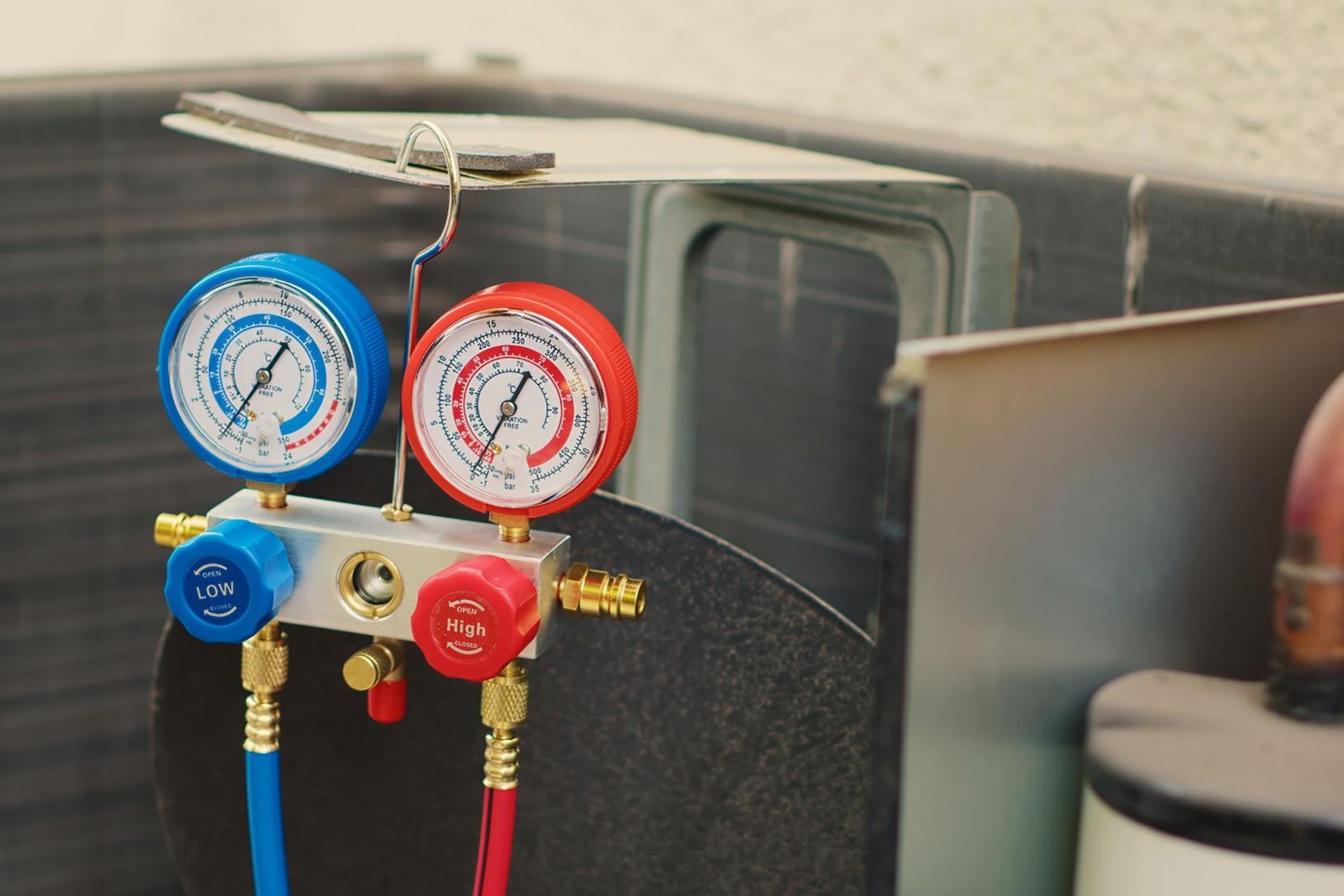
Choosing someone to repair, maintain, or replace your heating and cooling equipment is an important decision for your home. The quality of the work can affect comfort, energy use, equipment performance, and how reliably your system operates for years.
A good HVAC contractor should do more than arrive with tools and recommend new equipment. The company should understand your home, explain the problem clearly, provide appropriate options, and document the work being proposed. Homeowners should feel comfortable asking questions before agreeing to service or installation.
The following ten tips can help you compare HVAC companies and make a more informed choice.
How to Choose a Heating and Air Conditioning Contractor
Start by looking for a company that combines technical knowledge with clear communication. Good contractors should be willing to inspect the property, explain what they find, and explain why they recommend a repair or replacement.
Do not choose someone based only on a quick conversation or a general equipment recommendation. Heating and cooling needs can vary from one house to another. System size, ductwork, insulation, airflow, windows, and existing equipment can all affect the right solution.
The goal is to find a professional who takes enough time to understand those details.
1. Learn a Little About Your Current System
You do not need to become an HVAC technician before making a service call. However, knowing a few details about your existing equipment can make conversations easier.
Look for the brand and model if they are easy to access. Note the equipment's age, when it was last serviced, and whether repairs were completed recently.
Also write down the problems you have noticed. For example, one bedroom may stay warm, the unit may run for long periods, or airflow may feel weak from certain vents. These details can help the technician focus the inspection.
2. Verify Licensing and Insurance
Before hiring a company, check the licensing and insurance requirements that apply in your area.
A professional company should be able to provide appropriate business or contractor information when requested. Insurance is also important because HVAC work may involve electrical components, refrigerant, ladders, heavy equipment, and other risks.
Do not feel uncomfortable asking about credentials. Reliable companies understand that homeowners want to know who is working on an important system in their home.
Industry training and recognized certifications can also provide additional information about a technician's background.
3. Look for Real Experience and a Strong Local Reputation
Experience matters because heating and cooling problems are not always straightforward. Different causes can produce similar symptoms.
For example, a warm room could result from equipment trouble, leaking ductwork, poor airflow, insulation problems, or a blocked vent. Experienced HVAC experts should investigate the cause instead of immediately assuming that equipment needs replacement.
Ask how long the company has served the area and what types of systems its technicians commonly work on. Local experience can also help contractors understand climate-related concerns, such as heavy cooling demand and indoor humidity.
4. Ask People You Trust for Recommendations
Recommendations can provide useful starting points if you don't already have a trusted HVAC company.
Ask friends, relatives, neighbors, or coworkers about companies they have used. Focus on the experience rather than simply asking whether they liked the technician.
Helpful questions include:
- Was the problem explained clearly? A homeowner should understand what was wrong and what work was performed.
- Did the company respect the home? Technicians should work carefully and leave the service area reasonably clean.
- Was communication dependable? Look for feedback about scheduling, follow-up, and whether the company answered questions.
5. Expect a Proper Home Evaluation
This is especially important when replacing an air conditioner, heat pump, or heating system.
A contractor should not simply look at the old unit's capacity and recommend the same size. Homeowners should expect a home evaluation because bigger equipment is not always better.
The evaluation may consider:
- Home size and layout
- Insulation levels
- Windows and sun exposure
- Existing ductwork
- Airflow
- Comfort problems
Proper sizing matters because oversized equipment can cycle too often, while undersized equipment may struggle during high-demand periods.
A careful HVAC contractor should also consider the duct system when appropriate. Leaks, poor insulation, restrictions, and inadequate airflow can reduce even high-quality equipment performance.
6. Ask for a Clear Written Estimate
Written documentation makes it easier to understand what a company is recommending.
For installation or larger repair work, the proposal should clearly describe the equipment or services involved. Depending on the project, it may include model information, efficiency ratings, warranty details, expected work, and other relevant terms.
Avoid comparing companies based only on one number. Look at what each proposal actually includes.
Two estimates may describe very different equipment, warranties, installation procedures, or levels of service. Understanding those differences helps you compare them more accurately.
7. Ask Why a Repair or Replacement Is Recommended
Good HVAC experts should explain their findings in simple language. If a technician recommends replacing an important component, ask what failed and how they reached that conclusion. If full system replacement is suggested, ask why repair is not considered practical.
The explanation should make sense without pressure or fear-based language.
A professional may be able to show you worn components, measurements, damaged parts, or other evidence that supports the recommendation. This gives you useful information for making a decision instead of relying only on a sales statement.
8. Discuss Efficiency Without Focusing Only on Ratings
Efficiency ratings can help you compare equipment, but they don't tell the whole story.
A high-efficiency air conditioner still needs proper sizing, airflow, refrigerant charge, and ductwork to perform as intended. Poor installation can substantially reduce system efficiency.
Ask the contractor how the recommended system fits your actual home.
Questions might include whether the ductwork needs attention, how they will verify airflow, and how they selected the equipment capacity. These details can matter just as much as the efficiency number shown on the product.
9. Understand the Warranty and Installation Documents
Before major work begins, understand what documentation you will receive.
For new equipment, ask about the manufacturer's warranty information and any workmanship coverage the installer provides. Find out whether equipment registration is required and who handles it.
Keep copies of:
- Equipment model and serial numbers
- Installation documents
- Warranty information
- Maintenance records
- Relevant system measurements or calculations
Good records can help with future service and provide useful information if you eventually sell the home.
10. Pay Attention to Communication and Professionalism
Technical ability matters, but so does the way a company works with its customers.
A trustworthy contractor should answer reasonable questions without rushing you. Technicians should explain what they are inspecting and communicate when recommendations change.
Look for a company that values long-term relationships rather than treating every visit as an opportunity to sell new equipment.
Strong HVAC experts also explain how homeowners can care for their systems after service. This might include filter guidance, maintenance recommendations, thermostat use, or signs that deserve attention.
Professional communication before, during, and after the appointment can tell you a great deal about the company you are considering.
Conclusion
Choosing good equipment is only part of a successful HVAC project. Installation greatly affects how that equipment performs. This is why hiring matters. The best system on paper may not deliver the expected results if it is installed incorrectly.
Homeowners should choose a company that looks at the entire system rather than treating the outdoor unit as the only part that matters. Hiring the right heating and cooling professional takes a little research, but that effort can help you make a more confident decision.
At Old School Cooling, we provide AC installation, repair, maintenance, heating, indoor comfort, and related HVAC services for homeowners throughout Palm Beach County and surrounding South Florida communities. Our team believes in clear recommendations, careful workmanship, and taking the time to understand what each property actually needs.
Whether you need routine service or are considering new equipment, we can inspect your system and clearly explain your options. Contact us today to schedule your HVAC service appointment.
Frequently Asked Questions
What Should I Ask Before Hiring an HVAC Company?
Ask about licensing, insurance, experience, warranties, technician training, the inspection process, and how the company determines whether repair or replacement is appropriate.
Should a Contractor Inspect My Home Before Recommending New Equipment?
Yes. Proper equipment selection should consider the home's size, insulation, windows, ductwork, airflow, and other factors. Relying only on square footage or the old unit's capacity can overlook important details.
Why Is HVAC System Sizing Important?
Correct sizing helps equipment maintain comfort and operate as intended. Oversized equipment may cycle too quickly, while undersized equipment may struggle during periods of heavy heating or cooling demand.
Is the Most Efficient HVAC System Always the Best Choice?
Not necessarily. Efficiency is important, but the equipment must also suit the home and be installed correctly. Proper sizing, airflow, refrigerant charge, and duct conditions all affect performance.
Should I Get HVAC Recommendations in Writing?
Yes. Written documentation helps you understand the proposed equipment, scope of work, warranties, and other important project details. It also makes comparing options easier.
Disclaimer: The information on this website and blog is for general informational purposes only and is not professional advice. We make no guarantees of accuracy or completeness. We disclaim all liability for errors, omissions, or reliance on this content. Always consult a qualified professional for specific guidance.
Search Blog
Recent Posts