Is a Heat Pump System Ideal for Your Home? Pros and Cons Explained
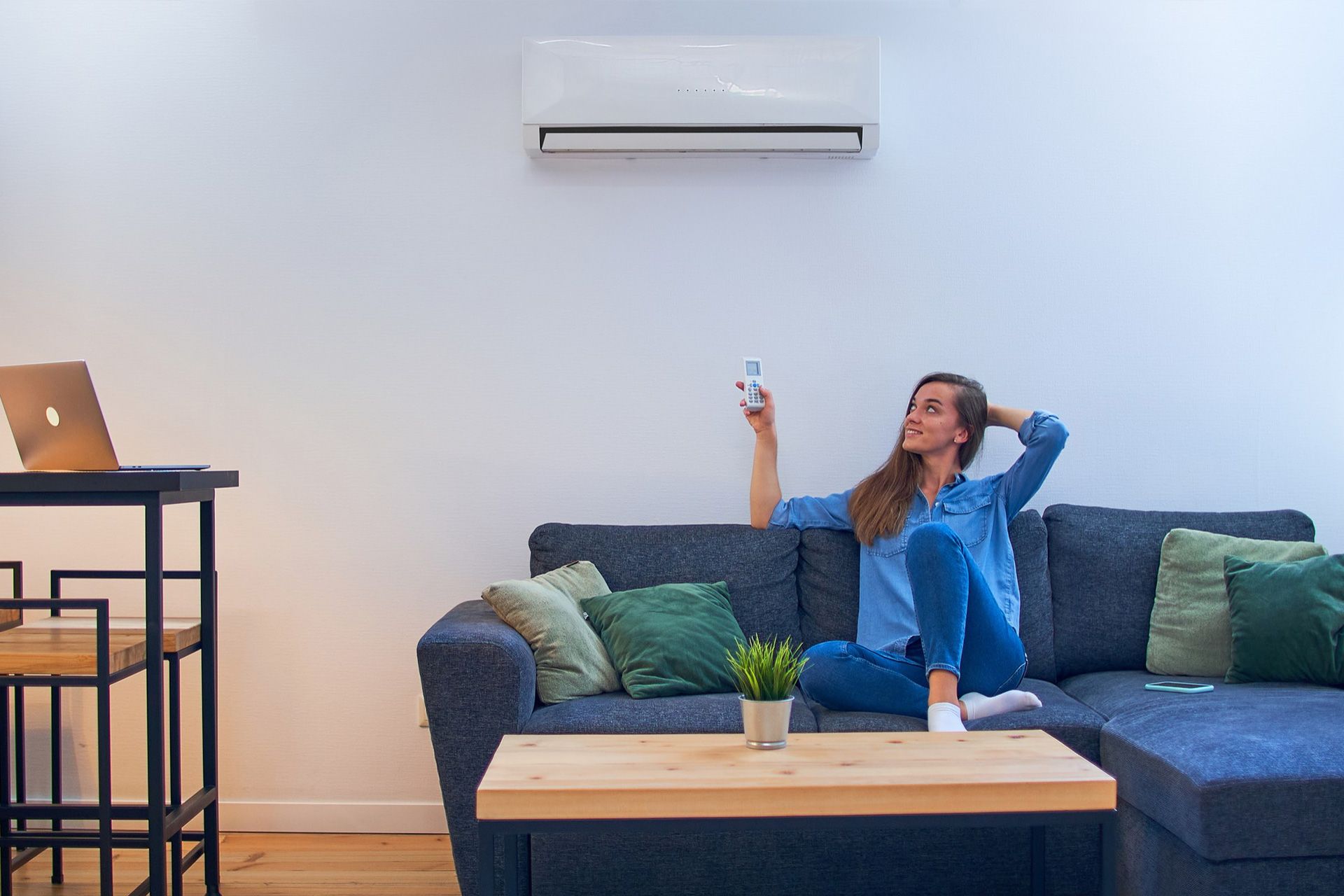
Choosing a new heating and cooling system affects comfort, energy use, and how well your home handles changing weather. A heat pump is worth considering because the same equipment can cool your home during hot months and provide heat when temperatures drop.
That makes heat pumps in Florida practical for many homes. The climate creates far more demand for cooling than for long periods of intense heating, so a system that can reverse operation when warmth is needed can be a good match. Still, the right choice depends on your home's size, ductwork, insulation, electrical setup, and comfort needs.
What a Heat Pump Actually Does
A heat pump does not create heat the same way a furnace does. Instead, it transfers heat from one place to another using refrigerant and a refrigeration cycle.
During cooling mode, the system absorbs heat from inside the house and releases it outdoors. When heating is needed, a reversing valve changes the direction of refrigerant flow. The equipment then collects heat from outdoor air and moves it indoors.
One system can therefore handle both cooling and heating. This can simplify home comfort equipment, especially in areas with mild winters.
Why the Local Climate Matters
Heat pumps generally perform well in warm and moderate climates because outdoor temperatures remain suitable for efficient heat transfer through much of the year. The U.S. Department of Energy includes the state in its evaluation of air-source heat pump performance for the hot, humid Southeast region.
Heating demand is usually less severe than in northern climates, so one system can often handle both seasonal needs.
Equipment selection still matters. A system should be sized to the house's actual cooling and heating needs, not based solely on square footage.
Advantages of Choosing a Heat Pump
Homeowners in Florida consider heat pumps for several reasons when replacing older HVAC equipment.
- Heating and cooling from one system: A heat pump cools during warm weather and reverses operation when heating is needed. This gives homeowners one main system for year-round comfort.
- Efficient heating in a mild climate: Because a heat pump moves heat rather than producing it through electric resistance alone, it can use electricity efficiently during normal heating conditions.
- Humidity control during cooling: Longer cooling cycles can help remove moisture from indoor air. Actual moisture control depends on sizing, airflow, thermostat settings, and the home's condition.
- No on-site fuel burning for standard electric models: An electric air source heat pump does not burn natural gas or oil inside the home to provide heat.
These benefits are valuable, but they should be considered alongside the condition of the home's existing HVAC system.
Possible Drawbacks to Consider
No HVAC system is right for every property. Homeowners should also understand the limits.
- Correct sizing is essential: Oversized equipment may cool too quickly and shut off before removing enough moisture. Undersized equipment may struggle during peak weather.
- The system depends on electricity: A standard heat pump cannot provide normal heating or cooling during a power outage unless the home has suitable backup power.
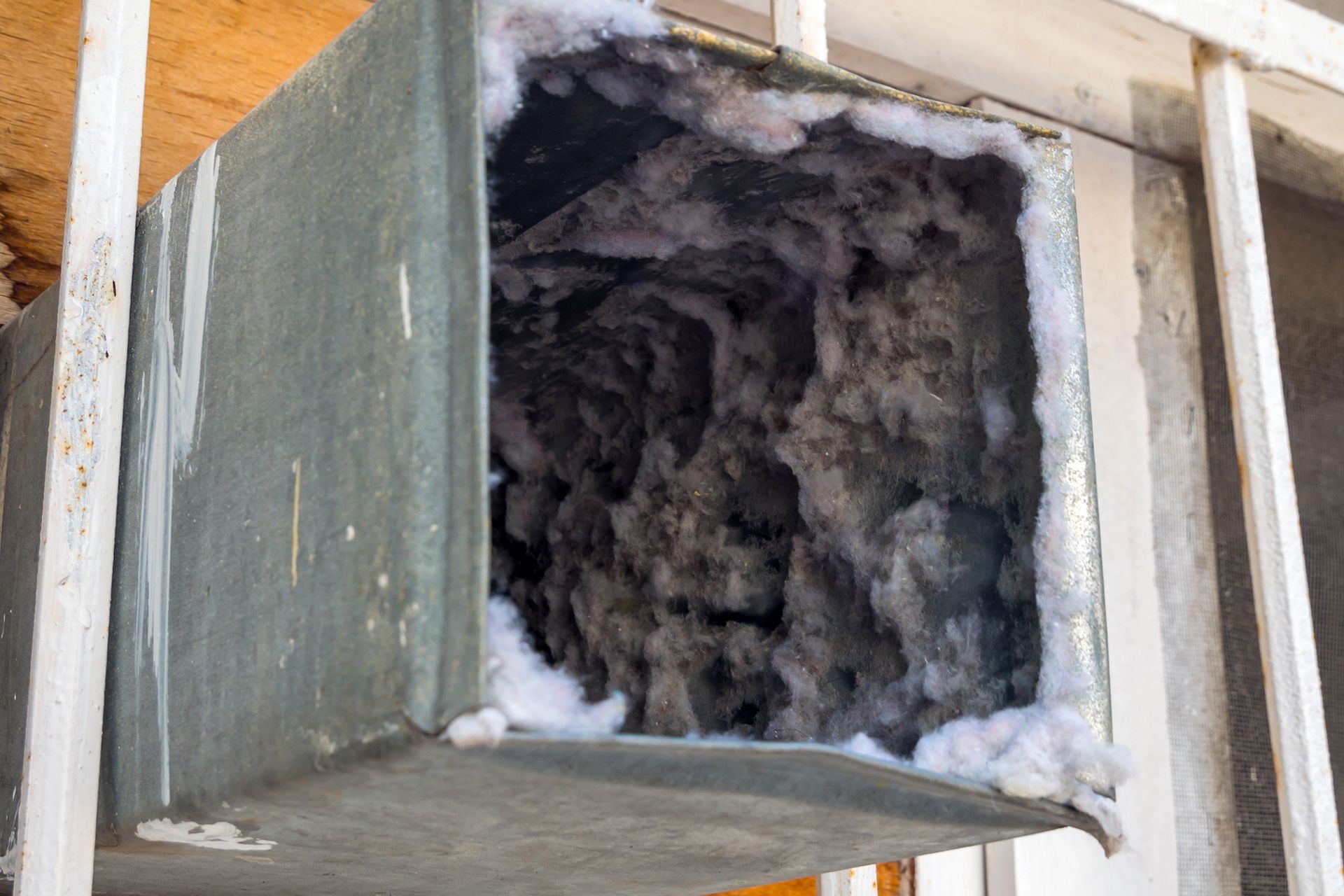
- Existing ducts may need work: Leaky, damaged, poorly insulated, or undersized ducts can reduce comfort even when new equipment performs correctly.
- Some homes need extra planning: Electrical capacity, thermostat compatibility, drain routing, or unusual heating needs may require attention before installation.
Central Heat Pump or Ductless System?
A central air-source heat pump connects to the ductwork and distributes conditioned air throughout the house. It is often a practical replacement when the home already has usable ducts, and the owner wants whole-home comfort.
A ductless mini-split uses an outdoor unit connected to one or more indoor units. It can work well in additions, converted garages, older homes without ducts, or rooms that need separate temperature control.
Neither design is automatically better. Existing construction, room layout, comfort goals, and duct condition should guide the decision.
Humidity Control Deserves Special Attention
Cooling a home is only part of comfort in a warm, humid climate. Removing moisture also matters.
When a heat pump runs in cooling mode, moisture can condense on the evaporator coil and drain away. A properly selected system should have enough runtime to help manage temperature and humidity under normal conditions.
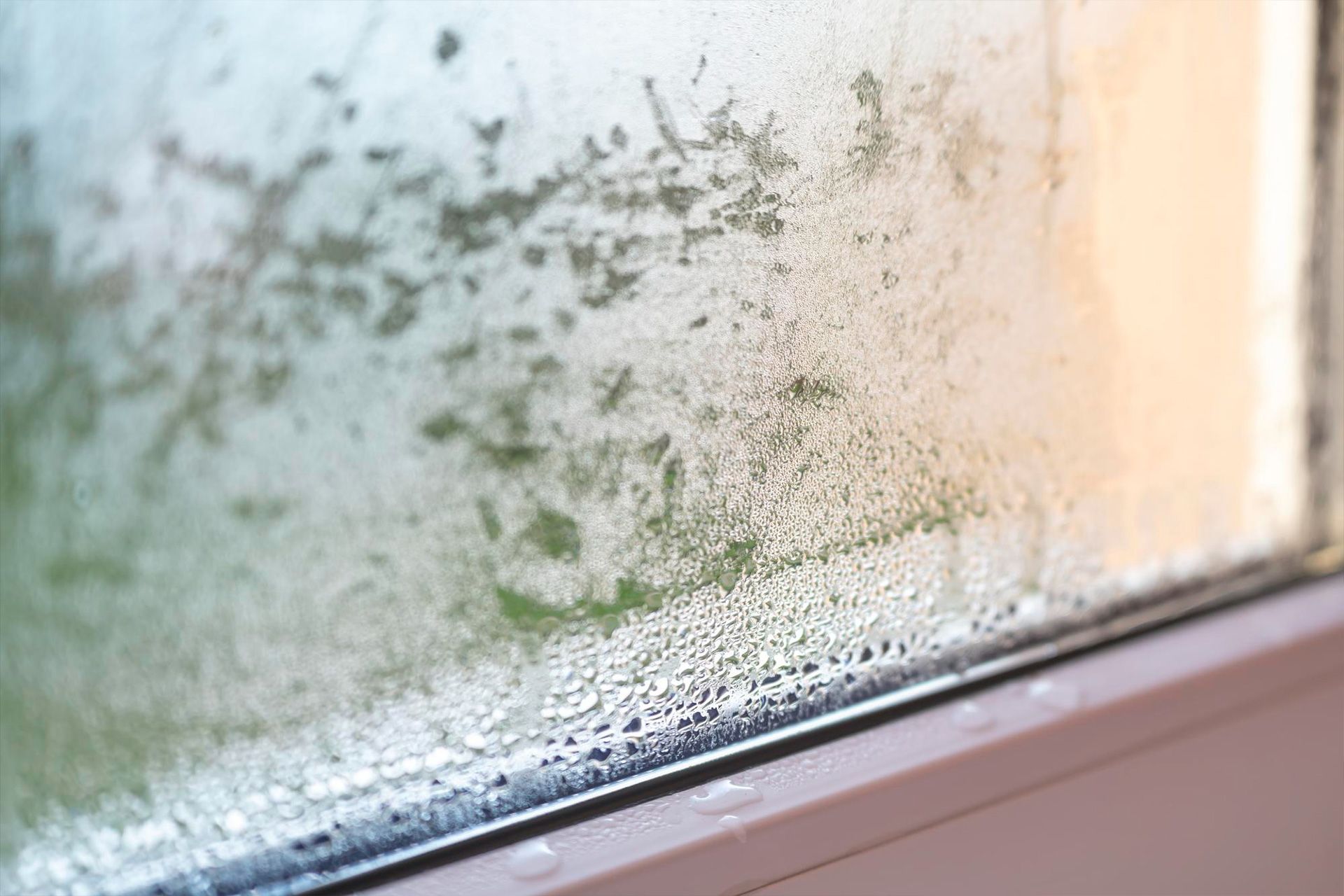
Problems can develop when equipment is oversized, airflow is incorrect, a drain is restricted, or outdoor air leaks indoors. Homeowners may notice sticky rooms, condensation, musty smells, or uneven comfort.
Homes near the coast may also expose outdoor equipment to salt and moisture. Regular inspection can help identify corrosion, blocked coils, or drainage concerns before they interfere with normal operation.
What Should Be Checked Before Installation?
Before planning heat pump installation in Florida, homeowners should have more than the old equipment size reviewed. A contractor should evaluate how the house actually gains and loses heat.
Important factors include:
- Home size and layout: Ceiling height, windows, room arrangement, and sun exposure affect needed capacity.
- Insulation and air leakage: A poorly sealed home may place unnecessary demand on new equipment.
- Duct condition: Inspect existing ducts for leaks, damage, obstructions, and insulation issues.
- Electrical requirements: The electrical panel and circuits must be sufficient to support the selected equipment.
- Drainage and airflow: Condensate must drain properly, and airflow must meet manufacturer requirements.
Understanding Efficiency Ratings
Homeowners comparing systems will often see SEER2 and HSPF2 ratings. SEER2 relates to seasonal cooling efficiency, while HSPF2 describes heating performance.
Higher ratings can indicate greater efficiency under standard test conditions, but ratings are only part of the decision. Installation quality, duct leakage, thermostat use, maintenance, and home construction also affect performance.
Choosing equipment should therefore involve more than comparing rating numbers. The system needs to match the property and the way the household uses heating and cooling.
Maintenance Still Matters
A new heat pump still needs regular care. Filters become dirty, outdoor coils collect debris, drains can clog, and electrical components can wear out.
Homeowners can help by replacing filters as recommended, keeping the outdoor unit clear, leaving vents open, and monitoring for changes in noise or comfort. Professional service can check coils, drains, electrical parts, airflow, and system operation.
Heat pump maintenance is especially important because the same equipment provides both heating and cooling. Addressing minor issues early can also reduce the chance of an unexpected loss of comfort during periods of heavy use.
How to Decide Whether a Heat Pump Is Right for You
Heat pumps in Florida may be worth considering if you want a single electric system for heating and cooling, your home has suitable ductwork or can use a ductless design, and you want efficient heating during mild winter conditions.
Before moving forward with heat pump installation, Florida homeowners should also consider electrical capacity, duct condition, insulation, moisture concerns, and expected use. A qualified contractor can compare these factors and recommend an appropriate equipment type and capacity.
You may be a good candidate for a heat pump if your current HVAC equipment is nearing replacement, you prefer a single system for year-round comfort, or you are updating a room without practical access to existing ductwork.
However, the final decision should come after evaluating the property itself. Two homes of similar size can have very different heating and cooling needs due to differences in windows, insulation, sun exposure, ceiling height, duct conditions, and air leakage.
Conclusion
A heat pump can be a strong fit for many warm-climate homes because it provides both cooling and heating from a single system. Its advantages include efficient heat transfer, flexible comfort, and central or ductless options. The trade-offs include dependence on electricity, the need for correct sizing, and the importance of sound ductwork and installation.
At Old School Cooling, we help homeowners evaluate their existing HVAC equipment, airflow, ductwork condition, comfort concerns, and replacement options. Our team provides heating and cooling installation, repair, maintenance, and tune-up services, with recommendations tailored to each property's needs. We focus on selecting equipment that fits the home rather than using a one-size-fits-all approach.
If you are looking for heat pump installation in Florida, carefully evaluate your comfort needs before selecting equipment. Contact Old School Cooling to schedule an appointment and discuss the right heating and cooling option for your home.
Frequently Asked Questions
Can a Heat Pump Both Cool and Heat My Home?
Yes. An air-source heat pump can move heat from indoors to outdoors for cooling and reverse the process to provide heating when needed. This allows a single system to meet both seasonal needs.
Are Heat Pumps Suitable for Humid Weather?
Yes, when properly selected and installed. During cooling, the system also removes moisture as air passes across the cold evaporator coil. Sizing, airflow, drainage, and runtime all affect humidity control.
Does a Heat Pump Need Ductwork?
Not always. Central systems usually use ducts, while ductless mini-split heat pumps can condition rooms or zones without traditional ductwork. The best choice depends on your home's layout and existing HVAC design.
Will a Heat Pump Work During a Power Outage?
A standard electric heat pump requires electricity. It will not provide normal heating or cooling when utility power is unavailable unless an appropriate backup power source is available.
What Should I Ask Before Choosing a New Heat Pump?
Ask about equipment sizing, efficiency ratings, duct condition, electrical requirements, humidity control, warranty terms, and maintenance needs. A complete home evaluation is more useful than choosing equipment based only on its size or efficiency rating.
Disclaimer: The information on this website and blog is for general informational purposes only and is not professional advice. We make no guarantees of accuracy or completeness. We disclaim all liability for errors, omissions, or reliance on this content. Always consult a qualified professional for specific guidance.
Search Blog
Recent Posts