How Florida Humidity Affects Your Air Conditioning System
Florida homes deal with heat and moisture for much of the year. When outdoor air contains a lot of water vapor, cooling equipment must lower the indoor temperature and remove moisture at the same time.
Florida humidity can make a home feel warmer even when the thermostat shows a comfortable number. It can also lead to longer cooling cycles, damp rooms, and extra strain when the equipment isn't working correctly. Understanding how humidity affects AC performance can help homeowners recognize problems early.
Your AC Does More Than Cool
An air conditioner removes heat as indoor air passes over a cold evaporator coil. At the same time, moisture can condense on that coil and drain away through the condensate system. This moisture removal is a normal part of the cooling process.
That is why indoor humidity and AC performance are closely connected. A properly selected unit should cool the home while removing moisture during normal operation. If it cools the space too quickly, the thermostat may be satisfied before enough moisture has been removed.
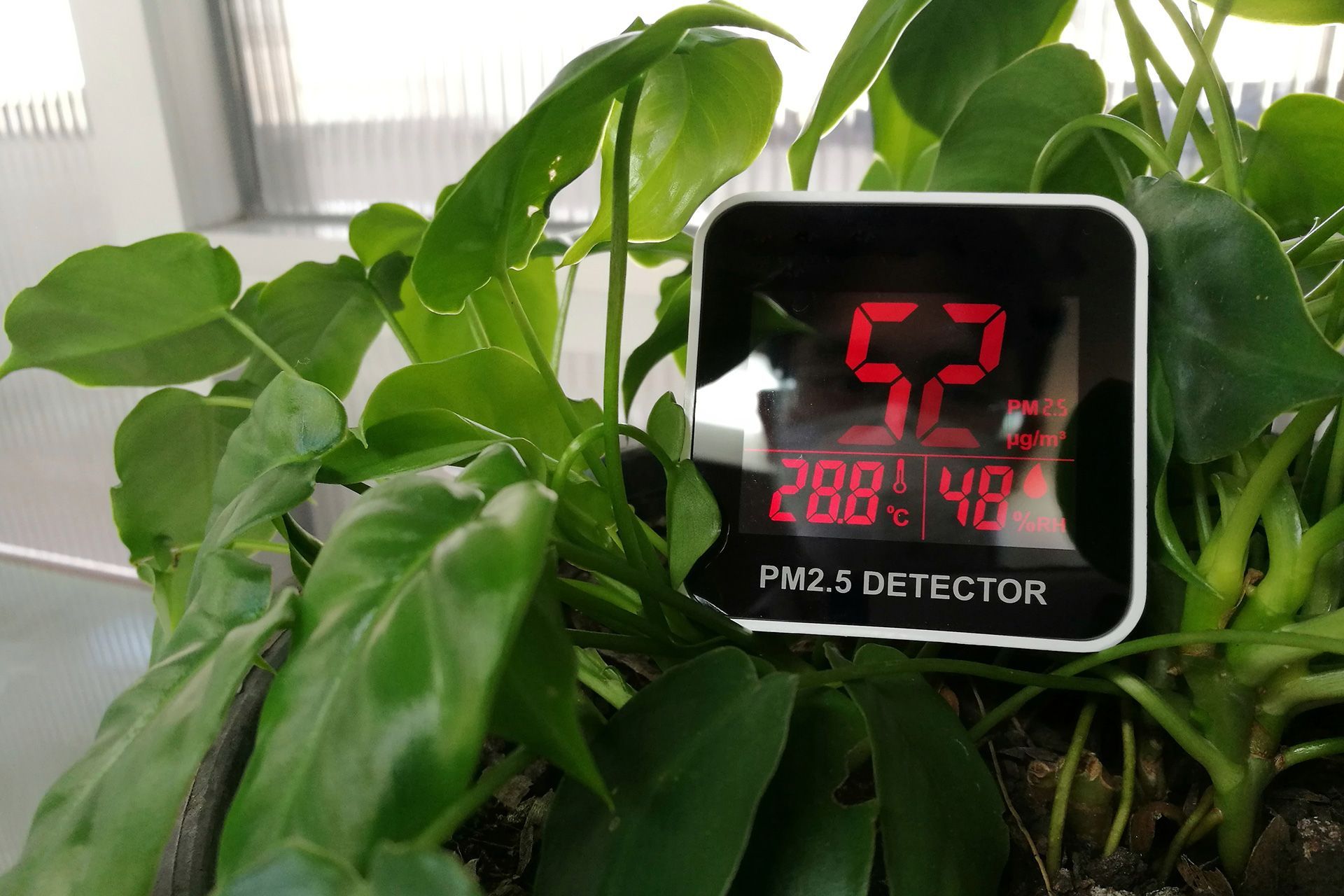
The Environmental Protection Agency recommends keeping indoor relative humidity below 60 percent, ideally between 30 and 50 percent.
Why Florida Homes Face More Moisture
Warm, humid weather lasts for long periods, and the rainy season adds more moisture outdoors. Outside air can also enter through doors, windows, ducts, and other openings.
Cooking, showering, laundry, and drying wet items indoors also add moisture to the air. A home with air leaks, poor ventilation, or an HVAC problem may therefore feel sticky even as the temperature drops.
Signs Humidity Is Affecting Comfort
High indoor moisture often gives homeowners clues before a serious problem appears. Common AC humidity problems include:
- A sticky or clammy feeling: Rooms may feel uncomfortable even when the thermostat reaches the selected temperature. This can mean moisture remains too high.
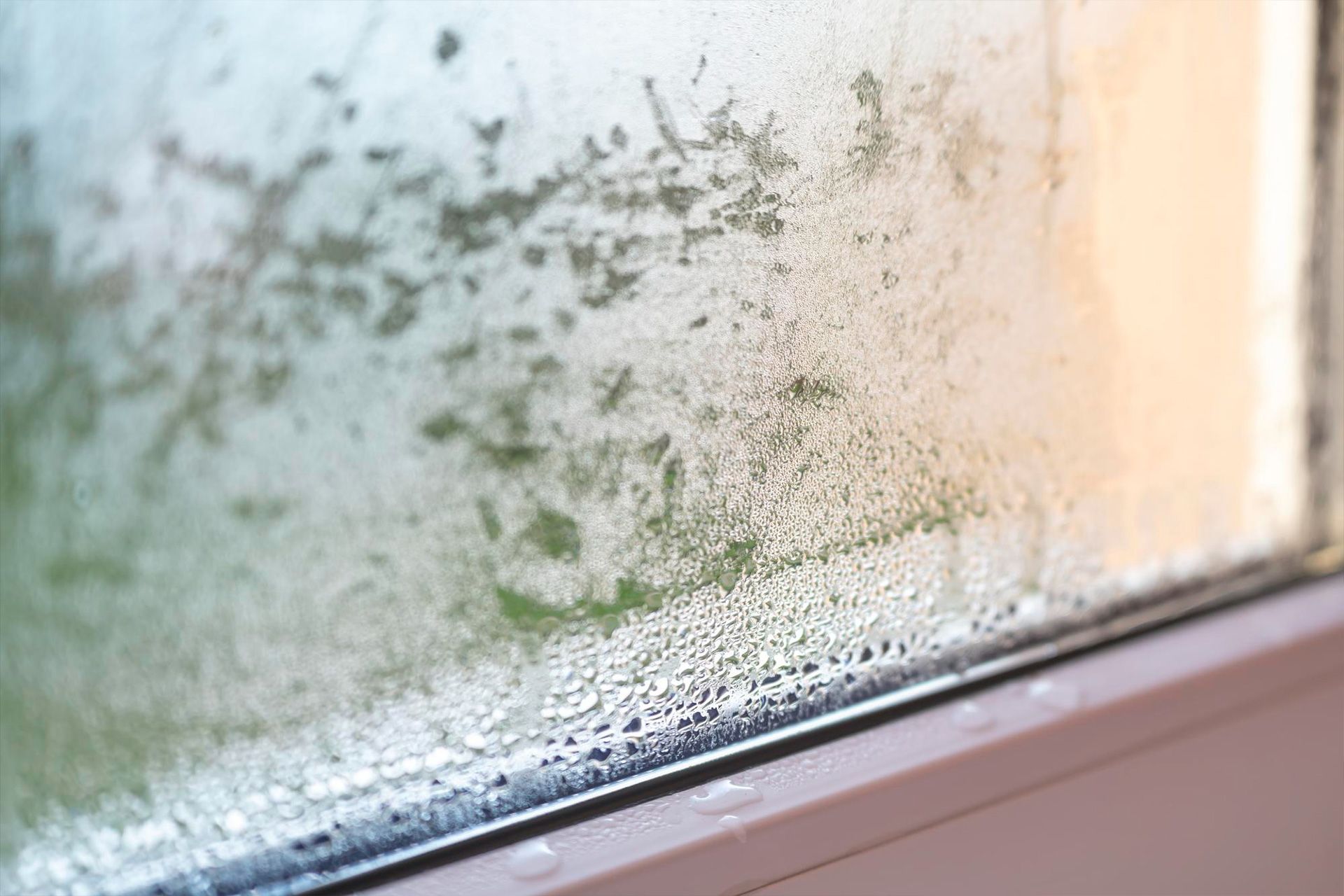
- Condensation on windows or vents: Water on cool surfaces can appear when humid air meets a surface cold enough for condensation. Repeated condensation deserves investigation.
- Musty odors: Damp materials can support mold growth. Don't ignore a musty smell near vents, closets, or cooling equipment.
- Uneven comfort: Some rooms may feel cool but damp while others stay warmer. Airflow issues, duct leakage, or equipment sizing can contribute to the problem.
These signs do not identify the cause on their own. An inspection can help separate humidity, cooling, drainage, and duct problems.
Oversized Equipment Can Work Against Moisture Control
Bigger cooling equipment is not always better. An oversized air conditioning system may lower the temperature quickly and shut off before it runs long enough to remove enough moisture.
The U.S. Department of Energy notes that oversized room air conditioners can cycle too frequently and provide poor humidity removal. Proper sizing matters for central equipment too.
Sizing should consider insulation, windows, sun exposure, ceiling height, and air leakage. An HVAC Contractor should evaluate the home's cooling load rather than rely only on square footage.
How High Humidity Changes HVAC Operation
Knowing how humidity affects AC equipment also means understanding the extra work required to remove water vapor. Under humid conditions, part of the system's capacity is dedicated to moisture removal rather than solely lowering temperature.
You may notice:
- Longer operating periods: The equipment may need more time to reach comfortable temperature and moisture levels.
- More condensate: Water removed from indoor air must flow through the drain pan and condensate line without blockage.
- Greater impact from maintenance issues: Dirty coils, clogged filters, poor airflow, or weak cooling performance can reduce moisture-control effectiveness.
Humid weather alone does not mean the equipment is failing. The concern is when the house stays damp, or the system cycles abnormally.
Drainage Problems Can Create New Trouble
Condensed water normally moves from the evaporator coil into a drain pan and then through a condensate line. If the line clogs or the pan develops a problem, water may collect around the indoor unit.
Standing moisture can damage nearby materials and support mold growth. Some systems also have safety switches that shut the unit off when drain water rises too high.
Inspect water near the air handler. The cause may involve the drain, coil, insulation, or another component, not humid weather alone.
Ductwork Can Bring Humidity Indoors
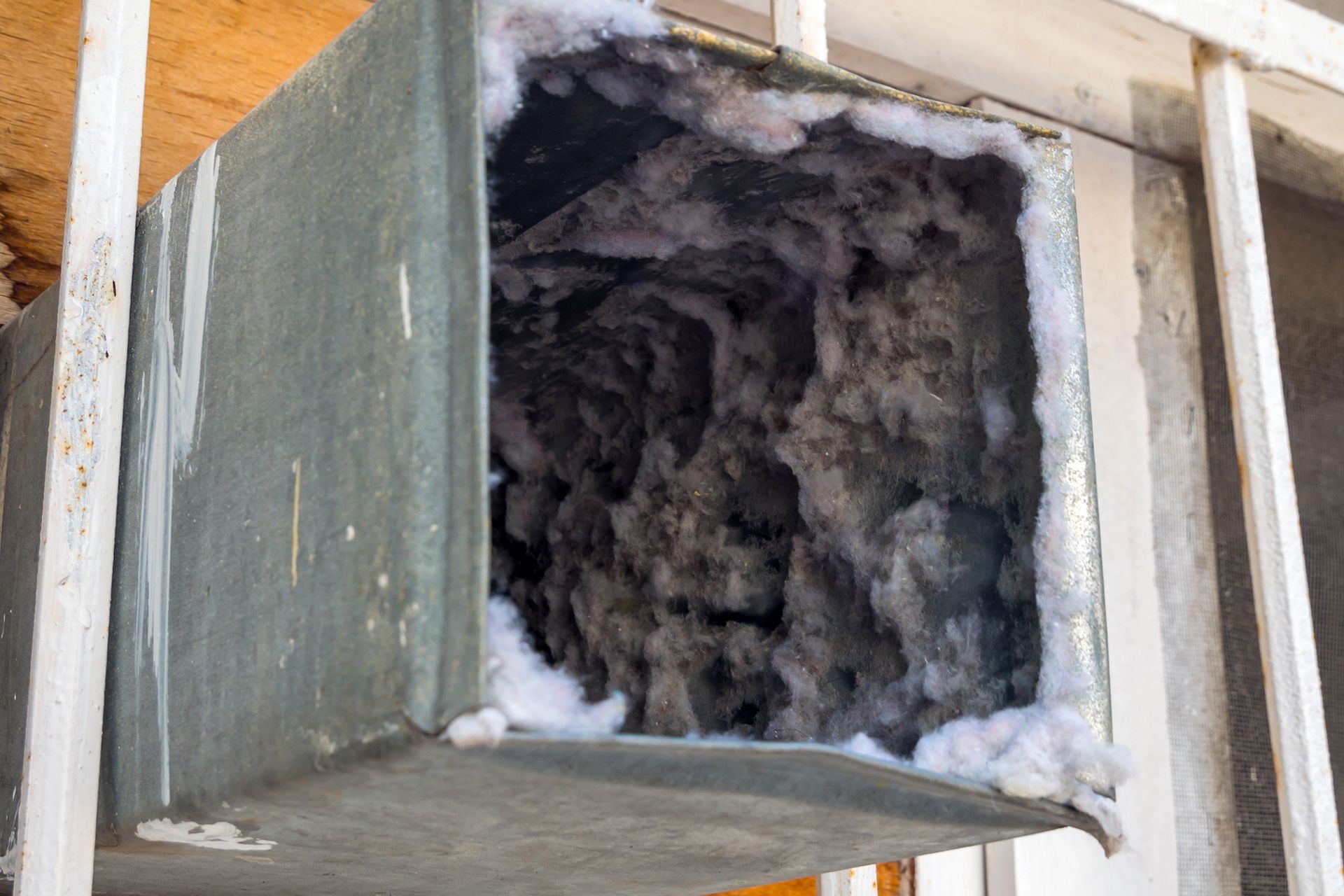
Ducts that pass through hot attics or other unconditioned spaces can affect comfort when they leak or lose insulation. A leaking return may pull warm, humid air into the HVAC system. A supply leak can waste cooled air before it reaches the room.
Condensation can also form on cold duct surfaces when they meet humid surrounding air. Check for wet insulation or repeated sweating, rather than simply wiping it dry.
This is why humidity and air conditioning system concerns sometimes require more than an equipment check. The duct cleaning and the home's air leaks can also matter.
Practical Ways to Reduce Indoor Moisture
Homeowners can take several simple steps to support better moisture control:
- Keep doors and windows closed while cooling. Large amounts of outdoor air increase the moisture the equipment must remove.
- Use bathroom and kitchen exhaust fans correctly. Fans that vent outdoors help remove moisture created by bathing and cooking.
- Replace dirty filters. A heavily loaded filter can restrict airflow and interfere with normal cooling performance.
- Repair water leaks quickly. Roof, plumbing, or window leaks can raise moisture levels independently of the HVAC equipment.
- Schedule regular service. Coil condition, drainage, airflow, refrigerant operation, and thermostat settings all influence cooling and moisture removal.
Some homes may benefit from a dehumidifier based on measured indoor conditions and a professional evaluation.
When Humidity Points to an HVAC Problem
Florida humidity is part of the local climate, but a home should not remain excessively damp when the AC is running.
Consider service if you notice repeated condensation, water near the indoor unit, musty smells, very short or unusually long cooling cycles, or persistently high indoor moisture. These AC humidity problems can have several causes, so accurate diagnosis is important.
A technician may inspect system sizing, airflow, the evaporator coil, condensate drainage, duct leakage, and thermostat operation. Correcting the source is more effective than simply lowering the thermostat.
Conclusion
High moisture can change how a home feels and how much work cooling equipment must perform. The system needs proper airflow, enough operating time, sound drainage, and correctly sized equipment to manage both heat and moisture.
At Old School Cooling, we help homeowners evaluate cooling performance, airflow, drainage, duct conditions, and indoor humidity concerns. Our team provides AC diagnostics, maintenance, repair, airflow evaluations, and dehumidifier solutions based on your home’s cooling and moisture-control needs. We focus on identifying the source of the problem and clearly explaining practical options.
Contact Old School Cooling to schedule an HVAC inspection and keep your home more comfortable through Florida's humid weather.
Frequently Asked Questions
Why does my home feel humid even when the AC is running?
The equipment may lower the temperature without removing enough moisture. Short cycling, sizing problems, airflow issues, duct leakage, or outdoor air infiltration can contribute.
Can lowering the thermostat remove more humidity?
Not necessarily. A lower setting is not a reliable solution for excess moisture. The system and moisture source should be evaluated if the home continues to feel damp.
What indoor humidity level should I aim for?
The EPA recommends keeping indoor relative humidity below 60 percent, ideally between 30 and 50 percent.
Can a dirty air filter contribute to humidity issues?
Yes. A clogged filter can restrict airflow, which may reduce cooling performance and interfere with normal moisture removal.
Does every Florida home need a dehumidifier?
No. Some homes control moisture well with correctly sized and maintained cooling equipment. If moisture levels remain high after other issues are addressed, a professional can determine whether additional dehumidification is warranted.
Disclaimer: The information on this website and blog is for general informational purposes only and is not professional advice. We make no guarantees of accuracy or completeness. We disclaim all liability for errors, omissions, or reliance on this content. Always consult a qualified professional for specific guidance.
Search Blog
Recent Posts