Signs Your Home Has Poor Indoor Air Quality
The air inside your home can affect comfort and how you feel each day. Dust, moisture, smoke, pet dander, cleaning products, and outdoor pollution can collect indoors when ventilation or filtration is weak.
The signs of poor indoor air quality are not always obvious. They may look like seasonal allergies, tiredness, dry eyes, or a stuffy room. A stronger clue is a pattern that improves when you leave and returns after you come back.
This guide explains common warning signs, likely sources, practical checks, and situations that need professional attention.
Why Indoor Problems Develop
Pollutants come from both inside and outside the building. Cooking, candles, tobacco smoke, paint, furniture, pesticides, and strong cleaners can release particles or gases. Pollen and vehicle exhaust may enter through doors, windows, and small gaps. Leaks, high humidity, and poor drainage can also support mold growth.
Ventilation replaces stale indoor air with outdoor air. Filtration captures some particles as air moves through the HVAC system. When either process is weak, contaminants can remain indoors longer.
Physical Symptoms Worth Noticing
The Environmental Protection Agency lists irritation of the eyes, nose, and throat, along with headaches, dizziness, and fatigue, as possible short-term effects of indoor pollutants.
Common indoor air quality symptoms include:
- Irritated eyes, nose, or throat: Dust, smoke, pollen, fragrances, and chemical vapors may cause burning eyes, sneezing, congestion, or a scratchy throat.
- Headaches or unusual tiredness: Stuffy rooms, strong odors, and some gases may contribute to discomfort. Seek medical guidance when symptoms continue.
- Coughing or wheezing: Mold, pet dander, dust mites, and other particles can trigger symptoms in people with asthma or allergies. The CDC notes that mold may cause coughing, wheezing, sore throat, eye irritation, or skin reactions in sensitive people.
Children, older adults, and people with asthma, allergies, or lung conditions may be more sensitive.
An HVAC technician can inspect building-related concerns, but cannot diagnose a health condition. Seek medical care when symptoms are severe or persistent.
Warning Signs You Can See or Smell
Some bad indoor air quality signs develop slowly and can become part of the normal background.
Watch for these changes:
- Musty or chemical odors: A musty smell can suggest hidden moisture. Chemical odors may come from paint, flooring, stored products, or remodeling.
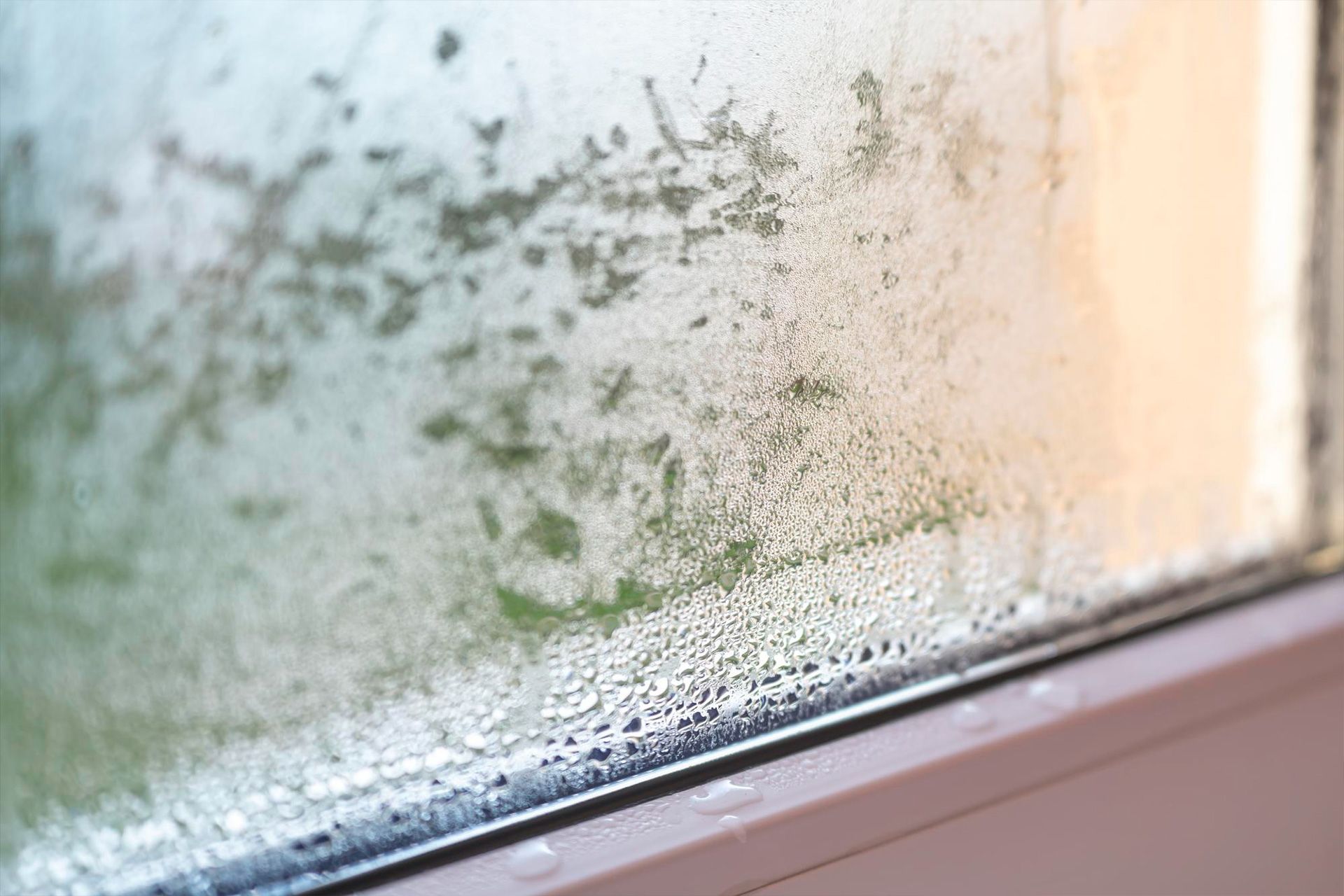
- Condensation or water stains: Moisture on windows, damp walls, ceiling marks, or water near an air handler may point to humidity or drainage problems.
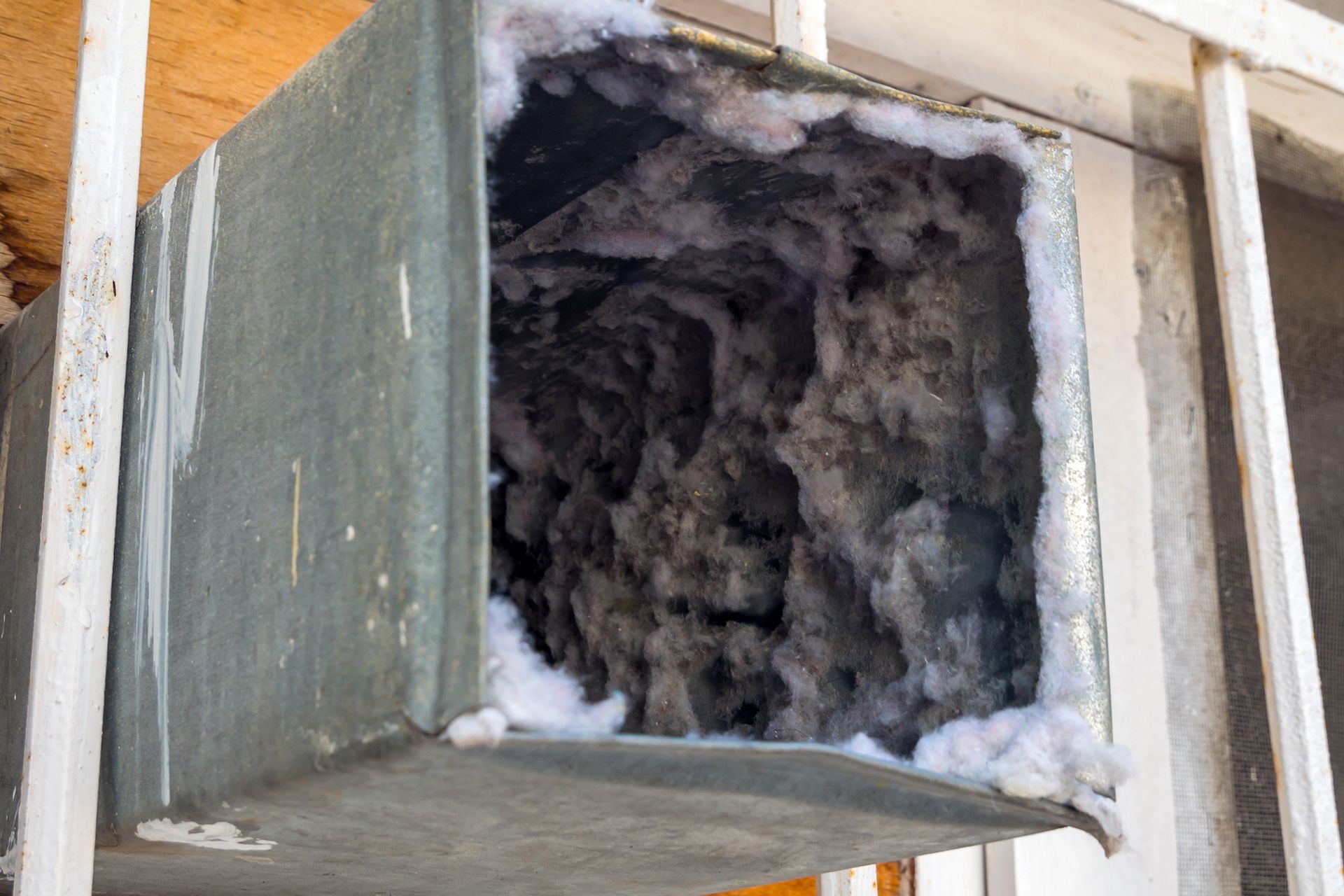
- Fast dust buildup: Heavy dust soon after cleaning may come from a dirty filter, duct leakage, renovation work, or outdoor particles. Dust can carry pollen, pet dander, and mold spores.
- Weak or uneven airflow: A stuffy room may have blocked vents, duct problems, or poor circulation. Reduced airflow can also weaken humidity control.
Other signs of poor indoor air quality include odors that return when the AC starts, lingering cooking smoke, and visible debris around supply vents.
Look for Patterns
Ask whether you feel better after spending several hours away from home. If headaches, eye irritation, or congestion ease elsewhere and return indoors, something in the building may be contributing.
Keep a short record of the room, weather, HVAC activity, cooking, and cleaning products. Symptoms that begin when the AC starts may be due to dust, a dirty filter, or moisture near the cooling equipment.
This approach makes an in-home indoor air quality review more useful by connecting conditions to specific activities.
Sources Homeowners Can Check
Start with simple observations before buying equipment or requesting major work.
Moisture and Mold
Check under sinks, around windows, beside the water heater, and near the indoor HVAC unit. Look for stains, peeling paint, soft materials, or musty smells. Fixing the water source matters more than covering the odor. The EPA identifies moisture control as the primary means of preventing mold growth.
Filters, Vents, and Products
Inspect the HVAC filter and replace it when it is dirty, using a type approved for the system. Make sure furniture, rugs, and curtains do not block vents or return grilles.
Store paints, fuels, pesticides, and strong cleaners away from living areas when possible. Follow product labels and ventilate during painting or cleaning. Use a kitchen exhaust fan that vents outdoors while cooking.
Carbon Monoxide Needs Immediate Action
Carbon monoxide has no color or smell. Fuel-burning furnaces, water heaters, fireplaces, generators, and vehicles can produce it when equipment fails or when exhaust cannot leave safely.
Exposure may cause headache, dizziness, nausea, confusion, weakness, or fainting. High levels can be fatal. If an alarm sounds, or several people suddenly develop these symptoms, leave the building and call emergency services.
Install carbon monoxide alarms according to local rules and the manufacturer’s directions. Never run a generator, grill, or fuel-burning device inside a home, garage, or enclosed space.
Practical Ways to Improve Indoor Conditions
After urgent hazards are ruled out, focus on the source, ventilation, filtration, and moisture.
- Reduce the source. Repair leaks, avoid indoor smoking, limit the use of heavily scented products, and move chemicals away from living areas.
- Improve fresh air movement. Use bathroom and kitchen exhaust fans that vent outdoors. Open windows when the weather and outdoor conditions are suitable.
- Maintain the HVAC system. Check filters regularly and request service when airflow is weak, moisture appears near equipment, or odors come from vents.
These steps may reduce signs of poor indoor air quality, but the right solution depends on the source. A portable cleaner may help with particles in one room, but it cannot repair a leak or remove a gas source.
When Professional Help Makes Sense
Request help when the source remains unclear, several rooms are affected, odors continue, or household members repeatedly experience indoor air quality symptoms. An assessment may also help after water damage or remodeling.
A qualified HVAC technician can inspect filters, coils, drain lines, ducts, airflow, humidity control, and ventilation equipment. The findings may point to maintenance, filtration, dehumidification, duct service, or improved fresh air movement.
A reliable review considers the building, its moisture history, and likely sources.
Conclusion
Recognizing the signs of poor indoor air quality begins with noticing patterns. Physical irritation, headaches, musty smells, excess dust, moisture, and weak airflow can provide useful clues. No single sign proves the cause, but related clues may show that the home needs closer review.
At Old School Cooling, we help homeowners evaluate indoor air quality in home environments through testing, HVAC inspections, high-efficiency filters, duct services, filtration systems, and humidity control solutions. Our team can explain what we find and recommend practical options based on your property.
Contact us to schedule an indoor air assessment and take a useful step toward a cleaner, more comfortable home.
FAQs
Can a Dirty HVAC Filter Affect My Home?
Yes. A loaded filter can restrict airflow and allow more dust to collect in the system or living areas.
Why Does the House Smell Musty When the AC Starts?
Moisture may be present near the coil, drain pan, ductwork, or another damp area. Have the source inspected instead of covering the smell.
Can Opening Windows Fix Unhealthy Indoor Air Quality?
Opening windows may improve ventilation when outdoor conditions are suitable. It cannot address mold, carbon monoxide, water damage, or an active source of pollutants.
How Do I Know Whether My Symptoms Come From the House?
Look for a pattern in which symptoms improve away from home and return indoors. Speak with a healthcare professional because similar symptoms can have many causes.
What Should I Inspect First?
Start with filters, visible moisture, unusual odors, blocked vents, exhaust fans, and carbon monoxide alarms.
Disclaimer: The information on this website and blog is for general informational purposes only and is not professional advice. We make no guarantees of accuracy or completeness. We disclaim all liability for errors, omissions, or reliance on this content. Always consult a qualified professional for specific guidance.
Search Blog
Recent Posts