How Dirty Ductwork Can Impact Comfort and Energy Costs
Your HVAC system uses ducts to deliver cooled or heated air to each room and return indoor air to the equipment. When this network is sealed, clear, and correctly sized, it supports steady temperatures and dependable airflow. Problems can develop when dust, construction debris, pet hair, moisture, or pest material collects inside it.
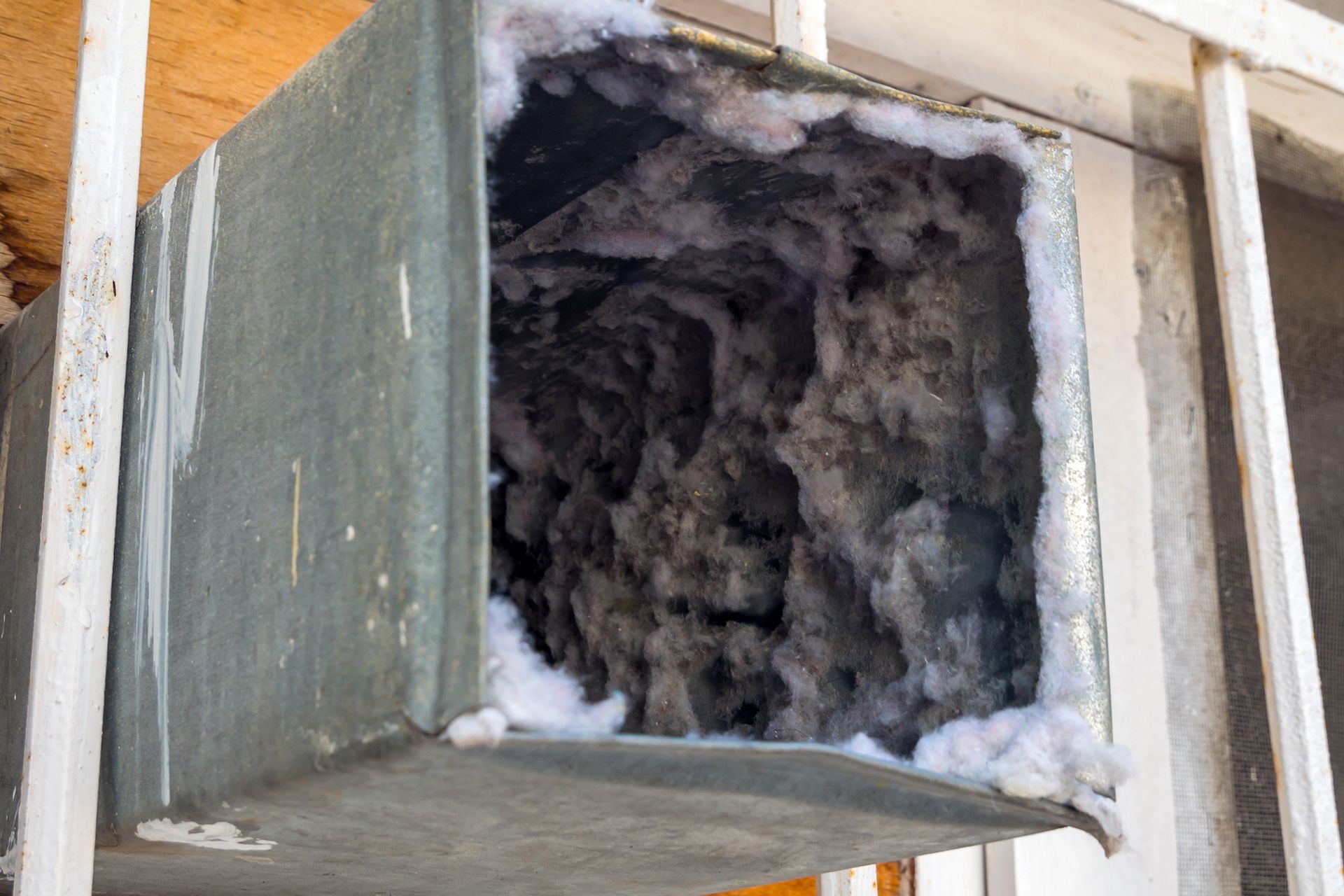
Dirty ductwork does not always require immediate cleaning. A light layer of settled dust is common, and the Environmental Protection Agency does not recommend routine cleaning without a clear need. Heavy buildup, blocked sections, pest activity, visible mold, or debris entering rooms may justify a professional inspection.
Knowing the common dirty air ducts symptoms can help you decide whether the problem involves a filter, the ducts, or another HVAC component.
How Debris Enters the Duct System
Supply ducts carry conditioned air into rooms. Return ducts pull air back to the HVAC system. Dust can enter through return grilles, gaps around filters, poorly sealed joints, renovation work, or damaged sections.
Problems become more likely when material restricts airflow or loose debris blows from vents. Clogged air ducts may make it harder for the blower to move the required amount of air.
Leaks, crushed flexible ducts, disconnected sections, poor insulation, and incorrect sizing can produce similar results. A complete inspection helps identify the real source before work begins.
Comfort Changes That Deserve Attention
Rooms that once felt comfortable may become warmer, cooler, or more humid than nearby areas. These changes are dirty air ducts symptoms, but they do not prove that cleaning is needed.
Watch for these patterns:
- Weak airflow from certain vents: Heavy debris may restrict a branch duct. A closed damper, damaged section, dirty filter, or blower problem can cause the same issue.
- Uneven room temperatures: A bedroom that stays warm may have a leaking, pinched, disconnected, or restricted duct. Window exposure and insulation should also be checked.
- Long cooling cycles: The system may run longer when conditioned air does not reach rooms effectively. The thermostat continues calling for cooling because the home takes more time to reach the set temperature.
These dirty duct symptoms at home often develop gradually. Compare airflow between rooms and note when the problem appears.
The Connection Between Ducts and Energy Use
A clean duct surface alone does not guarantee low energy use. Leaks, missing insulation, damaged sections, and airflow restrictions often have a greater effect.
Dirty ductwork can add to the problem when excessive debris blocks airflow or reaches the coil, fan, or other HVAC parts. Reduced airflow may increase blower strain and make it harder for the equipment to transfer heat.
Possible effects include:
- Longer operating cycles because rooms cool more slowly
- Greater airflow resistance within the system
- Faster filter loading when loose material circulates
- Thermostat changes made to correct uneven comfort
A higher energy bill should not automatically be blamed on dirty air ducts. Weather, thermostat habits, equipment condition, insulation, and refrigerant problems may also affect energy use.
Visible Signs Around Vents and Equipment
Check accessible vents without reaching deep into the duct or disturbing unknown material. Look for:
- Dust or debris blowing from supply vents
- Thick buildup visible inside a register
- Dark marks that return soon after cleaning
- Musty odors during HVAC operation
- Evidence of insects or rodents
- Construction debris left after remodeling
These are practical dirty air ducts symptoms when several occur together. Dark marks can also come from air leakage.
Can Duct Buildup Affect Household Cleanliness?
Dirty air ducts can collect pet dander, fabric fibers, pollen, and renovation particles. Poorly fitted filters and leaky returns may allow more material to enter the system.
Loose dust from vents can settle on nearby furniture. Some residents may notice irritation, although coughing and sneezing have many possible causes. A medical professional should assess ongoing health symptoms.
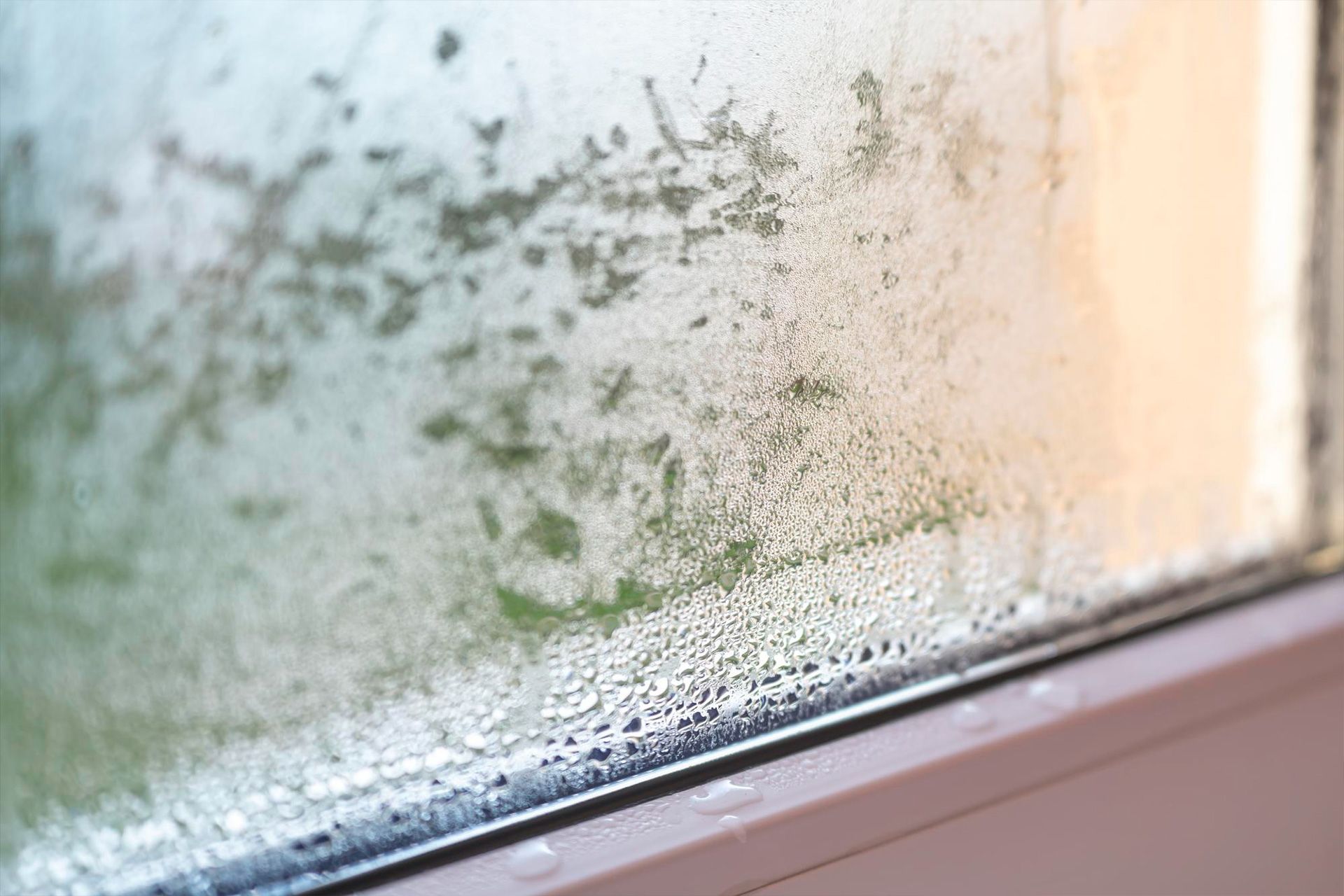
Wet insulation, standing water, or a musty odor may point to drainage or condensation trouble. Duct cleaning will not solve the concern unless the moisture source is corrected.
When Professional Cleaning May Be Appropriate
The EPA advises considering air duct cleaning when there is substantial visible mold inside hard surface ducts or HVAC components, a vermin infestation, or excessive dust and debris that clogs ducts or enters rooms through supply registers.
The service may also make sense after major renovation work if open ducts collected drywall dust or other debris. An inspection should confirm the condition first.
Proper HVAC duct cleaning should address more than visible vent openings. Depending on the findings, work may include ducts, registers, grilles, blower parts, coils, and accessible housings. The technician should explain how the material entered.
What Cleaning Cannot Correct?
Air duct cleaning can remove accessible debris, but it cannot seal leaks, replace damaged insulation, correct poor sizing, or reconnect loose sections.
Cleaning clogged air ducts may improve airflow when heavy buildup is the main cause. It will not restore performance if flexible ductwork has collapsed in an attic. Likewise, HVAC duct cleaning will not stop hot attic air from entering through an unsealed return joint.
A reliable contractor should recommend only services supported by the findings. Be cautious of yearly cleaning claims or promised health cures.
How to Reduce Future Buildup
Homeowners can help protect the duct system with three practical habits:
- Use the correct filter. Choose a filter approved for the equipment, install it in the correct direction, and make sure it fits without large gaps.
- Control dust during projects. Cover supply and return openings during renovation work. Replace the filter before running the system again.
- Correct moisture quickly. Repair leaks and drain problems before damp conditions cause further damage.
Routine HVAC maintenance can also uncover dirty coils, drain issues, and damaged duct connections before they affect comfort.
Choosing a Qualified Provider
Before approving duct cleaning, ask what evidence supports the recommendation. A contractor should show inspection images and explain which parts need service.
Ask how the provider will protect the home, loosen debris, and capture it without spreading material indoors. Quality HVAC duct cleaning focuses on careful source removal and system protection.
Avoid providers who use fear, promise guaranteed energy savings, or recommend chemical treatments without explaining the need.
Conclusion
Dirty ductwork can affect comfort when buildup restricts airflow, loose particles enter rooms, or debris reaches important HVAC parts. Similar problems can also come from leaks, damaged ducts, poor insulation, or equipment faults. An inspection is the best way to identify the actual cause.
At Old School Cooling, we evaluate airflow, duct conditions, filtration, moisture, and overall HVAC performance to find the real source of comfort problems. Our team provides clear recommendations based on your home, not a one-size-fits-all approach. Whether you need duct cleaning, sealing, repairs, filtration upgrades, or routine maintenance, we focus on practical solutions that support cleaner air, steadier temperatures, and efficient system operation.
You receive honest guidance, careful service, and dependable support from experienced professionals you trust. Contact us to schedule a professional duct and HVAC system inspection.
Frequently Asked Questions
How Can I Tell Whether My Ducts Need Attention?
Look for heavy visible buildup, material blowing from vents, recurring dust near registers, musty odors, weak airflow, or pest evidence.
Does Duct Cleaning Always Reduce Energy Costs?
No. It may help when debris restricts airflow or affects components, but leaks, insulation, equipment condition, and thermostat habits also influence energy use.
How Often Should Ducts Be Cleaned?
There is no universal schedule. The EPA recommends cleaning only when there is a clear need rather than automatically every year.
Can I Clean Ducts Myself?
You can clean accessible vent covers and replace filters. Deep cleaning requires equipment that can loosen and capture debris without spreading it through the home.
Should Ducts Be Checked After Remodeling?
Yes, especially if registers were uncovered or construction dust entered the system. An inspection can determine whether professional cleaning is appropriate.
Disclaimer: The information on this website and blog is for general informational purposes only and is not professional advice. We make no guarantees of accuracy or completeness. We disclaim all liability for errors, omissions, or reliance on this content. Always consult a qualified professional for specific guidance.
Search Blog
Recent Posts