What Is An Air Handler Unit for HVAC Systems?
If you’ve ever looked at your HVAC system and wondered how cool air actually moves through your home, the answer often lies in one important component—the air handler. Most homeowners know about the outdoor AC unit, but very few understand the indoor system that helps distribute air evenly throughout the house.
If you are searching for an air conditioner air handler, you are likely trying to understand what it does, why it matters, and how it affects your home’s cooling and heating performance. In simple terms, the air handler is the indoor part of your HVAC system that moves and circulates air.
In this guide, you will learn what an air handler unit is, how it works, its main parts, common problems, and why it is essential for a comfortable home.
What Is an Air Handler?
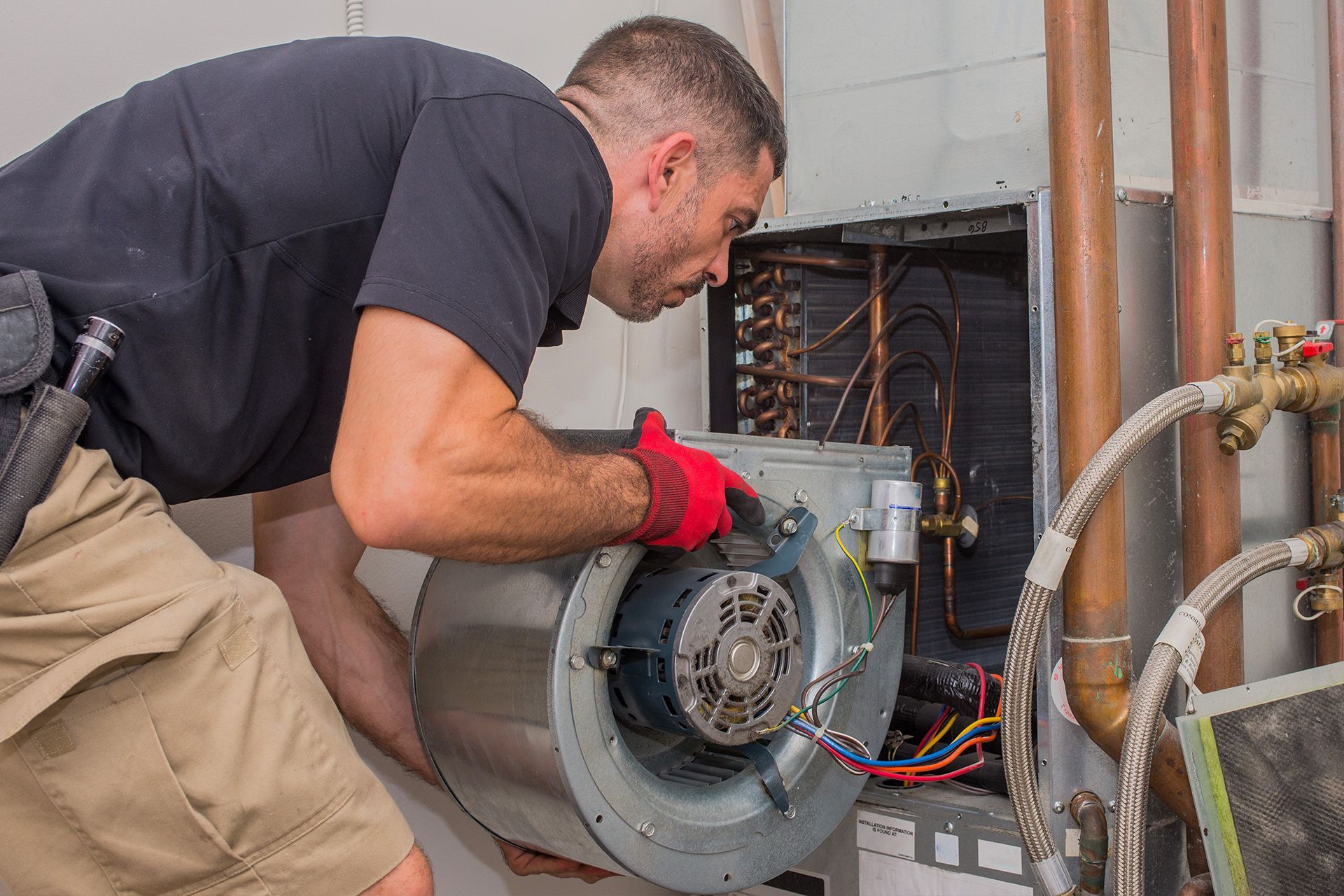
An air handler is a large metal box inside your home that helps circulate air through your HVAC system. It works with your air conditioner or heat pump to move cooled or heated air through ducts and into different rooms.
The air handler of the air conditioner does not cool or heat air by itself. Instead, it pushes air across cooling or heating components and then distributes it evenly throughout your home.
You can think of it as the “lungs” of your HVAC system. It breathes air in, processes it, and pushes it back out.
How an Air Handler Works
The air handler plays a simple but important role in your HVAC system. Here is how it works step by step:
- Air is pulled in from your home through return vents
- The air passes through a filter to remove dust and particles
- The air flows over cooling or heating coils
- The blower fan pushes the conditioned air back into ducts
- The air is distributed into rooms throughout the house
This process repeats continuously to maintain a stable indoor temperature.
Without a properly working air handler, your HVAC system cannot circulate air effectively, even if the outdoor AC unit is working perfectly.
Main Parts of an Air Handler Unit
To understand how it works better, let’s break down its key components.
1. Blower Motor
The blower motor is the heart of the air handler. It powers the fan that moves air through your ducts.
If the blower motor fails, air will not circulate properly, even if cooling is working.
2. Evaporator Coil
This coil works with the outdoor AC unit. It removes heat from the air so it becomes cool before entering your home.
Warm air passes over the coil, and refrigerant absorbs the heat.
3. Air Filter
The air filter removes dust, pollen, and debris before air enters your home.
A dirty filter can reduce airflow and make your system less efficient.
4. Blower Fan
The fan pushes air through the system and into your rooms. It ensures consistent airflow and comfort.
5. Drain Pan and Condensate Line
When moisture forms during cooling, it collects in the drain pan and exits through the condensate line.
If blocked, it can cause water leaks.
6. Housing Cabinet
This is the outer shell that protects all internal components from dust and damage.
Types of Air Handlers
Not all air handlers are the same. There are different types based on system design.
1. Standard Air Handler
Used in most residential HVAC systems. Works with split AC systems.
2. Heat Pump Air Handler
Used in systems that provide both heating and cooling.
3. Variable Speed Air Handler
Adjusts airflow based on demand. More energy-efficient and quieter.
Why the Air Handler Is Important
The air handler plays a major role in your home comfort system. Without it, air cannot move properly.
Here’s why it matters:
- Ensures even air distribution
- Improves indoor comfort
- Helps control humidity
- Supports energy efficiency
- Works with thermostat controls
Even if your outdoor AC unit is strong, a weak air handler will reduce performance.
Common Air Handler Problems
Like any HVAC component, air handlers can develop issues over time.
1. Weak Airflow
Caused by dirty filters or blower motor problems.
2. Strange Noises
Grinding or rattling sounds may indicate loose parts or motor issues.
3. Water Leaks
Blocked drain lines can cause water to overflow.
4. System Not Turning On
Electrical issues or motor failure may be the cause.
5. Uneven Cooling
Air is not distributed properly due to airflow restrictions.
Signs Your Air Handler Needs Repair
Watch for these warning signs:
- Weak airflow in rooms
- Higher energy bills
- Warm air instead of cool air
- Strange smells from vents
- Constant cycling on and off
If you notice these issues, your system may need professional inspection.
Air Handler vs AC Unit (Simple Difference)
Many homeowners confuse the air handler with the outdoor AC unit.
Here is the simple difference:
- AC Unit (Outdoor): Removes heat from refrigerant
- Air Handler (Indoor): Moves cooled air through your home
Both work together as a system.
Maintenance Tips for Air Handlers
Proper maintenance improves performance and lifespan.
1. Change Filters Regularly
Dirty filters block airflow and reduce efficiency.
2. Keep Unit Clean
Dust buildup can damage internal parts.
3. Check Drain Lines
Prevent clogs that cause water leaks.
4. Schedule HVAC Maintenance
Professional inspection helps detect issues early.
5. Listen for Unusual Sounds
Early detection prevents costly repairs.
Benefits of a Well-Working Air Handler
A properly functioning air handler provides the following:
- Better airflow
- Improved energy efficiency
- Consistent indoor temperature
- Cleaner indoor air
- Longer HVAC system life
When to Call a Professional
You should call an HVAC technician if:
- Airflow is weak or uneven
- The system makes unusual noises
- Water is leaking from the unit
- The system is not turning on
- Cooling performance drops suddenly
Professional service ensures safe and accurate repair.
Conclusion
The air conditioner air handler is one of the most important parts of your HVAC system. It moves air, improves comfort, and ensures your home stays cool and balanced. Without it, even the best air conditioning system cannot perform properly.
If you ever face airflow issues, noise problems, or uneven cooling, it may be time to get your system checked.
For expert HVAC installation, maintenance, and repair, Old School Air Conditioning provides reliable and professional services to keep your system running smoothly and your home comfortable all year long.
FAQs
What is an air handler in HVAC?
It is the indoor unit that circulates air through your home’s duct system.
Does an air handler cool air?
No, it works with the AC system to distribute cooled air.
Where is the air handler located?
Usually inside the home, in an attic, closet, or basement.
What happens if the air handler stops working?
Air will not circulate properly, and comfort levels will drop.
How long does an air handler last?
Typically 10–15 years with proper maintenance.
Is the air handler the same as the furnace?
No, but they can be part of the same system depending on setup.
How can I improve air handler performance?
Regular filter changes and maintenance help improve efficiency.
Disclaimer: The information on this website and blog is for general informational purposes only and is not professional advice. We make no guarantees of accuracy or completeness. We disclaim all liability for errors, omissions, or reliance on this content. Always consult a qualified professional for specific guidance.
Search Blog
Recent Posts