Top Reasons for Your Outside AC Unit Not Turning On
In South Florida, a functioning air conditioner isn’t just a luxury, it’s a necessity. When temperatures rise across Broward County, Palm Beach County, Martin County, and St. Lucie County, homeowners rely heavily on their AC systems to stay comfortable. So when you notice your outdoor AC unit not turning on, it can quickly become a stressful situation.
Sometimes the issue is simple and easy to fix, while other times it may require professional HVAC service. If your outside AC unit is not turning on, understanding the possible causes can help you troubleshoot the problem and decide what steps to take next.
In this guide, we’ll explain the most common reasons for an air conditioner not turning on, what you can check yourself, and when it’s best to call an expert.
How the Outdoor AC Unit Works
A typical central air conditioning system has two main components:
- Indoor Unit (Air Handler):
Circulates cool air throughout your home.
- Outdoor Unit (Condenser):
Releases heat absorbed from inside your house.
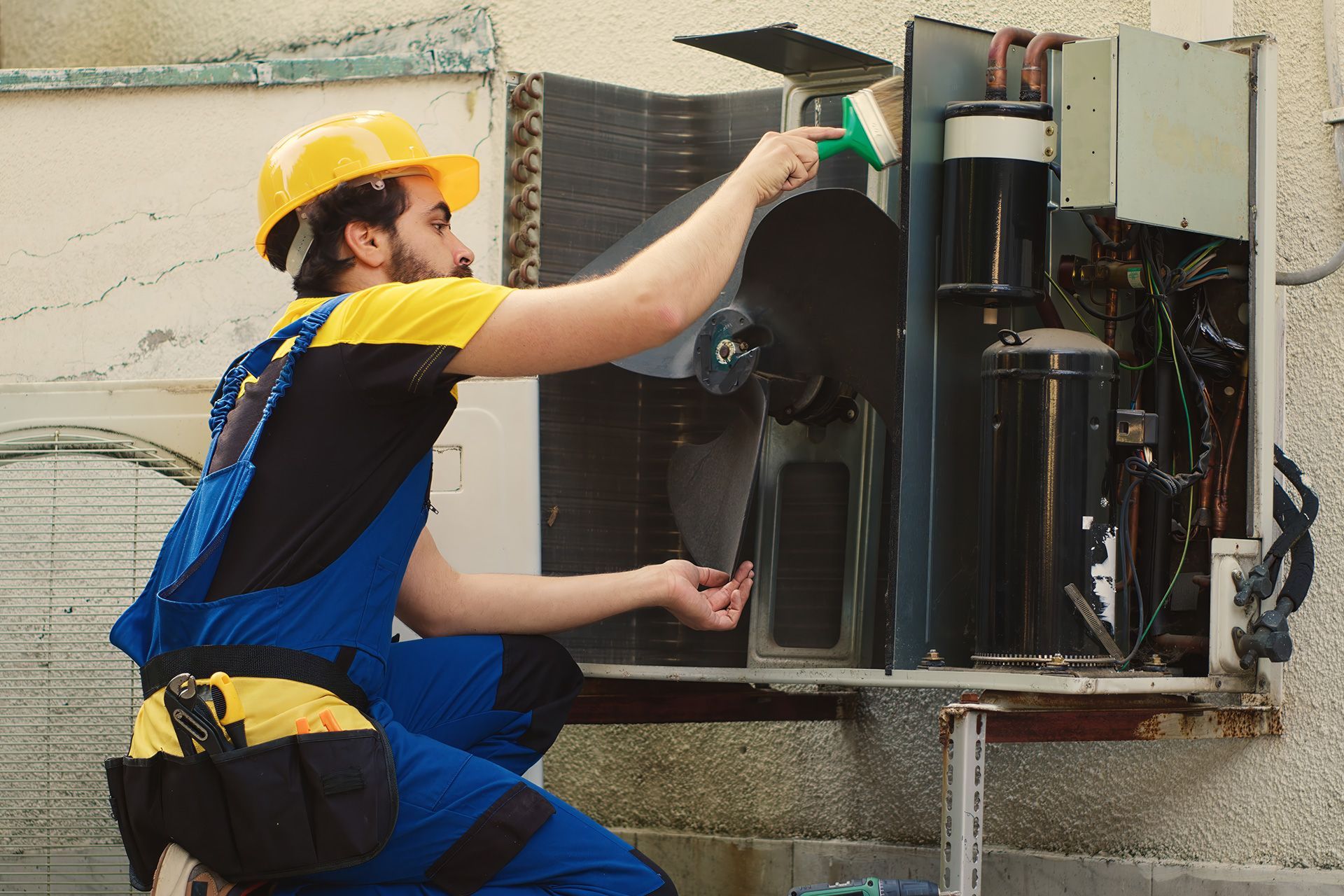
The outdoor unit contains the compressor, condenser coil, fan, and several electrical components that allow the system to function properly.
If your outdoor AC unit is not turning on, the system cannot remove heat from your home. Even if the indoor fan is running, the air coming from your vents will not be properly cooled.
1. Tripped Circuit Breaker
One of the most common reasons for an outside AC unit not turning on is a tripped circuit breaker.
Air conditioning systems require a large amount of electricity, especially when they start up. If the system experiences an electrical surge or overload, the breaker may trip to protect the system.
What to Check
Locate your home’s electrical panel and look for a breaker labeled AC, HVAC, or Air Conditioner.
What to Do
If the breaker is in the middle position, it has tripped. Switch it completely OFF, then turn it back ON.
If the breaker trips again shortly after resetting, it may indicate a deeper electrical issue that needs professional repair.
2. Thermostat Issues
Another common reason for an air conditioner not turning on is a problem with the thermostat.
The thermostat sends the signal that tells your AC system when to start cooling. If it is not working correctly, the outdoor unit may never receive the signal to turn on.
Common Thermostat Problems
- Thermostat set to
HEAT instead of COOL
- Temperature set too high
- Dead batteries
- Wiring issues
- Malfunctioning thermostat
Sometimes simply replacing the batteries or adjusting the settings can solve the problem.
3. Outdoor Disconnect Switch Turned Off
Most outdoor AC units have a disconnect switch mounted on the wall nearby. This switch allows technicians to safely shut off power when servicing the system.
Occasionally, the switch may be accidentally turned off during maintenance, yard work, or cleaning.
What to Do
Check the small electrical box located near the outdoor condenser. Make sure the switch or pull-out disconnect is in the ON position.
If it is off, restoring power may immediately allow the system to start.
4. Failed Capacitor
A capacitor is an electrical component that stores energy and provides the power needed to start the compressor and fan motor.
If the capacitor fails, your outside AC unit is not turning on because the system cannot start properly.
Signs of a Bad Capacitor
- Clicking sound when the system tries to start
- Humming noise from the outdoor unit
- Fan not spinning
- Visible bulging or leaking capacitor
Capacitors hold electrical charge even when power is turned off, so replacement should always be handled by a trained HVAC technician.
5. Faulty Contactor
The contactor is an electrical switch that allows power to flow to the compressor and fan motor when your thermostat calls for cooling.
When the thermostat sends the signal, the contactor closes the circuit and activates the outdoor condenser. If the contactor fails, the system will not start.
Symptoms of a Bad Contactor
- Clicking sound but no startup
- Outdoor unit completely silent
- Visible wear or burning on the contacts
This is a common AC repair and usually requires replacement of the contactor.
6. Debris Around the Outdoor Unit
In Florida, outdoor AC units are exposed to leaves, dirt, grass clippings, and other debris. If airflow becomes blocked, the system may shut down or struggle to start.
Common Blockages
- Leaves and branches
- Grass clippings
- Dirt and dust buildup
- Overgrown bushes or plants
For proper airflow, keep at least two to three feet of clear space around the outdoor condenser.
Regularly cleaning the area around the unit helps prevent cooling problems and keeps the system running efficiently.
7. Broken Fan Motor
The fan inside the outdoor condenser helps release heat from the refrigerant. If the fan motor fails, the unit may not start or may shut down shortly after starting.
Signs of Fan Motor Problems
- Fan blades not spinning
- Loud buzzing or grinding noises
- AC turning on and off frequently
- Weak airflow from the outdoor unit
A damaged fan motor usually requires professional replacement.
8. Refrigerant Issues
Low refrigerant levels can cause the system to stop working properly. Modern air conditioners include safety switches that shut the system down if refrigerant levels become too low.
When this happens, you may notice your outdoor AC unit not turning on or cooling effectively.
Warning Signs
- Warm air coming from vents
- Ice forming on refrigerant lines
- Hissing or bubbling noises
Refrigerant problems should always be handled by licensed HVAC professionals.
9. Failing Compressor
The compressor is the main component responsible for circulating refrigerant through the AC system. If the compressor fails, the air conditioner is not turning on or cooling properly.
Compressor issues are more common in older systems or systems that have not received regular maintenance.
Because the compressor is one of the most expensive components in an AC system, repairs or replacement can be costly.
When to Call an HVAC Professional
While some issues, like thermostat settings or circuit breakers, can be fixed easily, many causes of an outside AC unit not turning on require professional repair.
You should contact an HVAC technician if:
- The breaker continues to trip
- The outdoor fan does not spin
- Electrical components appear damaged
- Refrigerant leaks are suspected
- The compressor fails
Professional technicians have the tools and training needed to diagnose and repair AC systems safely.
Preventing AC Problems in South Florida
Routine maintenance is one of the best ways to prevent your outside AC unit from turning on unexpectedly.
Homeowners in Broward County, Palm Beach County, Martin County, and St. Lucie County should schedule annual AC maintenance before the peak summer season.
Maintenance typically includes:
- Cleaning condenser coils
- Checking refrigerant levels
- Inspecting electrical components
- Testing thermostat function
- Removing debris from around the unit
Regular servicing helps improve efficiency, extend system lifespan, and reduce unexpected breakdowns.
Conclusion
If your outdoor AC unit is not turning on, the issue could be something simple like a thermostat setting or a tripped breaker. However, it could also involve electrical components, refrigerant problems, or mechanical failures.
The most common causes include:
- Tripped circuit breaker
- Thermostat problems
- Faulty capacitor
- Damaged contactor
- Debris blocking the unit
- Broken fan motor
- Refrigerant issues
- Compressor failure
Identifying the problem early can help you avoid expensive repairs and restore comfort to your home quickly.
If your outside AC unit is not turning on, contact Old School Cooling today for fast and reliable AC repair in Broward, Palm Beach, Martin, and St. Lucie Counties.
FAQs
Why is my outdoor AC unit not turning on but the indoor unit is running?
This usually indicates a problem with the outdoor condenser, such as a tripped breaker, faulty capacitor, or contactor issue.
Can I reset my AC unit myself?
Yes. Turn off the system at the thermostat and breaker for several minutes before turning it back on. If the problem continues, professional service may be required.
What should I do if my outside AC unit is not running?
Start by checking the thermostat settings, circuit breaker, and outdoor disconnect switch. If the unit still does not start, contact an HVAC technician.
How often should I service my AC system?
Most HVAC experts recommend scheduling professional maintenance at least once a year to ensure your system runs efficiently and reliably.
Disclaimer: The information on this website and blog is for general informational purposes only and is not professional advice. We make no guarantees of accuracy or completeness. We disclaim all liability for errors, omissions, or reliance on this content. Always consult a qualified professional for specific guidance.
Search Blog
Recent Posts