Forced Air Heating: Pros, Cons, and Everything You Should Know
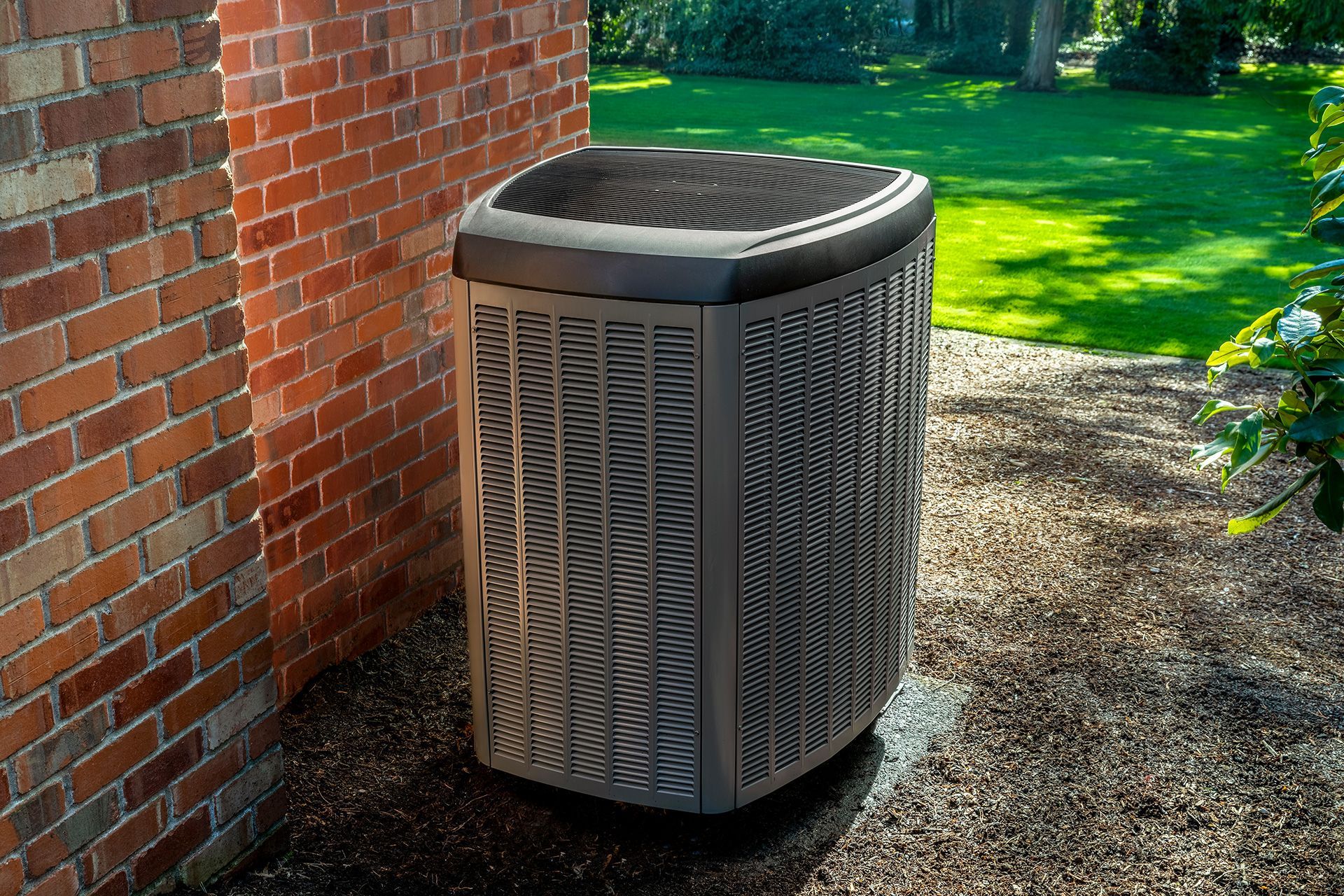
When it comes to home comfort in Palm Beach County, Florida, heating may not be top of mind year-round, but when cooler winter nights arrive, you want a system that works quickly and efficiently. One of the most common options in residential HVAC is forced air heating. If you’ve ever wondered what is forced air heating or whether a forced air heating system is right for your home, this comprehensive guide will walk you through everything you need to know.
From how it works to the advantages and potential drawbacks, here’s a detailed look at forced air systems, tailored specifically for South Florida homeowners.
What Is Forced Air Heating?
So, what is forced air heating exactly?
Forced air heating is a system that warms air at a central location and then pushes (or “forces”) that heated air through a network of ducts into different rooms throughout your home. The air is distributed through supply vents and returns back to the system through return ducts, where it is reheated and recirculated.
A typical forced air heating system includes:
- A furnace or heat pump (the heat source)
- A blower fan
- Ductwork
- Supply and return vents
- A thermostat for temperature control
The thermostat detects when indoor temperatures drop below your set level. Once activated, the system heats the air and uses a blower to distribute it quickly and efficiently throughout your home.
In Palm Beach County, most forced air systems are part of a combined heating and cooling setup, meaning the same ductwork used for air conditioning also distributes warm air during the winter months.
How Does a Forced Air Heating System Work?
Understanding how a forced air heating system operates helps homeowners maintain it properly and maximize efficiency.
Here’s a step-by-step breakdown:
- Temperature Drop Detected
The thermostat senses the indoor temperature has fallen below your desired setting. - Heat Production Begins
The furnace (powered by gas, propane, oil, or electricity) or heat pump generates warm air. - Air Is Forced Through Ducts
A blower fan pushes the heated air into the duct system. - Warm Air Enters Living Spaces
Heated air exits through vents in various rooms. - Air Returns to Be Reheated
Cooler air is drawn back into the system through return vents, and the cycle continues.
This process allows forced air systems to heat homes quickly, which is especially beneficial on those occasional chilly Florida mornings.
Pros of Forced Air Heating
Forced air heating remains popular for several good reasons. Let’s explore the advantages.
1. Fast Heating Performance
One of the biggest benefits of forced air is speed. Once the system turns on, warm air circulates quickly, raising indoor temperatures faster than many other heating methods.
For Palm Beach County homeowners who only need heating occasionally, this quick response time is ideal.
2. Dual Heating and Cooling Capability
In Florida, most homes already have central air conditioning. Because forced air uses ductwork, the same system can handle both heating and cooling. This makes installation simpler and more cost-effective compared to adding a separate heating system.
3. Energy Efficiency Options
Modern high-efficiency furnaces and heat pumps can significantly reduce energy usage. When properly maintained, a forced air heating system can operate efficiently and keep utility costs manageable, even during unexpected cold snaps.
4. Improved Indoor Air Quality
Forced air systems use filters to trap dust, pollen, and airborne particles. With regular filter changes and proper maintenance, this can help improve indoor air quality, a major benefit in South Florida where allergens and humidity are common concerns.
You can also upgrade to high-efficiency air filters or add air purification systems for even better air quality control.
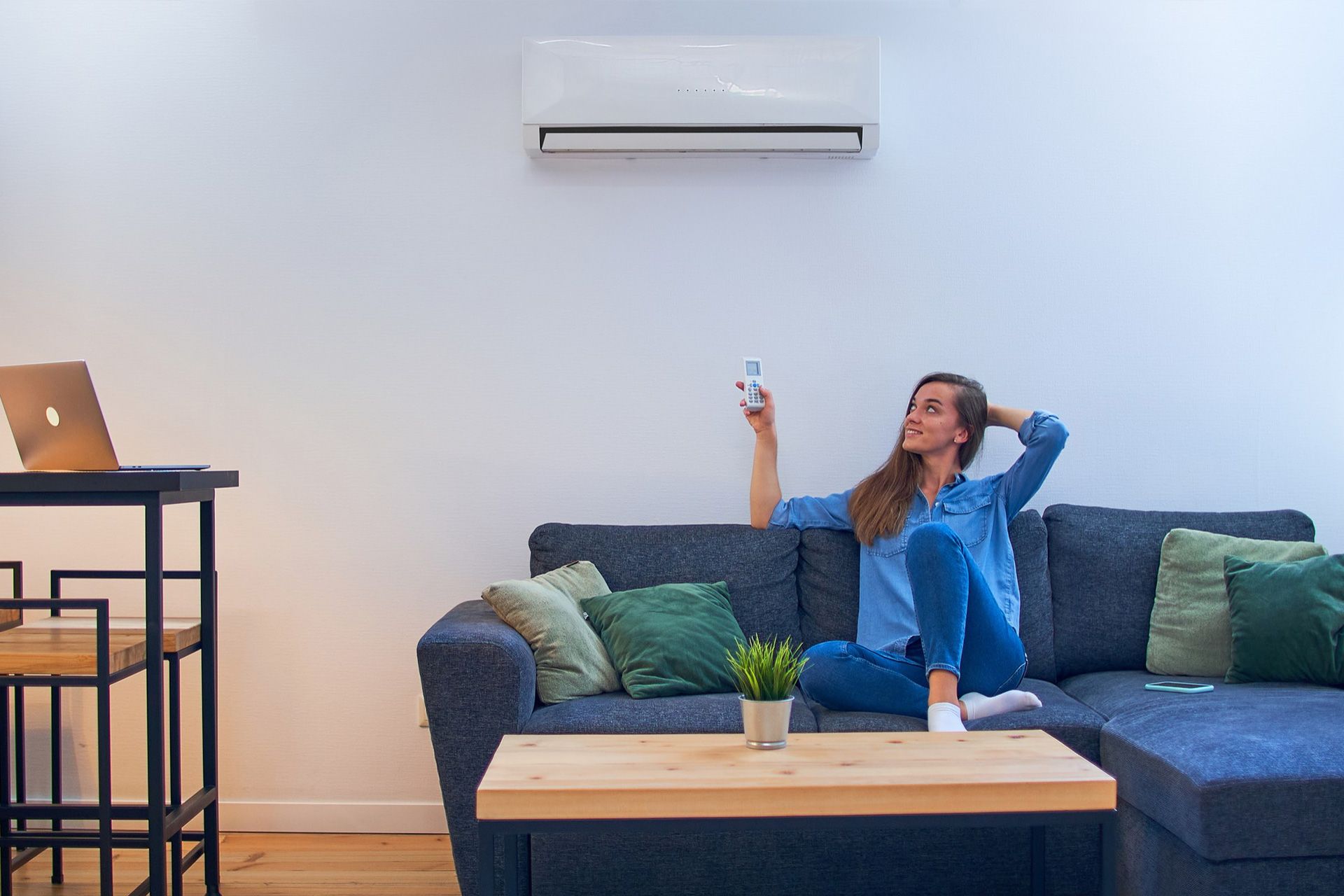
5. Smart Thermostat Compatibility
Most forced air systems integrate easily with smart thermostats. This allows you to:
- Set schedules
- Adjust temperatures remotely
- Improve energy efficiency
- Monitor usage
This level of control is especially helpful for seasonal residents in Palm Beach County who may travel frequently.
6. Widely Available Service and Parts
Because forced air systems are so common, HVAC professionals are highly experienced in servicing them. Replacement parts are generally easy to find, which can reduce repair wait times.
Cons of Forced Air Heating
While forced air systems offer many benefits, there are some drawbacks homeowners should consider.
1. Regular Maintenance Is Required
Air filters must be replaced every 1–3 months depending on usage. Failing to change filters can reduce efficiency, increase energy costs, and strain the system.
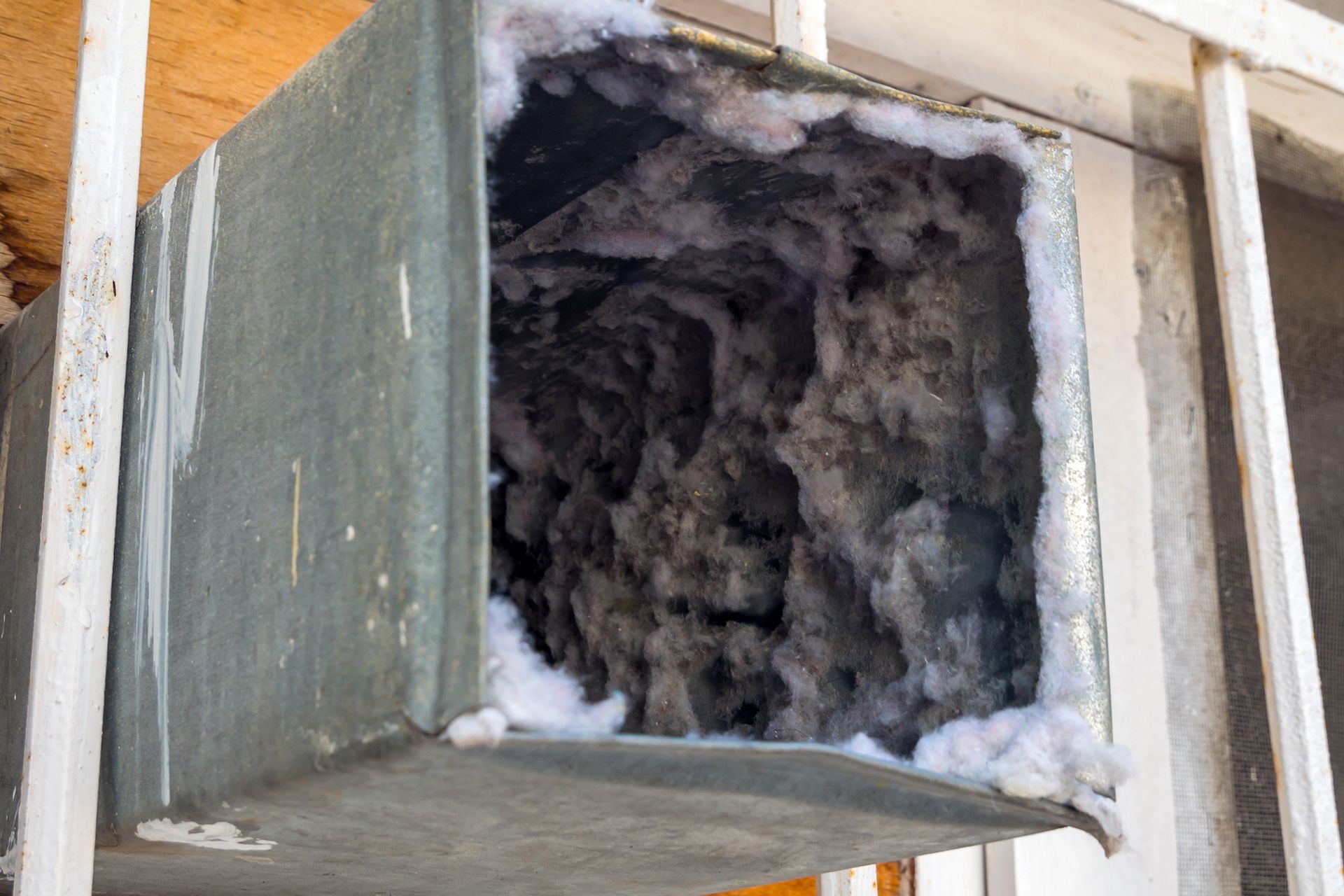
Additionally, ductwork may require periodic cleaning to prevent dust buildup.
2. Potential for Uneven Heating
If ductwork is poorly designed or if your home lacks proper insulation, some rooms may feel warmer than others. Zoning systems can help solve this issue but may increase installation costs.
3. Noise Levels
Unlike radiant heating systems that operate silently, forced air systems produce sound when the blower fan turns on and air moves through ducts. While modern systems are quieter than older models, some operational noise is normal.
4. Ductwork Energy Loss
Leaky or poorly sealed ducts can result in energy loss. In Florida attics, where many ducts are located, high temperatures can also impact efficiency if ducts are not properly insulated.
5. Dry Air Concerns
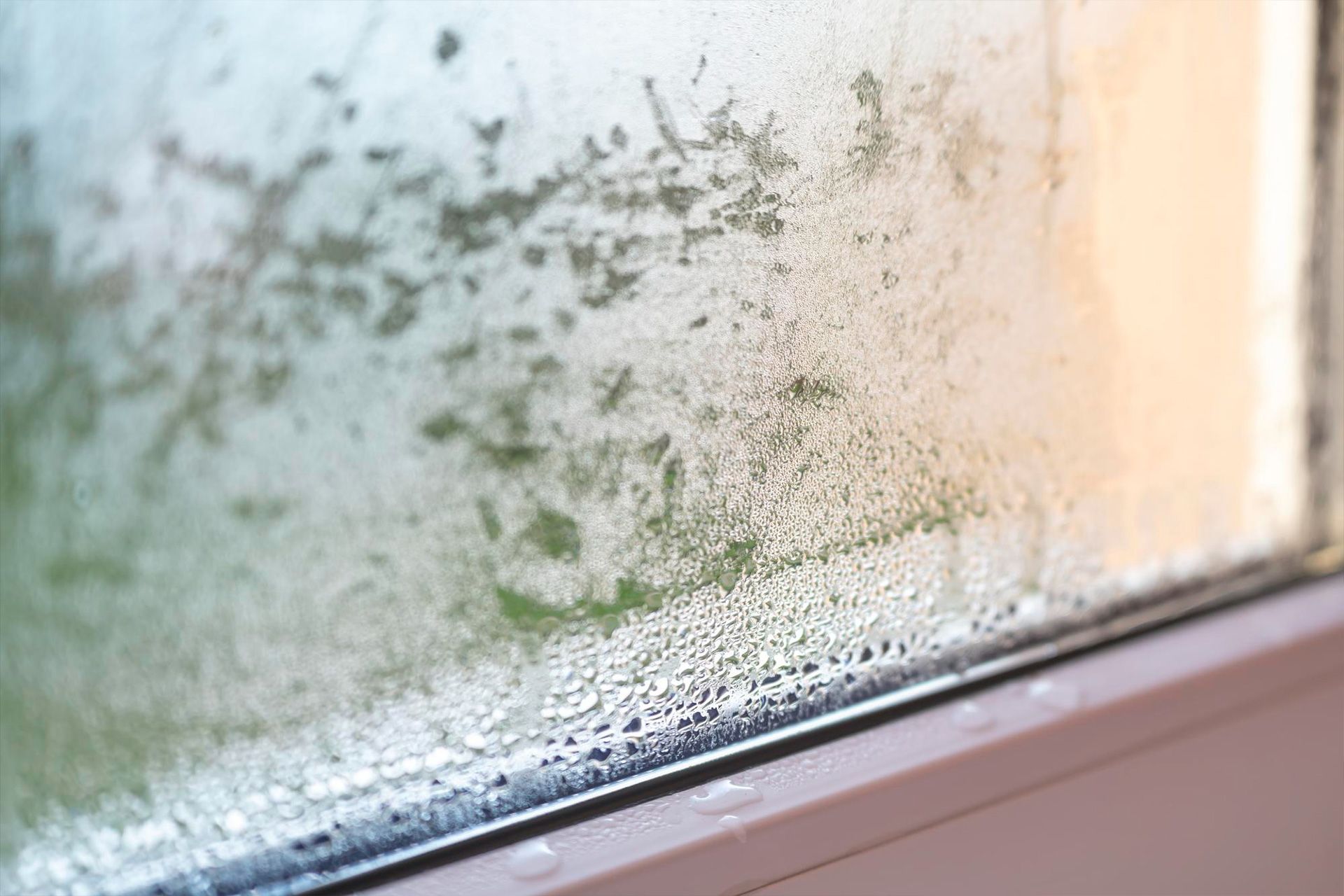
Forced air heating can reduce indoor humidity levels. While Palm Beach County tends to be humid overall, indoor air can still feel dry during extended heating use. Humidity control solutions may be necessary in some cases.
Is Forced Air Heating Right for Palm Beach County Homes?
Palm Beach County experiences mild winters compared to northern states. However, temperatures can still dip into the 40s and 50s during cold fronts. For most homeowners, a forced air heating system provides:
- Quick comfort when needed
- Efficient seasonal heating
- Seamless integration with cooling systems
- Lower installation complexity
Because heating demand is moderate in South Florida, investing in a highly efficient system and maintaining it properly often provides the best balance of performance and cost.
If your home already has central air conditioning, forced air heating is typically the most practical and economical solution.
Maintenance Tips for Long-Term Performance
To keep your forced air system running efficiently:
Change Air Filters Regularly
Replace filters every 1–3 months to maintain airflow and protect system components.
Schedule Annual HVAC Inspections
Even in Florida’s mild climate, yearly inspections help prevent unexpected breakdowns.
Inspect Ductwork
Ensure ducts are sealed and insulated properly to avoid energy loss.
Keep Vents Clear
Avoid blocking supply or return vents with furniture.
Consider Air Quality Upgrades
Air purifiers, UV lights, and dehumidifiers can enhance indoor comfort.
Preventative maintenance not only improves comfort but also extends the life of your HVAC system.
Final Thoughts
Forced air heating remains one of the most practical and widely used HVAC solutions in Palm Beach County. It offers quick comfort, system flexibility, and compatibility with modern smart home technology. While it does require maintenance and proper duct care, the benefits often outweigh the drawbacks for Florida homeowners.
Understanding what is forced air heating, how a forced air heating system works, and the pros and cons involved can help you make an informed decision about your home comfort needs.
Need expert forced air heating service in Palm Beach County? Contact Old School Cooling today for reliable, professional HVAC solutions.
Frequently Asked Questions
What is forced air heating?
Forced air heating is a system that heats air at a central source and distributes it throughout your home using ductwork and vents.
How long does a forced air heating system last?
With proper maintenance, most systems last 15–20 years. Heat pumps may have slightly shorter lifespans depending on usage.
Is forced air heating energy efficient?
Yes, especially with modern high-efficiency furnaces or heat pumps. Proper maintenance and duct sealing improve efficiency even further.
Does forced air heating improve indoor air quality?
It can. Because air passes through filters, dust and allergens are captured. Upgraded filtration systems can enhance this benefit.
Is forced air heating good for Florida homes?
Absolutely. It works well in Palm Beach County because it integrates with central air conditioning and provides fast heating during cooler months.
How often should I service my forced air system?
At least once per year. Even if heating use is minimal, annual maintenance ensures safe and efficient operation.
Disclaimer: The information on this website and blog is for general informational purposes only and is not professional advice. We make no guarantees of accuracy or completeness. We disclaim all liability for errors, omissions, or reliance on this content. Always consult a qualified professional for specific guidance.
Search Blog
Recent Posts