Condensing vs Non-Condensing Tankless Water Heater: What’s the Difference?
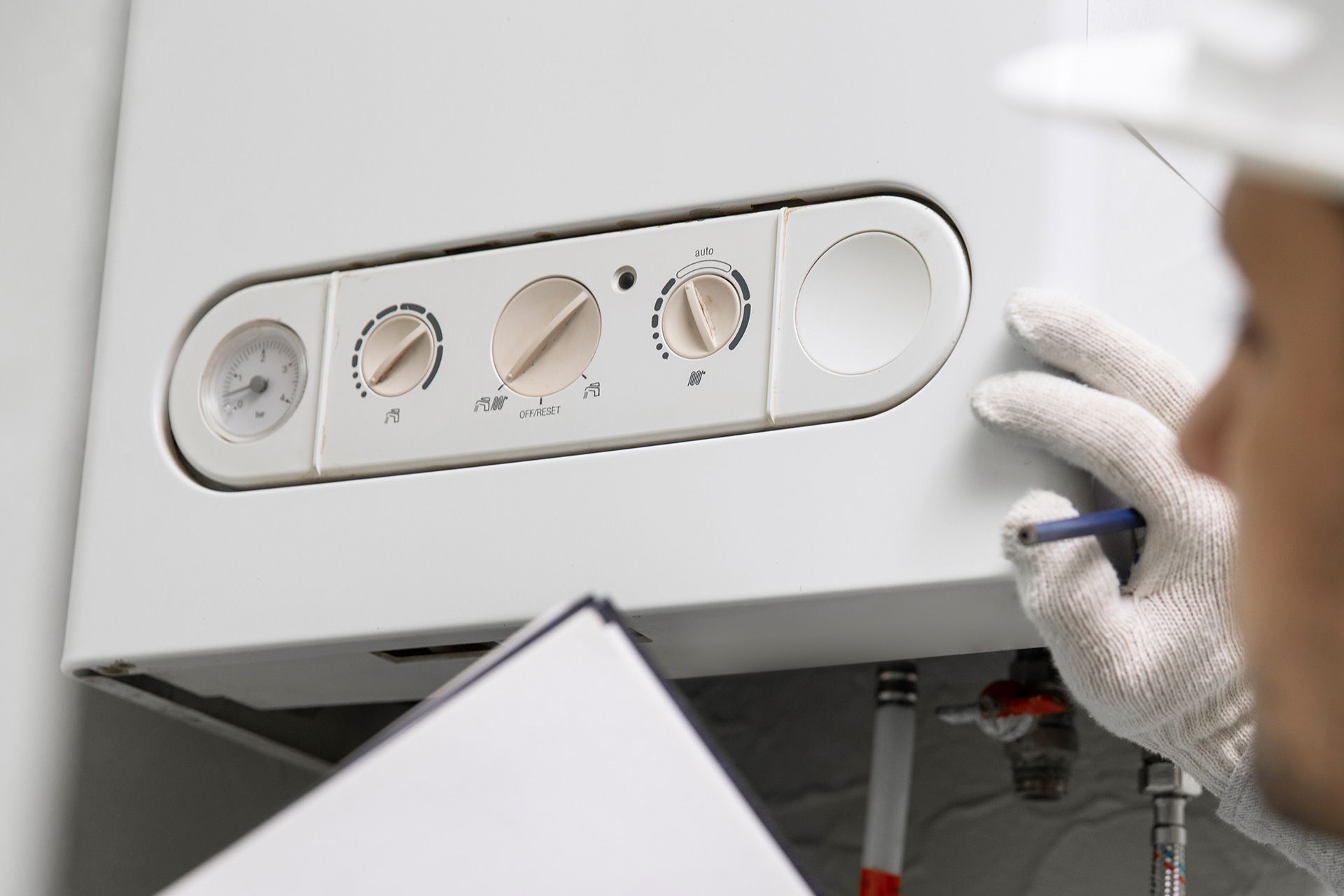
Tankless water heaters have become increasingly popular in homes across the United States. Instead of storing hot water in a tank, these systems heat water on demand, giving you endless hot water while improving energy efficiency.
But when researching options, many homeowners run into a key question: What is the difference between a condensing vs non condensing tankless water heater?
While both systems provide hot water instantly and eliminate the need for a bulky tank, they operate differently. Those differences affect efficiency, installation, maintenance, and long-term costs. This guide will break it all down in simple terms so you can decide which option fits your home and budget.
What Is a Tankless Water Heater?
A tankless water heater heats water only when you turn on a faucet, shower, or appliance. Cold water flows through the unit, where a gas burner or electric element heats it instantly.
Unlike traditional tank water heaters that continuously heat and reheat stored water, tankless systems only use energy when hot water is needed. This typically results in:
- Lower energy consumption
- Reduced monthly utility bills
- Unlimited hot water
- Longer system lifespan
- Space-saving wall-mounted design
However, not all tankless systems are the same. When comparing a condensing vs non condensing tankless water heater, the main difference lies in how the system handles exhaust heat.
The Core Difference: Heat Recovery
Both condensing and non-condensing tankless water heaters use gas combustion to heat water. During combustion, exhaust gases are created. The key difference between the two systems is what happens to that exhaust heat.
Non-Condensing Tankless Water Heaters
Non-condensing units are the more traditional design. They use a single heat exchanger to heat water. After heat transfer occurs, the remaining exhaust gases are vented outside at high temperatures.
Key characteristics:
- One heat exchanger
- Hot exhaust gases expelled directly
- No secondary heat recovery
- Higher exhaust temperatures
- No condensate produced
Because exhaust temperatures remain very hot, these systems require specialized metal venting materials that can handle high heat.
Condensing Tankless Water Heaters
Condensing systems take efficiency one step further. They use two heat exchangers instead of one.
After the primary heat exchanger warms the water, a secondary heat exchanger captures additional heat from the exhaust gases before they exit the system. As the exhaust cools, water vapor condenses into liquid, this is where the name “condensing” comes from.
Key characteristics:
- Two heat exchangers
- Recovers additional heat from exhaust
- Lower exhaust temperatures
- Produces condensate (water)
- Higher overall efficiency
Because the exhaust is cooler, condensing units can often use less expensive venting materials such as PVC. However, they require a drain to remove condensate safely.
Efficiency Comparison
When comparing condensing vs non condensing tankless water heater efficiency, condensing models typically come out ahead.
Condensing Efficiency
Condensing tankless water heaters can reach efficiency ratings as high as 95–96%. That means almost all the fuel burned is converted into usable heat for your water.
Non-Condensing Efficiency
Non-condensing units usually operate around 80–85% efficiency. While still more efficient than traditional tank heaters, they lose more heat through exhaust.
What This Means for Homeowners
Higher efficiency translates into:
- Lower monthly gas bills
- Reduced fuel usage
- Smaller carbon footprint
- Better long-term energy savings
For households with high hot water demand, condensing systems often deliver greater savings over time.
Installation Differences
Installation requirements are one of the biggest practical differences between the two systems.
Venting Requirements
Non-Condensing Units
- Require stainless steel or metal venting
- Must handle high exhaust temperatures
- Often more expensive vent materials
Condensing Units
- Use cooler exhaust gases
- Can often use PVC or polypropylene venting
- May allow more flexible vent routing
Condensate Drain
Condensing water heaters produce condensation during operation. That water must be drained safely, often through a condensate line connected to a drain system. Some installations require a neutralizer to treat acidic condensate.
Non-condensing units do not produce condensate and therefore do not require a drain line.
Upfront Cost vs Long-Term Savings
When comparing a condensing vs non condensing tankless water heater, cost is often the deciding factor.
Initial Purchase Price
- Condensing systems typically cost more upfront.
- Non-condensing models are usually more budget-friendly.
Installation Costs
Condensing units may save on venting materials but require a condensate drain. Non-condensing systems require specialized metal venting, which can increase installation cost.
Operating Costs
Condensing models generally cost less to operate due to their higher efficiency. Over many years, energy savings can offset the higher purchase price.
If you plan to stay in your home long term, condensing systems often provide better overall value.
Maintenance and Service
Both types of tankless water heaters require annual maintenance, including flushing to remove mineral buildup (especially in areas with hard water).
Condensing Maintenance
- Heat exchanger cleaning
- Condensate line inspection
- Possible neutralizer replacement
- Annual servicing recommended
Non-Condensing Maintenance
- Heat exchanger flushing
- Burner inspection
- General system checks
Because condensing systems are more complex, they may require slightly more detailed servicing. However, both types are designed for long lifespans when properly maintained.
Performance and Hot Water Demand
Both condensing and non-condensing tankless water heaters provide continuous hot water.
However, condensing systems often offer slightly higher performance levels due to improved heat recovery.
This makes condensing units ideal for:
- Larger families
- Homes with multiple bathrooms
- Simultaneous appliance use
- High daily hot water demand
Non-condensing units still perform well for small to medium households with moderate usage.
Environmental Impact
If environmental impact matters to you, condensing tankless systems typically have the advantage.
Because they use fuel more efficiently, they:
- Reduce greenhouse gas emissions
- Lower overall energy consumption
- Produce cooler exhaust gases
Non-condensing systems are still efficient compared to tank heaters, but they waste more heat through venting.
Quick Comparison Summary
| Feature | Condensing Tankless | Non-Condensing Tankless |
|---|---|---|
| Heat Exchangers | Two | One |
| Efficiency | Higher (up to 96%) | Moderate (80–85%) |
| Exhaust Temperature | Cooler | Hotter |
| Venting Material | Often PVC | Metal required |
| Condensate Drain | Required | Not required |
| Upfront Cost | Higher | Lower |
| Long-Term Savings | Greater | Moderate |
| Best For | Large homes, long-term savings | Budget-friendly installs |
Which One Is Right for Your Home?
Choosing between a condensing vs non condensing tankless water heater depends on your specific situation.
Choose Condensing If:
- You want maximum energy efficiency
- You plan to stay in your home long term
- You have high hot water demand
- You want lower long-term utility costs
Choose Non-Condensing If:
- You want lower upfront cost
- Installation space is limited
- You prefer a simpler system
- Your household has moderate hot water usage
A licensed HVAC or plumbing professional can assess your home’s gas supply, venting setup, water demand, and budget to help you make the best decision.
Final Thoughts
Understanding the difference between a condensing vs non condensing tankless water heater helps you make a smarter investment in your home’s comfort and efficiency. While condensing models cost more upfront, they often deliver better long-term savings and performance. Non-condensing systems remain a solid, budget-friendly option for many homeowners.
If you're considering upgrading your water heating system, professional guidance ensures you choose the right solution for your home’s needs.
Ready to upgrade your hot water system? Contact Old School Cooling today for expert advice and professional installation.
Frequently Asked Questions
Is a condensing tankless water heater worth the extra money?
For many homeowners, yes. The higher efficiency can lead to long-term savings on energy bills, especially in larger households with heavy hot water use.
Do condensing water heaters require special maintenance?
They require annual maintenance similar to non-condensing models, plus inspection of the condensate drain and neutralizer system.
How long do tankless water heaters last?
With proper maintenance, both condensing and non-condensing tankless systems can last 15 to 20 years or longer.
Can I replace my non-condensing unit with a condensing model?
Yes, but installation changes may be needed, including venting adjustments and adding a condensate drain line.
Are tankless water heaters better than traditional tank systems?
Tankless systems generally offer greater energy efficiency, longer lifespan, and unlimited hot water compared to traditional tank heaters.
Disclaimer: The information on this website and blog is for general informational purposes only and is not professional advice. We make no guarantees of accuracy or completeness. We disclaim all liability for errors, omissions, or reliance on this content. Always consult a qualified professional for specific guidance.
Search Blog
Recent Posts