How Often Should HVAC Be Serviced?
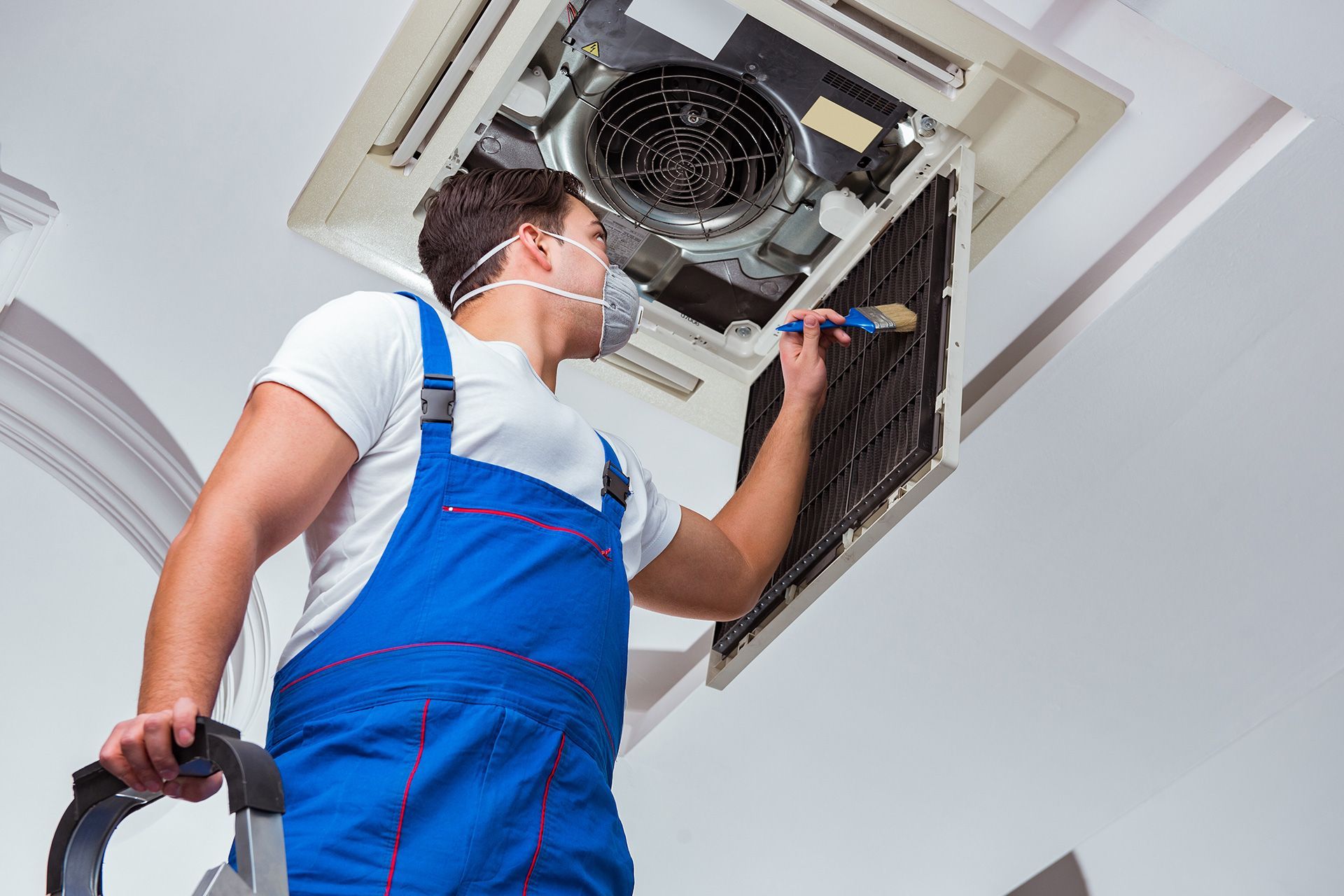
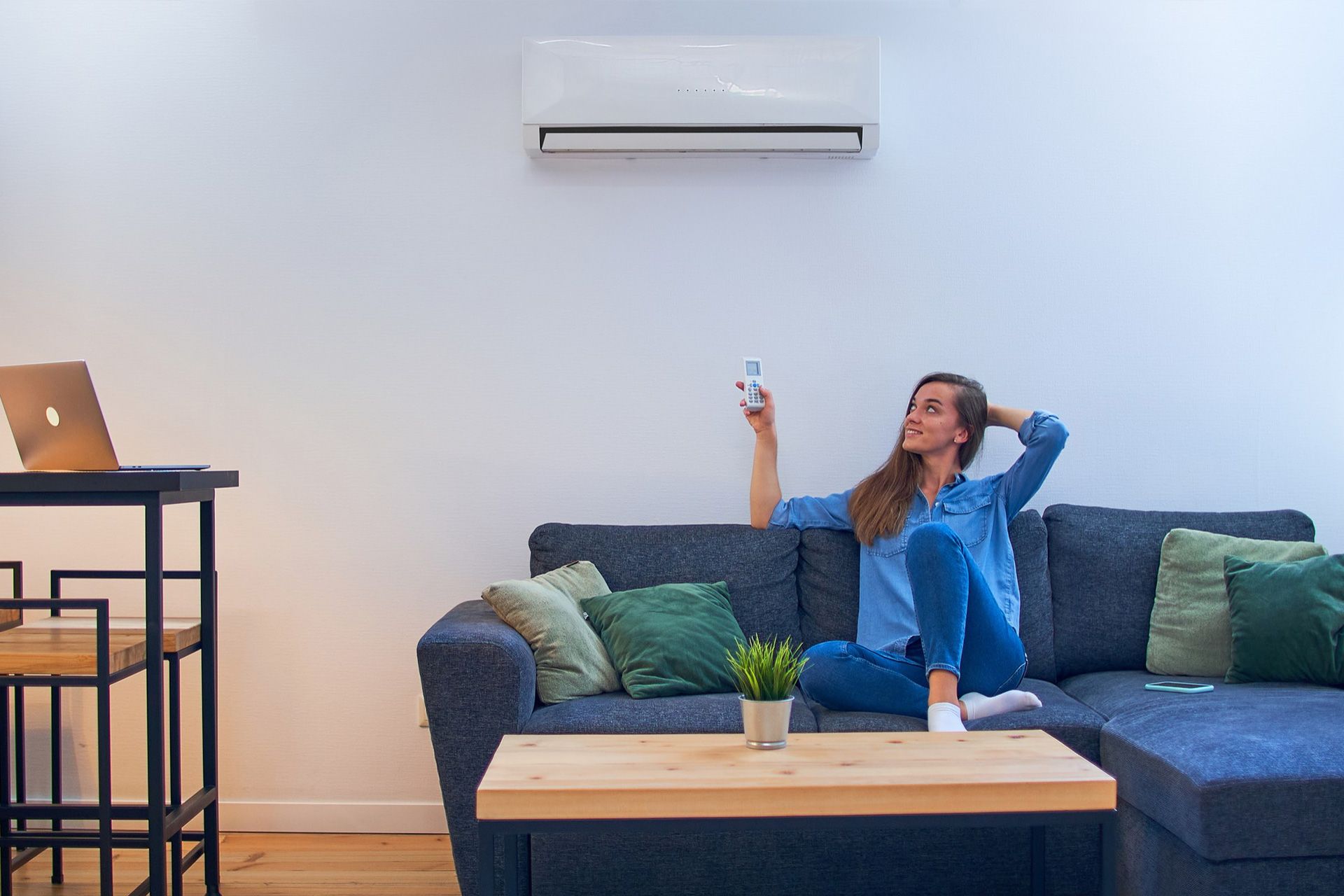
Your heating and cooling system works hard year-round to keep your home comfortable. Whether it is cooling your home during summer or heating it in winter, your system needs regular care to run properly. Many homeowners wait until something breaks before calling for help, but routine HVAC maintenance can prevent major problems before they start.
So, how often should HVAC be serviced? Most professionals recommend scheduling professional HVAC service twice a year. One visit should occur in the spring before the cooling season, and another in the fall before the heating season. These regular inspections help your system stay efficient, safe, and reliable.
In this guide, we will explain why HVAC maintenance matters, how often service is needed, warning signs to watch for, and what happens during a professional inspection.
Why Regular HVAC Maintenance Matters
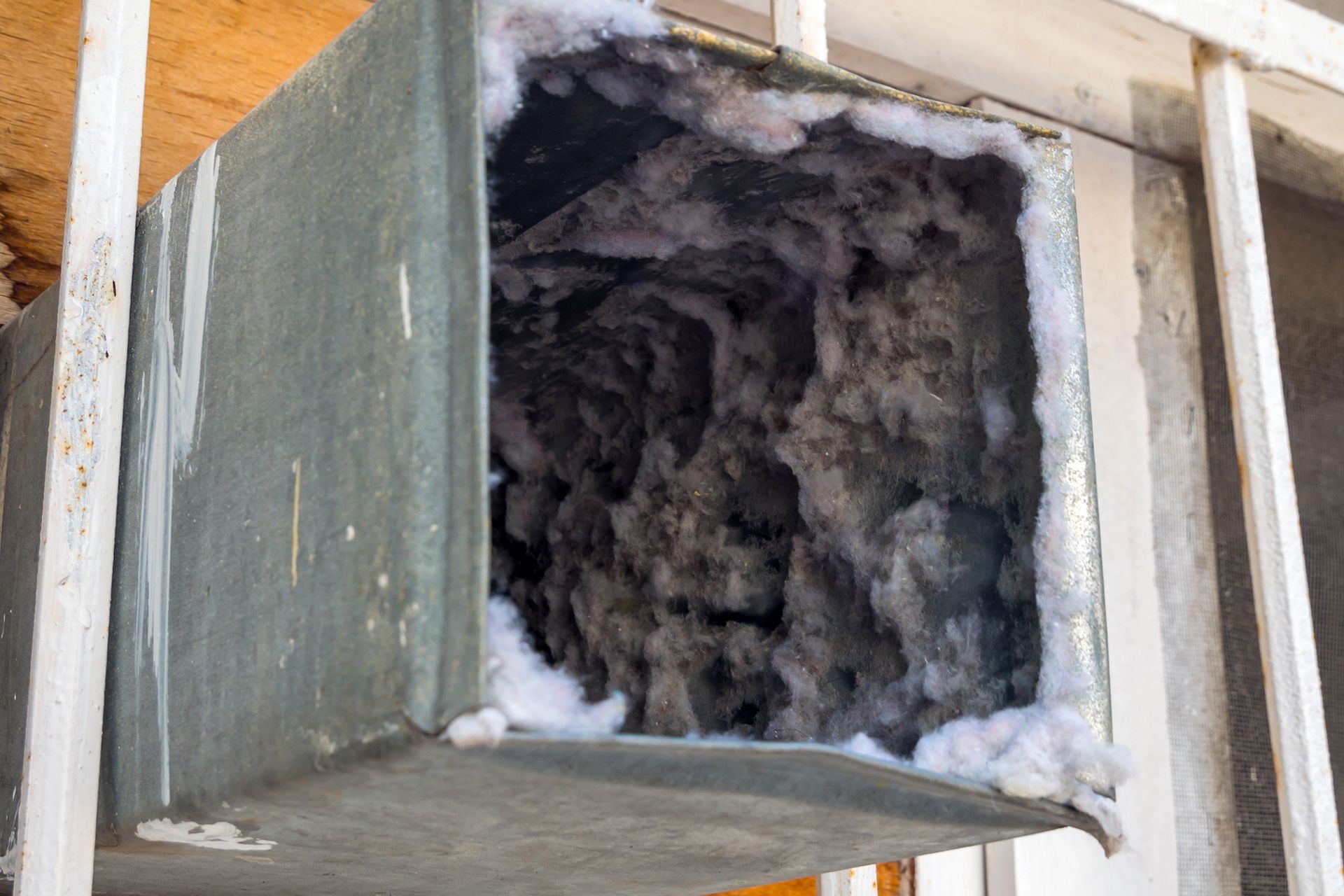
Your HVAC system is one of the most important systems in your home. It controls indoor comfort, air quality, and energy efficiency. Without proper care, dust buildup, worn parts, and airflow problems can reduce performance over time.
Routine HVAC maintenance helps:
- Improve energy efficiency
- Reduce unexpected breakdowns
- Extend system lifespan
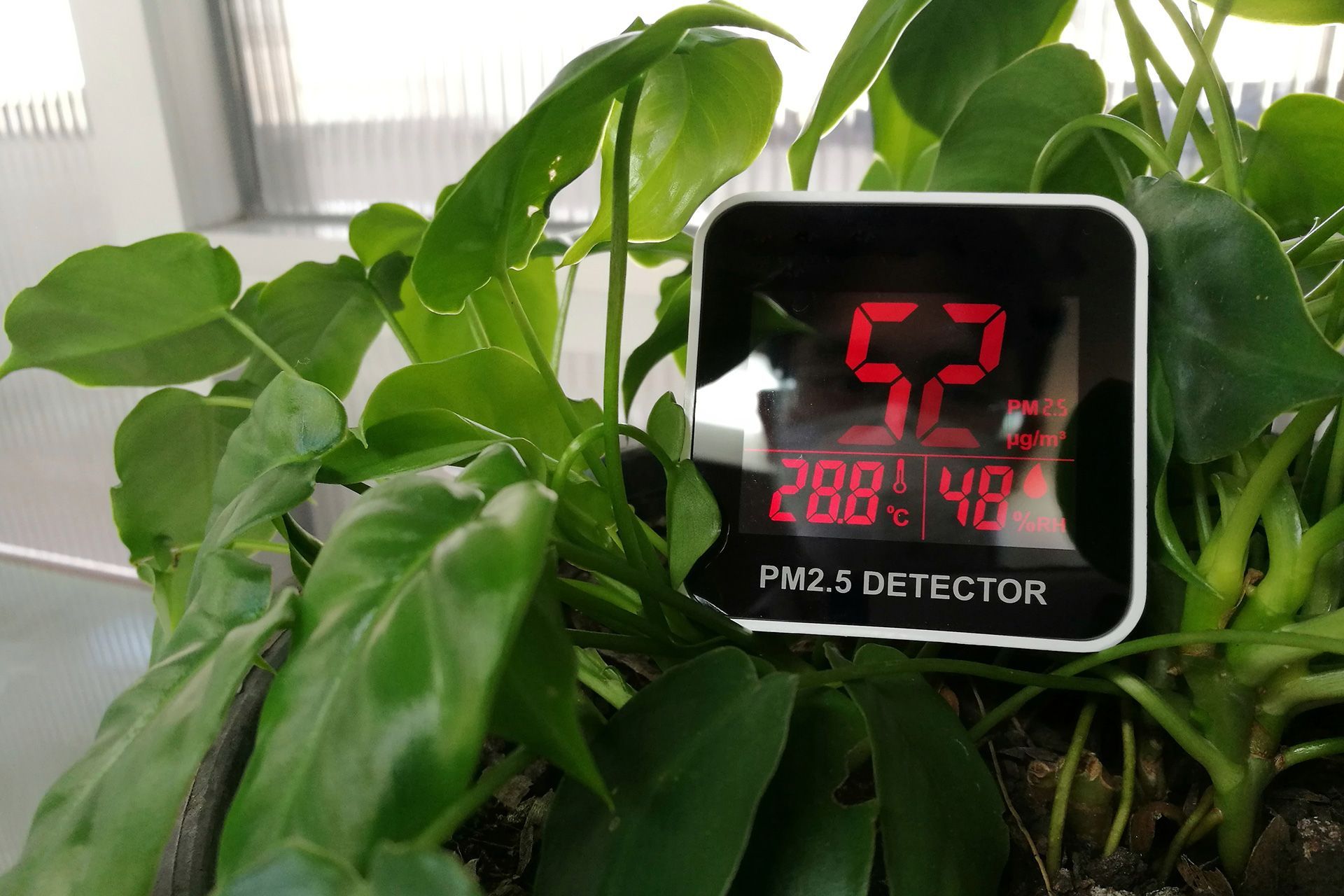
- Improve indoor air quality
- Keep airflow strong and consistent
- Lower strain on system components
A well-maintained system usually runs more smoothly and experiences fewer costly repairs.
How Often Should HVAC Be Serviced?
Most HVAC professionals recommend servicing your system twice a year.
1. Spring HVAC Maintenance: Spring service prepares your air conditioning system for warmer weather. During this appointment, technicians inspect cooling components and make sure your system is ready for heavy summer use.
2. Fall HVAC Maintenance: Fall service focuses on your heating system. This helps ensure safe and efficient operation before colder temperatures arrive.
If your HVAC system runs year-round, regular maintenance becomes even more important, as the equipment is in constant use.
Is Once a Year Enough?
Some homeowners only schedule HVAC maintenance once per year. While this is better than no maintenance at all, twice-yearly service is usually recommended for the best results.
Heating and cooling systems have different parts that need seasonal attention. Skipping inspections may allow small issues to grow into larger problems.
Older HVAC systems may need even more frequent attention because parts wear down faster with age.
What Happens During Professional HVAC Service?
A professional HVAC service visit involves much more than a quick inspection. Technicians carefully check system performance, clean components, and identify potential issues.
- Air Filter Inspection and Replacement: Dirty air filters restrict airflow, forcing your system to work harder. Replacing filters regularly helps maintain efficiency and indoor air quality.
- Thermostat Testing: Technicians test thermostat accuracy and settings to ensure proper temperature control.
- Electrical Component Inspection: Loose or damaged electrical connections can affect performance and safety. HVAC professionals inspect wiring and electrical parts carefully.
- Cleaning Coils and Components: Dust and debris buildup reduce efficiency. Cleaning indoor and outdoor components helps improve airflow and cooling performance.
- Refrigerant Check: Low refrigerant levels can reduce your air conditioner's cooling capacity and strain it.
- Lubricating Moving Parts: Proper lubrication reduces wear on motors and moving components.
- Drain Line Cleaning: Clogged drain lines can cause water leaks and moisture problems.
- Airflow Testing: Technicians check airflow throughout the system to identify restrictions or duct problems.
How to Know Your HVAC System Needs Service?
Even with regular maintenance, your HVAC system may show warning signs that require immediate attention.
- Weak Airflow: If airflow from the vents feels weak, your system may have a clogged filter, a blower issue, or a duct problem.
- Strange Noises: Grinding, banging, or squealing sounds often indicate worn or damaged components.
- Higher Energy Bills: A sudden increase in utility bills may mean your system is working harder than normal.
- Uneven Temperatures: Hot or cold spots throughout your home may signal airflow or thermostat issues.
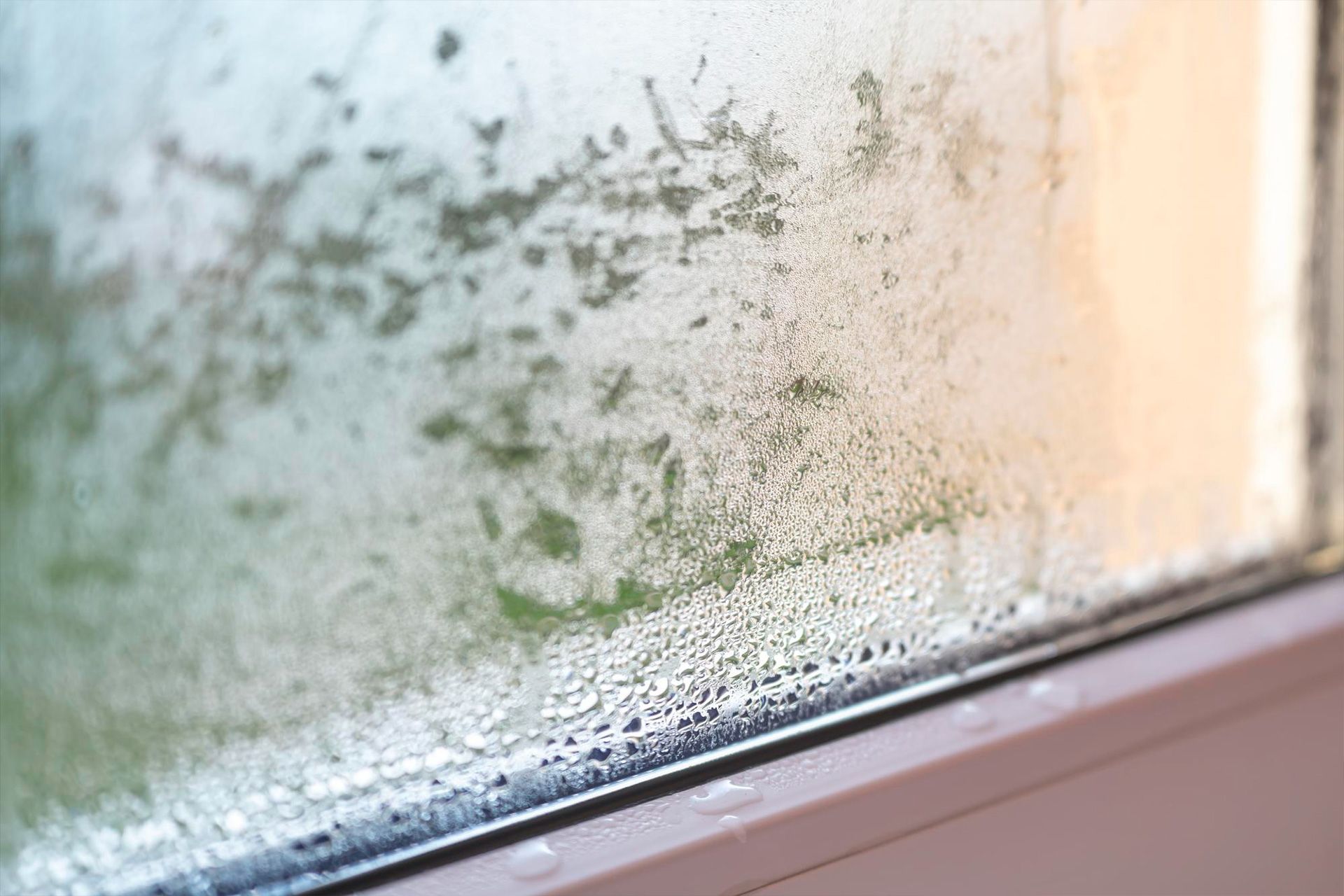
- Bad Odors: Musty or burning smells should never be ignored. These odors may point to mold, dust buildup, or electrical problems.
- Frequent Cycling: If your system turns on and off repeatedly, it may need a professional inspection.
How HVAC Maintenance Improves Energy Efficiency
One major benefit of regular HVAC maintenance is improved energy efficiency. Dirty or neglected systems often use more energy because they struggle to maintain the desired temperature.
Clean filters, proper airflow, and well-maintained components allow your system to operate more efficiently. This reduces strain and helps maintain consistent indoor comfort.
When an HVAC system runs efficiently, it also experiences less wear over time.
Can Homeowners Perform HVAC Maintenance?
Some basic maintenance tasks can be handled by homeowners between professional visits. These are:
- Replace air filters regularly
- Keep vents open and unblocked
- Remove debris around outdoor units
- Keep indoor areas clean and dust-free
- Check thermostat batteries when needed
However, professional HVAC service is still necessary. This is because trained technicians inspect internal components and safety systems that homeowners should not handle themselves.
How Long Does an HVAC System Last?
Most HVAC systems last between 10 and 20 years, depending on maintenance, usage, and installation quality.
Systems that receive regular professional HVAC service often last longer because technicians catch small problems before they cause major damage. Skipping maintenance can shorten system lifespan and increase repair frequency.
Seasonal HVAC Maintenance Checklist
Here are a few simple seasonal reminders homeowners can follow:
Spring
- Replace air filters
- Clear debris around outdoor units
- Schedule cooling inspection
- Test thermostat settings
Fall
- Schedule a heating inspection
- Check airflow from vents
- Listen for unusual noises
- Inspect carbon monoxide detectors
Choosing the Right HVAC Maintenance Schedule
The best maintenance schedule depends on several factors:
- Age of the system
- Climate conditions
- Frequency of use
- Indoor air quality concerns
- Presence of pets or allergies
Homes in warmer climates where air conditioners run year-round may benefit from more frequent inspections.
A professional HVAC service provider can recommend the best schedule for your specific system.
Conclusion
Regular HVAC maintenance plays a major role in keeping your heating and cooling system reliable, efficient, and safe. Most homeowners should schedule professional HVAC service twice each year to prepare for both cooling and heating seasons. Routine inspections help prevent breakdowns, improve airflow, and extend the life of your equipment.
At Old School Cooling, we help homeowners keep their HVAC systems running smoothly with dependable maintenance and professional care. Our team is committed to helping you maintain indoor comfort year-round. Schedule a service appointment today to keep your HVAC system performing at its best.
FAQs
How often should air filters be changed?
Most air filters should be replaced every 1 to 3 months, depending on usage, pets, and indoor air quality.
Is HVAC maintenance really necessary every year?
Yes. Regular HVAC maintenance helps improve efficiency, reduce breakdowns, and extend your system's lifespan.
What season is best for HVAC service?
Spring and fall are usually the best times because they prepare your system for heavy use during summer and winter.
Can HVAC maintenance improve indoor air quality?
Yes. Cleaning filters and system components helps reduce dust, allergens, and airborne particles inside your home.
What happens if HVAC maintenance is ignored?
Neglecting maintenance can lead to reduced efficiency, increased energy use, unexpected repairs, and a shorter system lifespan.
Disclaimer: The information on this website and blog is for general informational purposes only and is not professional advice. We make no guarantees of accuracy or completeness. We disclaim all liability for errors, omissions, or reliance on this content. Always consult a qualified professional for specific guidance.
Search Blog
Recent Posts