How to Install Central Air Conditioning – Detailed Old School Cooling Guide
Installing a central air conditioning system is one of the most effective ways to keep your home cool, comfortable, and energy-efficient, especially in hot, humid regions like Broward County, Palm Beach County, Martin County, and St. Lucie County. Whether you're upgrading from window units or installing AC for the first time, understanding the process helps you make smarter decisions and avoid costly mistakes.
In this detailed “old school cooling” guide, we break down everything you need to know about central air conditioning installation, step by step.
What Is Central Air Conditioning?
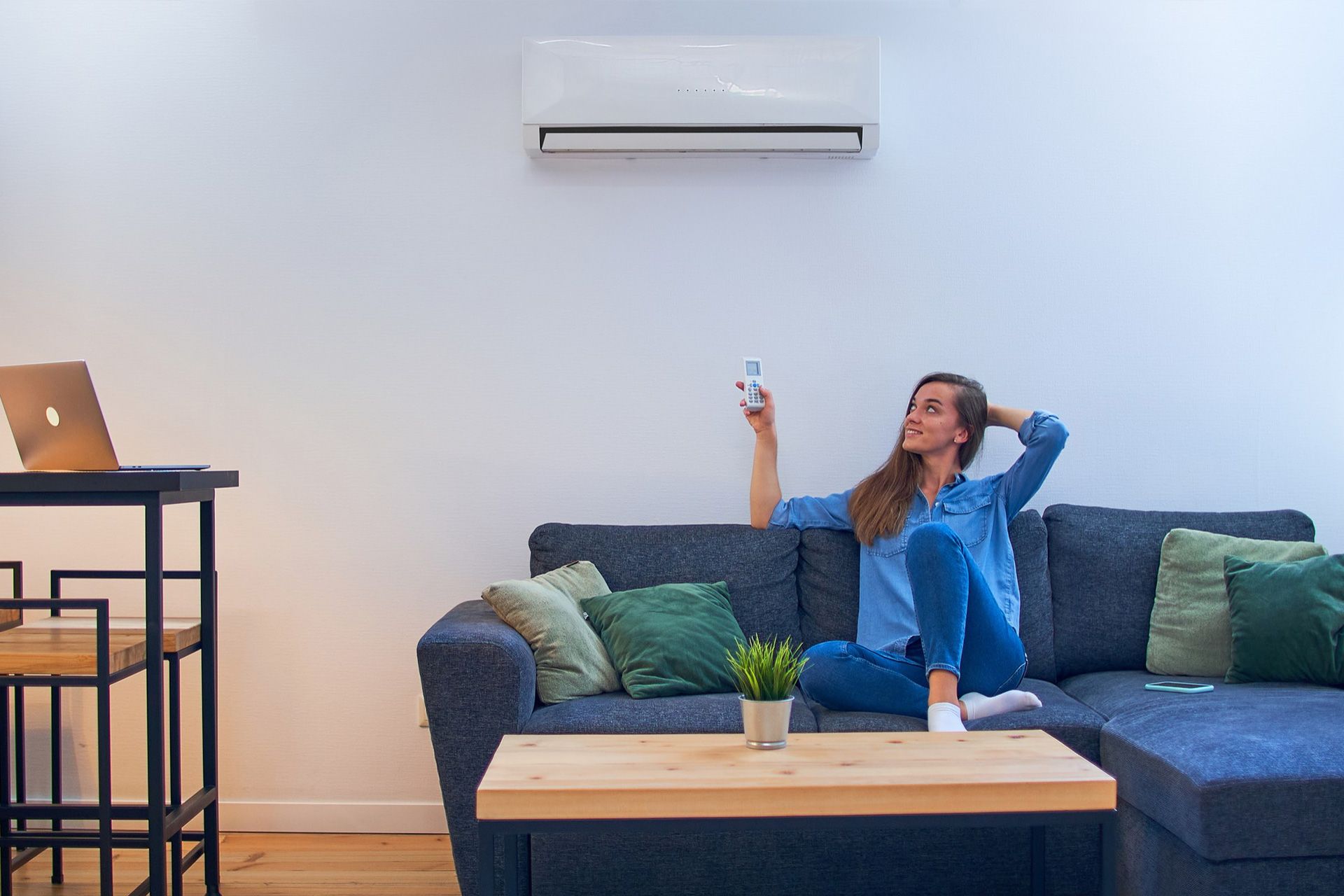
Central air conditioning is a system that cools your entire home using a network of ducts and vents. It works by circulating cooled air from a central unit through your home while removing heat and humidity.
Unlike window or split ACs, central systems provide:
- Even cooling across all rooms
- Better humidity control
- Cleaner indoor air quality
- Quiet operation
For South Florida homes, where heat and humidity are intense, this type of system is often the best long-term solution.
Types of Central AC Systems
Before installing an AC, you need to choose the right type of system:
1. Split Systems (Most Common)
- Indoor unit (evaporator coil + air handler)
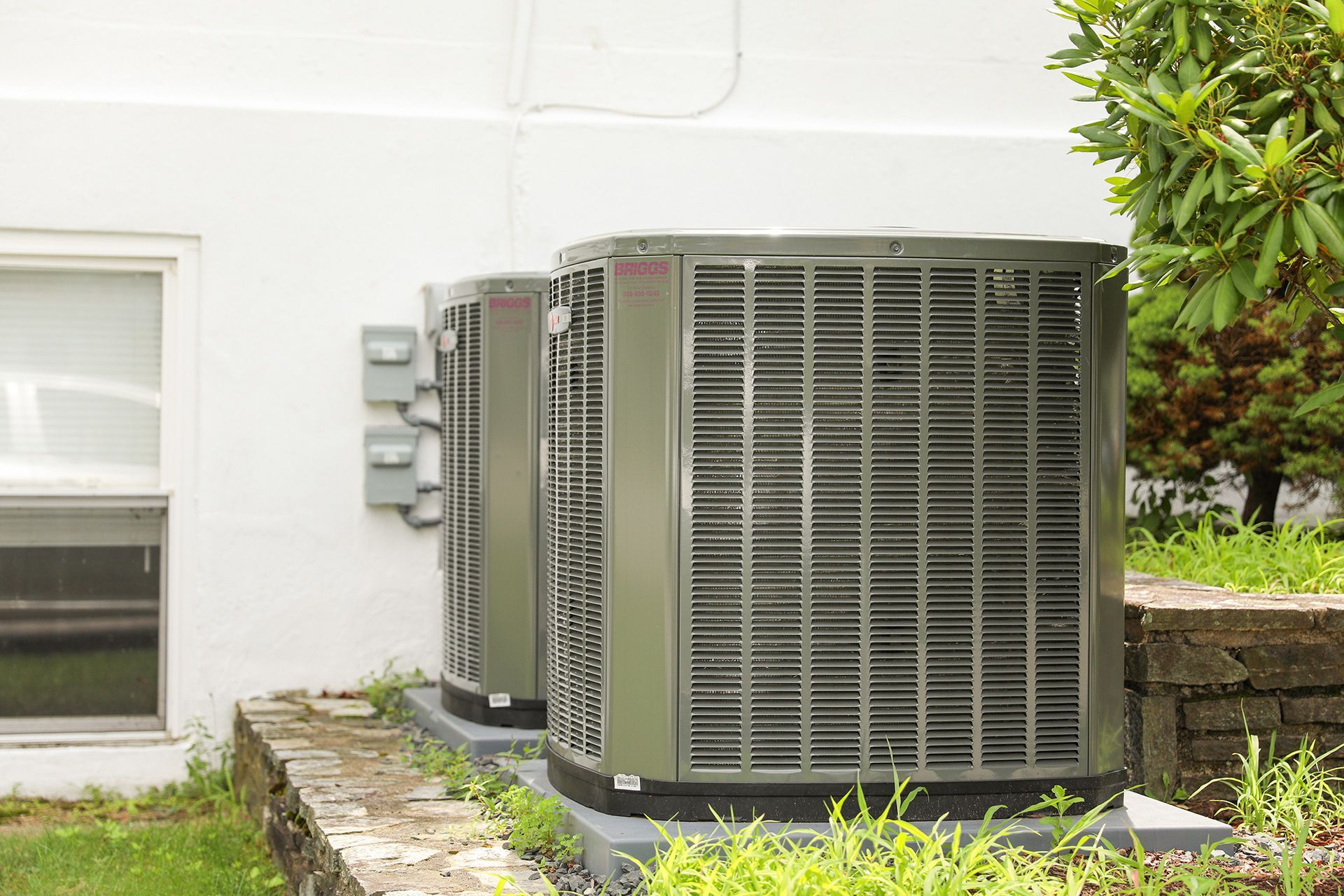
- Outdoor unit (compressor + condenser)
2. Packaged Units
- All components in one outdoor unit
- Ideal for smaller homes or limited indoor space
The type you choose affects installation complexity, cost, and efficiency.
Step-by-Step Central AC Installation Process
Here’s how professional central ac installation works from start to finish.
1. Home Evaluation & Load Calculation
Every proper central air conditioning install starts with a detailed assessment.
Technicians evaluate:
- Square footage
- Insulation quality
- Window placement
- Sun exposure
- Existing ductwork
This ensures the system is correctly sized. An oversized or undersized unit leads to inefficiency and higher energy bills.
2. Choosing the Right System
After evaluation, your contractor will recommend:
- Correct tonnage (cooling capacity)
- Energy efficiency (SEER rating)
- System type (split vs packaged)
In Florida counties like Broward or Palm Beach, high-efficiency systems are strongly recommended due to long cooling seasons.
3. Preparing Your Home
Before installation begins:
- Permits may be secured
- Old systems are removed
- Electrical systems are inspected
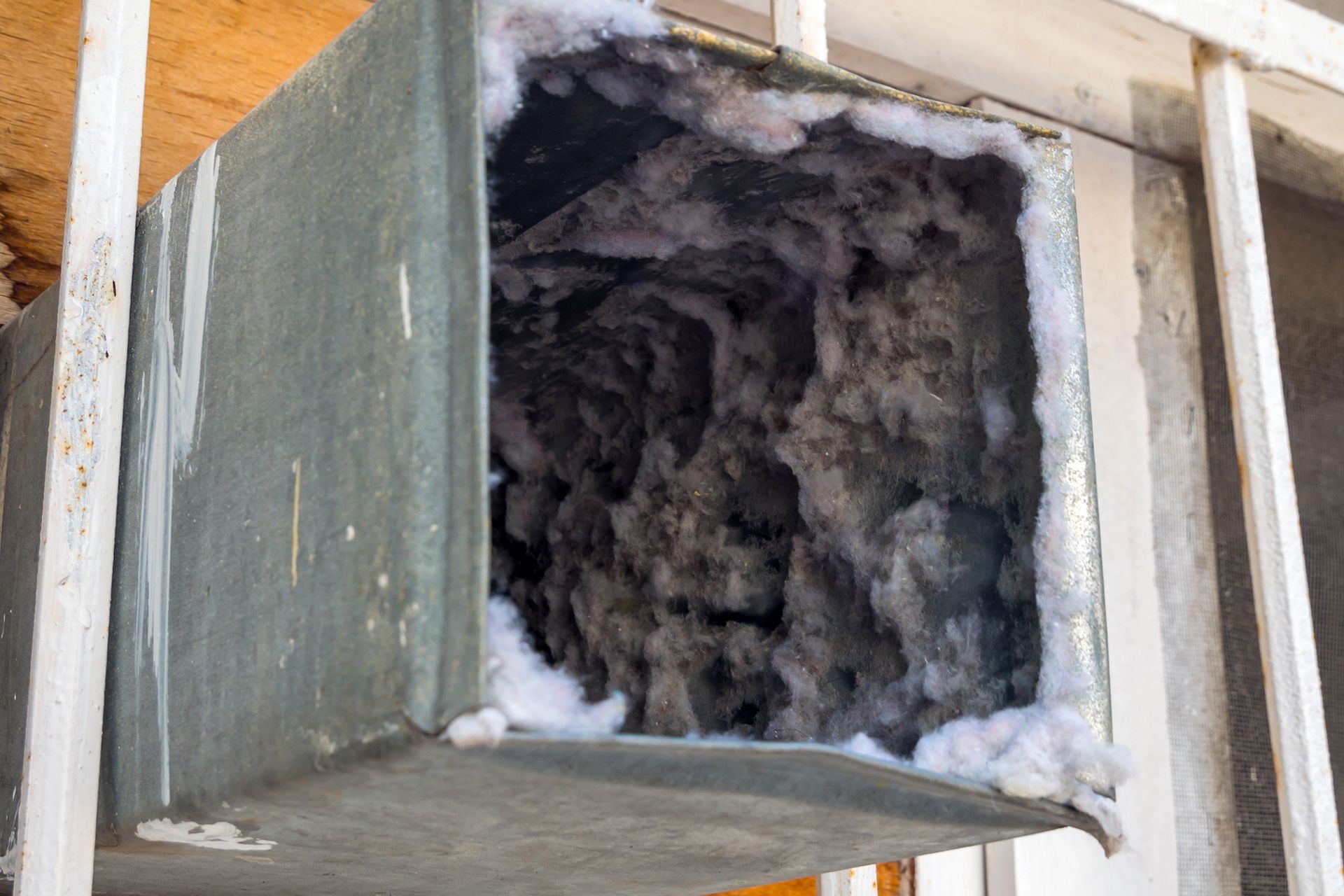
- Ductwork is checked for leaks or damage
If ducts are outdated or missing, they may need replacement or new installation, especially in older homes.
4. Installing or Modifying Ductwork
Ductwork is the backbone of central air conditioning installation.
Key steps include:
- Designing airflow layout
- Sealing leaks
- Insulating ducts
- Installing supply and return vents
Without proper ducts, even the best AC unit won’t perform efficiently.
5. Installing the Indoor Unit
The indoor unit (air handler or furnace coil) is typically installed:
- In the attic
- In a closet
- In a garage
Technicians ensure:
- Proper leveling
- Adequate airflow clearance
- Correct drainage for condensation
6. Installing the Outdoor Unit
The outdoor condenser unit is placed:
- On a concrete pad
- Away from obstructions
- In a well-ventilated area
Proper placement is crucial for efficiency and longevity.
7. Connecting Refrigerant Lines & Electrical Systems
This is one of the most technical parts of central ac installation.
Technicians:
- Install copper refrigerant lines
- Pressure test for leaks
- Connect electrical wiring
- Ensure safe voltage supply
Improper installation here can damage the compressor or reduce system life.
8. Installing the Thermostat
Modern systems often include:
- Smart thermostats
- Programmable controls
- Zoning systems
These improve energy efficiency and allow better temperature control.
9. System Testing & Calibration
Once installation is complete, technicians:
- Check refrigerant levels
- Test airflow and pressure
- Calibrate thermostat
- Run full system diagnostics
A properly installed system can reduce cooling costs by up to 30%.
10. Final Walkthrough & Maintenance Tips
Before leaving, professionals will:
- Explain how the system works
- Provide maintenance guidelines
- Recommend service schedules
Regular maintenance ensures long-term efficiency and performance.
Special Considerations for South Florida Homes
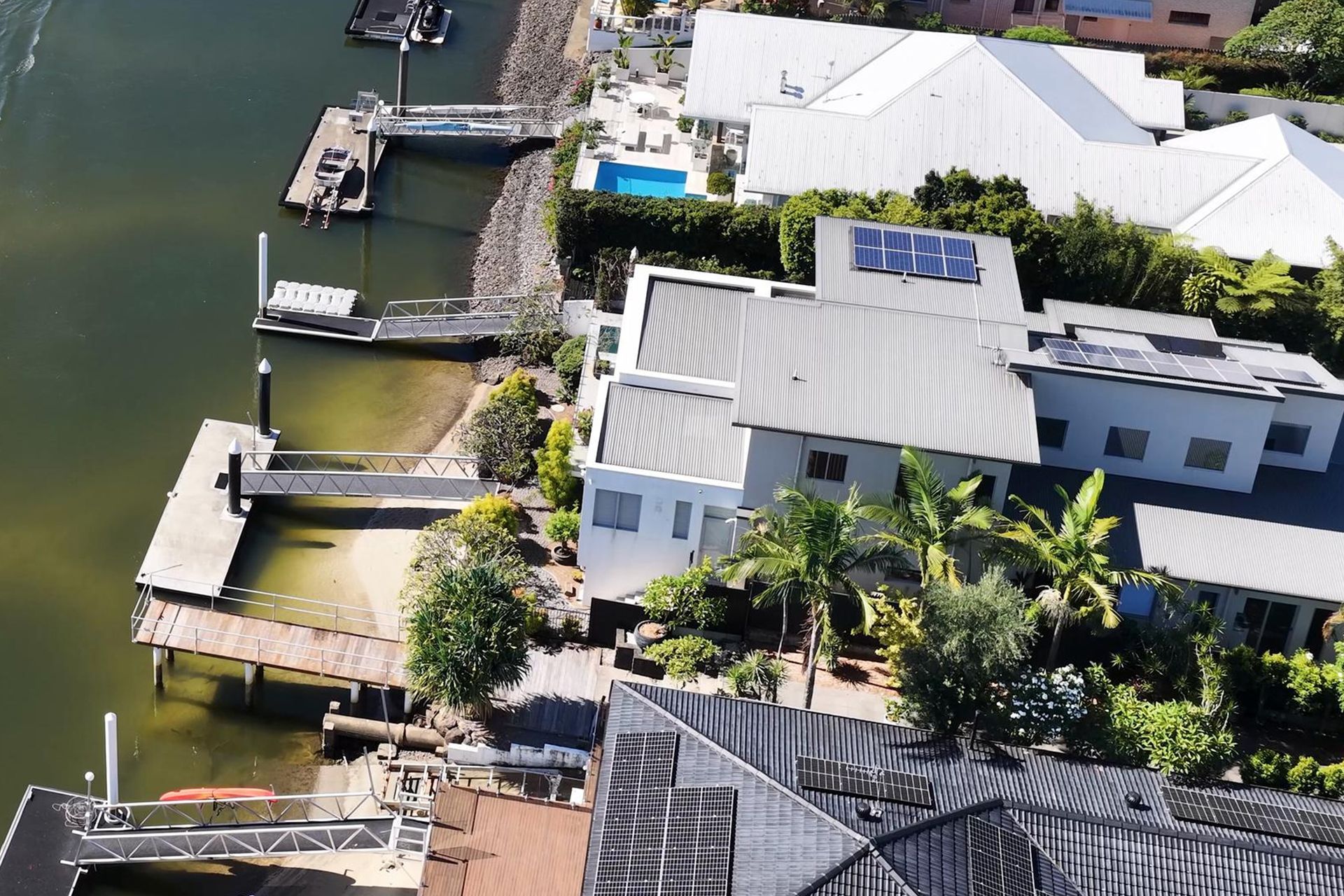
If you're installing central AC in Broward, Martin, Palm Beach, or St. Lucie County, consider:
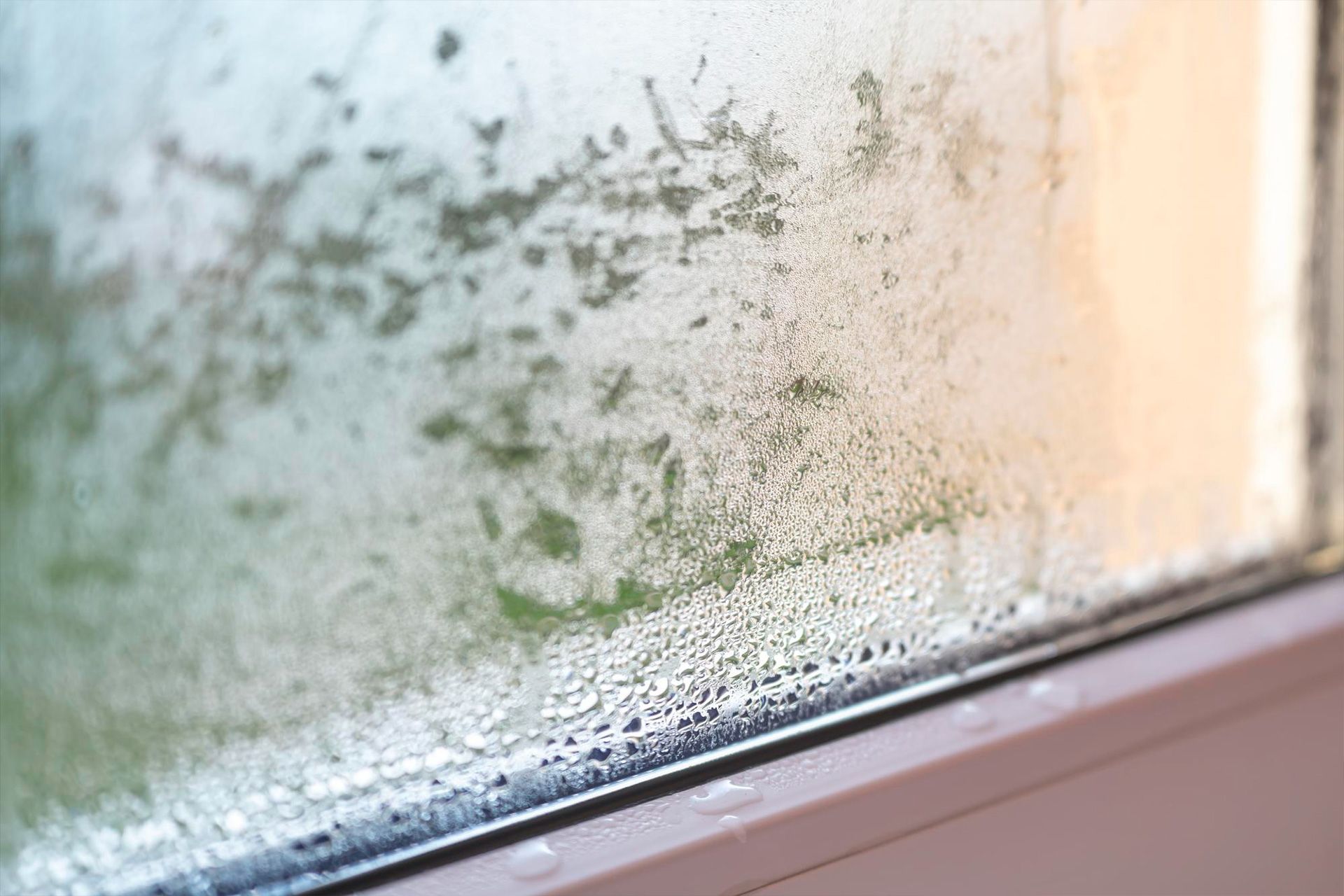
High Humidity
Your system should include strong dehumidification capabilities.
Salt Air (Coastal Areas)
Outdoor units should be corrosion-resistant.
Hurricane Protection
Proper mounting and placement are essential for storm safety.
Can You DIY Central AC Installation?
Short answer: No, not recommended.
Installing a central air system requires:
- Licensed HVAC technicians
- Electrical expertise
- Refrigerant handling certification
Improper installation can lead to:
- System failure
- Higher energy bills
- Safety risks
Experts strongly advise professional installation for reliability and compliance.
How Long Does Installation Take?
Most central air conditioning install projects take:
- 1–2 days for standard homes
- Longer if ductwork is required
Timeline depends on:
- Home size
- System complexity
- Existing infrastructure
Cost of Central AC Installation
Typical cost ranges:
- Price varies for most homes
- Higher if new ductwork is needed
Factors affecting cost:
- System size
- Energy efficiency rating
- Labor and permits
While upfront costs are significant, central AC adds value and comfort to your home.
Old School Cooling: Why Installation Quality Matters
At Old School Cooling, we believe in doing things the right way, not the fast way.
A properly executed central air conditioning installation ensures:
- Maximum lifespan
- Lower energy bills
- Consistent cooling
- Fewer breakdowns
Cutting corners during installation is the #1 reason systems fail early.
Final Thoughts
Installing a central AC system is a major investment—but when done right, it transforms your home’s comfort and efficiency.
From system sizing to ductwork and final testing, every step plays a critical role. Whether you're upgrading an older home or building new, choosing experienced professionals ensures your system performs at its best for years to come.
Need expert central air conditioning installed in South Florida? Contact Old School Cooling today for reliable, professional service.
FAQs
How do I know what size AC I need?
A professional load calculation based on your home’s size, insulation, and layout determines the correct size.
Can I install central AC in an older home?
Yes, but it may require new ductwork or system modifications.
How often should I service my central AC?
At least once a year, ideally before summer.
What is the lifespan of a central AC system?
Typically 10–15 years with proper maintenance.
Is central AC worth the investment in Florida?
Absolutely, given the climate, it significantly improves comfort, air quality, and property value.
Disclaimer: The information on this website and blog is for general informational purposes only and is not professional advice. We make no guarantees of accuracy or completeness. We disclaim all liability for errors, omissions, or reliance on this content. Always consult a qualified professional for specific guidance.
Search Blog
Recent Posts