How to Clean Your Humidifier: A Step-by-Step Guide
Keeping your humidifier clean is critical for your health, comfort, and indoor air quality. A humidifier adds moisture to the air, which helps reduce dryness, improve breathing, and support better sleep. But when it is not cleaned properly, it can do the opposite. Instead of improving air quality, it can spread mold, bacteria, and minerals into the air you breathe every day.
Many homeowners use humidifiers regularly, especially during dry weather, winter seasons, or when using strong air conditioning. However, most people forget one key step—cleaning it the right way and often enough. A dirty humidifier can quickly become a hidden source of indoor air pollution.
Learning how to clean your humidifier is simple, but it makes a big difference in performance, safety, and lifespan. In this guide, you will learn step-by-step cleaning methods, common mistakes to avoid, and maintenance tips that help your humidifier last longer and work better.
Why Cleaning Your Humidifier Is Important
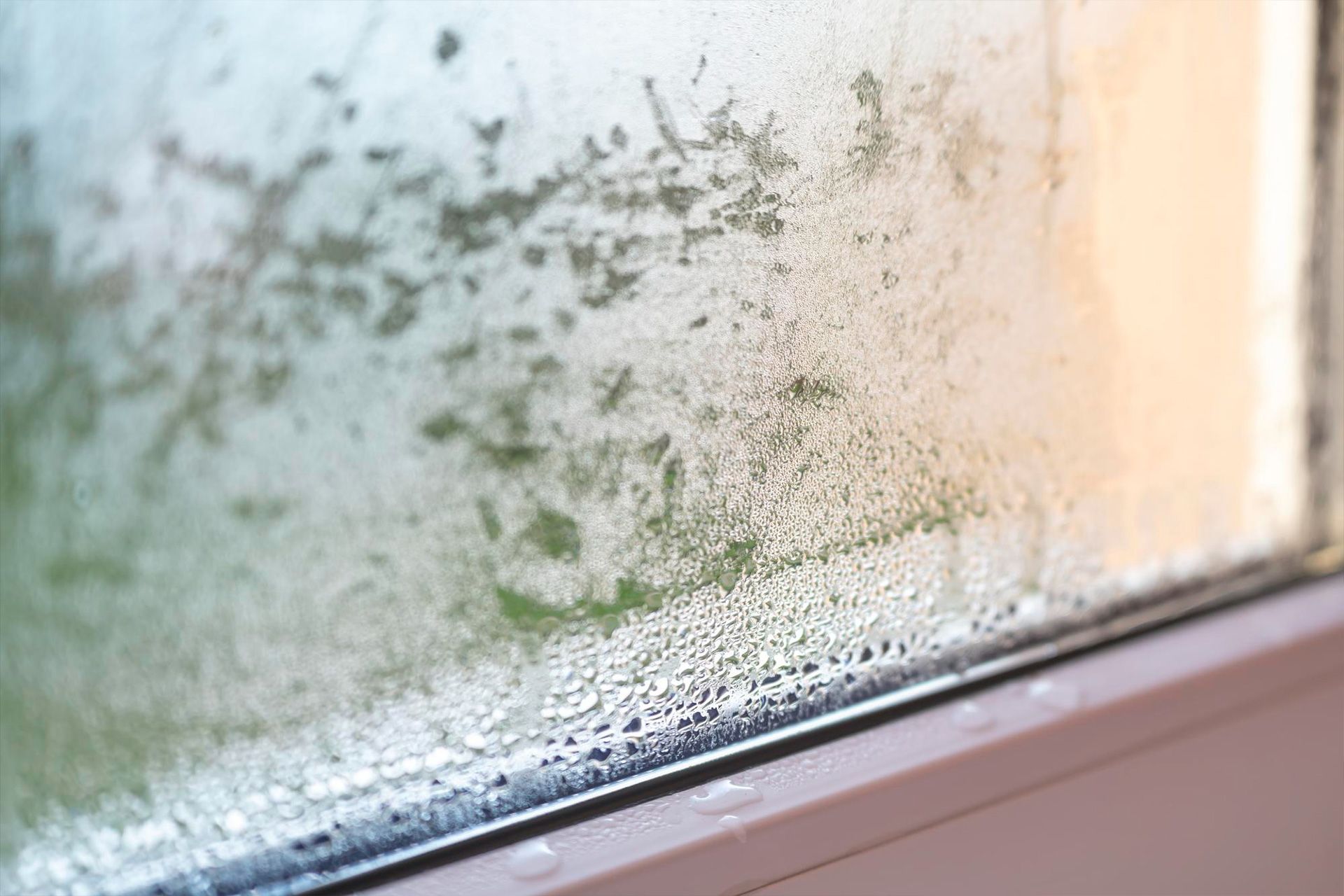
A humidifier holds water for long periods, and standing water is the perfect place for bacteria and mold to grow. Even if the water looks clean, harmful particles can still build up inside the tank, filter, and base of the machine.
When you turn on a dirty humidifier, it can release these particles into the air as fine mist. This means you are breathing in contaminated air without even realizing it.
A poorly maintained humidifier can cause:
- Musty or unpleasant odors in your room
- Spread of mold spores into the air
- Allergy flare-ups and breathing discomfort
- White dust from mineral buildup
- Reduced humidity control and performance
- Shorter lifespan of the device
Cleaning your humidifier regularly is not just about maintenance—it is about protecting your indoor air and your health.
How Often Should You Clean a Humidifier?
The cleaning schedule depends on how often you use your humidifier, but consistency is important.
Here is a simple routine:
- Daily: Empty and refill the tank with fresh water
- Every 2–3 days: Rinse the tank and wipe visible buildup
- Weekly: Deep cleaning with vinegar or cleaning solution
- Monthly: Full disinfection and inspection of all parts
If you use your humidifier every night or for long hours, weekly cleaning is strongly recommended to avoid bacteria buildup.
Step-by-Step Guide: How to Clean Your Humidifier
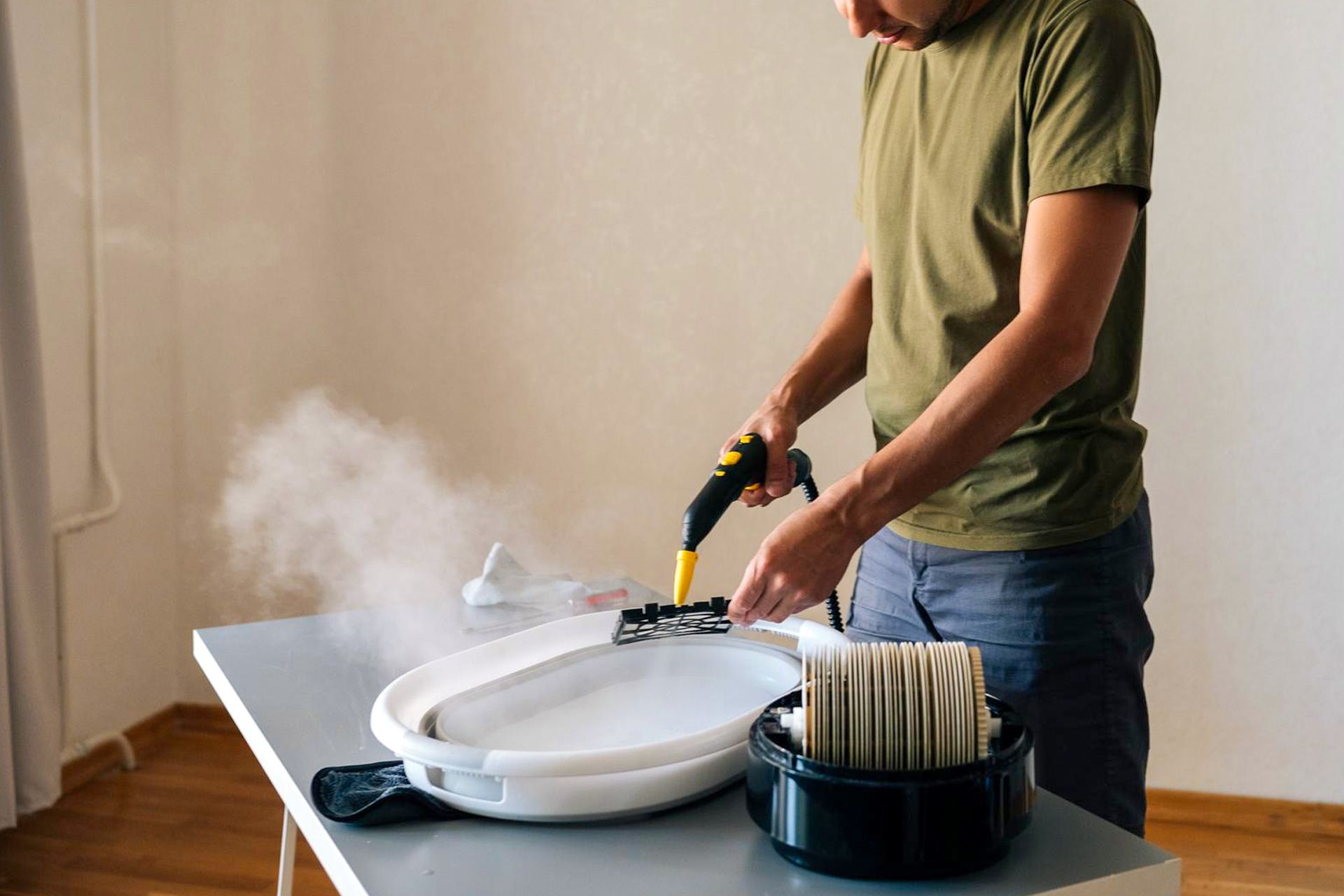
Cleaning your humidifier does not require special tools. You only need basic household items like water, vinegar, and a soft cloth or brush.
Step 1: Turn Off and Unplug the Device
Before starting any cleaning process, always switch off and unplug your humidifier. This is important for safety and prevents electrical damage.
Never clean the device while it is connected to power.
Step 2: Empty the Water Tank Completely
Remove the water tank and pour out all remaining water. Do not reuse old water, as it may contain bacteria or mineral deposits.
Shake the tank gently to remove leftover droplets.
Leaving stagnant water inside the humidifier is one of the fastest ways mold grows.
Step 3: Disassemble All Removable Parts
Take apart the humidifier carefully. Most units include:
- Water tank
- Base unit
- Mist nozzle
- Filters (if your model has one)
- Small caps or covers
Always refer to your product manual if you are unsure how to separate parts. Proper disassembly helps you clean hidden areas where buildup collects.
Step 4: Rinse with Warm Water
Rinse all parts using warm water. This helps remove light dust, dirt, and loose mineral deposits.
Do not use boiling water because it can damage plastic parts or weaken seals.
Rinsing first makes deep cleaning more effective.
Step 5: Clean Using Vinegar Solution
White vinegar is one of the safest and most effective natural cleaners for humidifiers. It helps break down mineral buildup and kills bacteria.
To use it properly:
- Mix equal parts white vinegar and warm water
- Fill the tank halfway with the solution
- Let it sit for 20–30 minutes
- Swirl gently inside the tank
For heavy buildup, you can leave it for up to one hour.
Vinegar helps remove hard water stains and prevents clogging in internal parts.
Step 6: Scrub Hard-to-Reach Areas
Some areas inside the humidifier cannot be cleaned just by soaking. Use a soft brush or sponge to clean:
- Tank corners
- Base water area
- Small openings
- Around the mist outlet
Avoid using harsh scrubbers or metal brushes, as they can damage the plastic surface.
Step 7: Rinse Everything Thoroughly
After cleaning with vinegar, rinse all parts several times with clean water. This step is very important because leftover vinegar can affect air quality and produce a strong smell when the humidifier is running.
Make sure no residue remains inside the tank or base.
Step 8: Optional Disinfection Step
For deeper cleaning, you can disinfect your humidifier using diluted hydrogen peroxide or a mild disinfectant solution.
Let it sit for a few minutes, then rinse thoroughly again.
This step is helpful if your humidifier has not been cleaned in a long time or has visible mold buildup.
Step 9: Dry All Parts Completely
Before reassembling, allow all parts to air dry completely. Place them on a clean towel in a dry area.
Do not rush this step. Moisture left inside the unit can quickly lead to mold growth again.
Step 10: Reassemble and Refill with Clean Water
Once everything is dry, reassemble your humidifier carefully. Fill it with fresh, clean water and plug it back in.
For best results, use distilled water instead of tap water.
Additional Maintenance Tips for Better Performance
To keep your humidifier clean for longer periods, follow these simple habits:
Use Distilled Water
Tap water contains minerals that create white dust and buildup inside the machine. Distilled water reduces this problem significantly.
Change Water Daily
Never leave water sitting inside the tank for more than 24 hours. Always replace it with fresh water.
Clean on Schedule
Do not wait for visible dirt. Clean your humidifier regularly even if it looks clean.
Keep It in a Clean Area
Avoid placing your humidifier near dusty or dirty surfaces.
Replace Filters When Needed
If your humidifier uses filters, replace them as recommended by the manufacturer.
Common Mistakes to Avoid
Many people unknowingly damage their humidifiers by making simple mistakes:
- Using bleach too often or in strong amounts
- Skipping rinsing after cleaning
- Leaving water in the tank for days
- Not cleaning hidden parts like the base
- Using dirty cloths or sponges
Avoiding these mistakes helps keep your humidifier safe and effective.
Signs Your Humidifier Needs Cleaning
If you notice any of these signs, your humidifier needs immediate cleaning:
- Bad or musty smell from the mist
- White dust around furniture
- Weak or uneven mist output
- Cloudy water inside the tank
- Increased allergy symptoms
These signs should not be ignored.
Benefits of a Clean Humidifier
A properly cleaned humidifier provides several benefits:
- Cleaner indoor air
- Better breathing comfort
- Reduced allergies and irritation
- Improved sleep quality
- Longer device lifespan
- No unpleasant odors
Clean equipment always performs better and lasts longer.
When to Replace Your Humidifier
Even with proper cleaning, humidifiers do not last forever. You should consider replacing your unit if:
- It is older than 5–7 years
- It continues to smell after cleaning
- Mist output is weak even after maintenance
- Parts are damaged or worn out
Conclusion
Knowing how to clean your humidifier is essential for maintaining clean indoor air and ensuring your device works safely and efficiently. Regular cleaning prevents mold growth, removes mineral buildup, and improves overall performance.
A well-maintained humidifier helps you breathe better, sleep more comfortably, and enjoy healthier air at home.
For complete indoor air quality support and HVAC maintenance, Old School Air Conditioning provides professional services to help keep your home environment clean, comfortable, and safe year-round.
FAQs
How often should I clean my humidifier?
You should clean it lightly every few days and deep clean it once a week.
Can I use vinegar to clean a humidifier?
Yes, vinegar is safe and effective for removing mineral buildup.
What happens if I don’t clean it?
Mold, bacteria, and mineral buildup can spread into the air.
Is distilled water better than tap water?
Yes, distilled water reduces mineral deposits and white dust.
Why does my humidifier smell bad?
It usually means mold or bacteria is growing inside the unit.
How long does a humidifier last?
Most humidifiers last around 5–7 years with proper maintenance.
Can a dirty humidifier make you sick?
Yes, it can release bacteria and mold into the air.
Disclaimer: The information on this website and blog is for general informational purposes only and is not professional advice. We make no guarantees of accuracy or completeness. We disclaim all liability for errors, omissions, or reliance on this content. Always consult a qualified professional for specific guidance.
Search Blog
Recent Posts