Why is my Carbon Monoxide Detector Beeping?
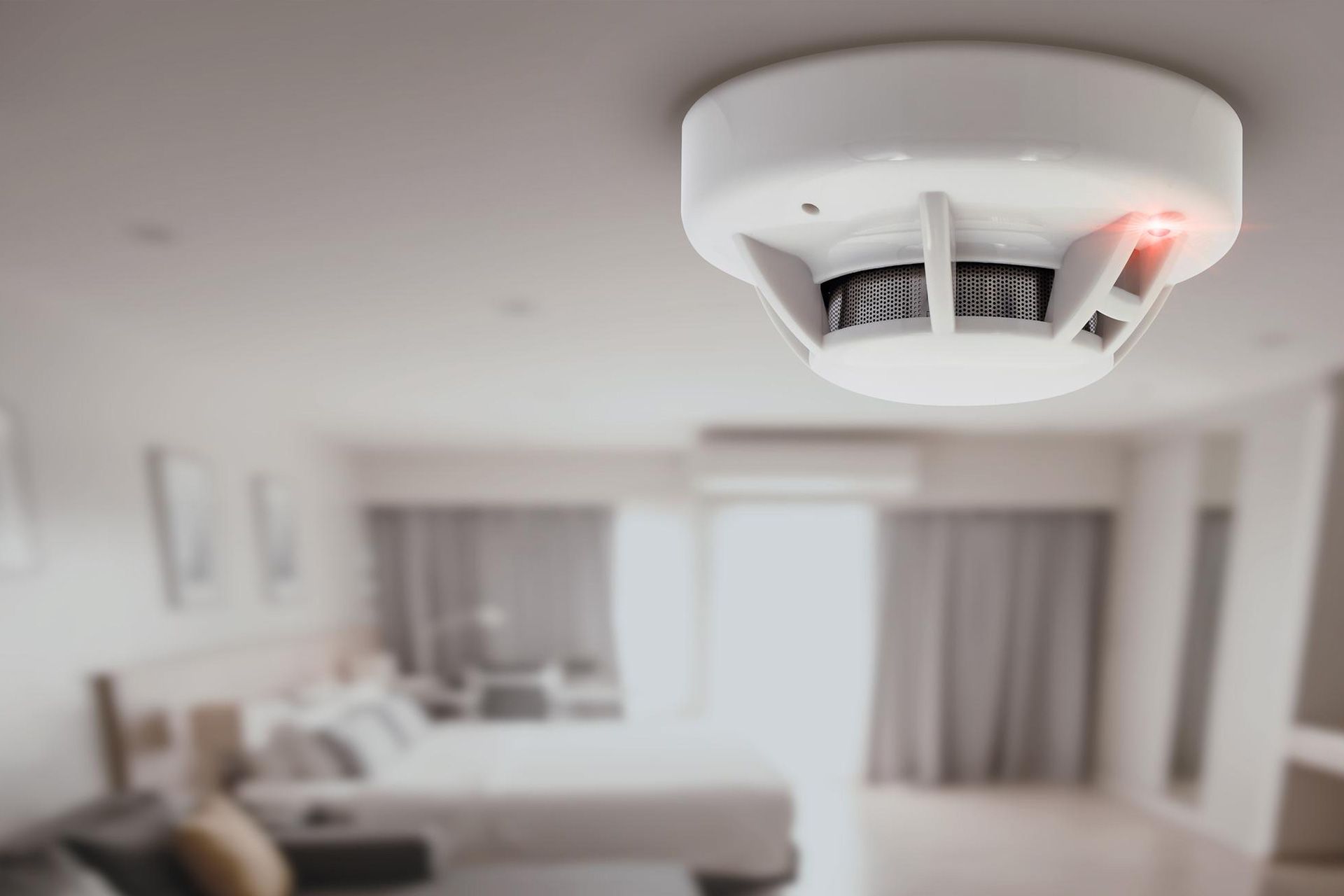
A beeping carbon monoxide detector can be alarming, especially if you don’t know what it means. While it may seem like a simple annoyance, it could be a warning of a serious issue. Carbon monoxide is a dangerous, invisible gas that can cause serious health problems if not detected early.
If your carbon monoxide detector is beeping, it’s important to understand why. Occasionally it’s a simple fix like low batteries, but other times it may signal a real safety risk. Knowing the difference can protect your home and your family.
In this guide, you’ll learn what different beep patterns mean, the most common causes, and what actions you should take right away.
What is carbon monoxide and why is it dangerous?
Carbon monoxide (CO) is a colorless, odorless gas produced by burning fuel. Common sources include:
- Gas furnaces
- Water heaters
- Stoves and ovens
- Fireplaces
- Generators
Because you cannot see or smell it, carbon monoxide is extremely dangerous. High levels can lead to serious health effects, including dizziness, confusion, and even death.
That’s why a carbon monoxide detector is essential in every home.
Why Is My Carbon Monoxide Detector Beeping?
There are several reasons your detector may be making noise. Not all beeps mean danger, but each one should be taken seriously.
1. Low Battery Warning
One of the most common reasons for a beeping detector is low battery.
Signs:
- Short chirp every 30–60 seconds
- Continuous beeping over time
What to Do:
Replace the batteries immediately. Even if the alarm stops, regular battery checks are important.
2. End of Life Signal
Carbon monoxide detectors do not last forever. Most units have a lifespan of 5–7 years.
Signs:
- Repeated chirp every 30 seconds
- Device labeled with manufacture date
Solution:
Replace the detector with a new one to ensure proper protection.
3. Real Carbon Monoxide Detection
If your detector senses carbon monoxide, it will sound a loud, continuous alarm.
Signs:
- Loud, repeated beeping pattern
- The alarm does not stop
What to Do Immediately:
- Leave your home right away
- Get fresh air
- Call emergency services
- Do not re-enter until it is safe
This is the most serious situation and requires immediate action.
4. Malfunction or Sensor Error
Occasionally the detector itself may be faulty.
Signs:
- Random or inconsistent beeping
- Alarm sounding without clear reason
Solution:
Reset the unit or replace it if the issue continues.
5. Dust or Dirt Inside the Detector
Dust can interfere with sensors and trigger false alarms.
Signs:
- Occasional chirping
- Unit located in dusty areas
Solution:
Clean the detector using a soft brush or vacuum.
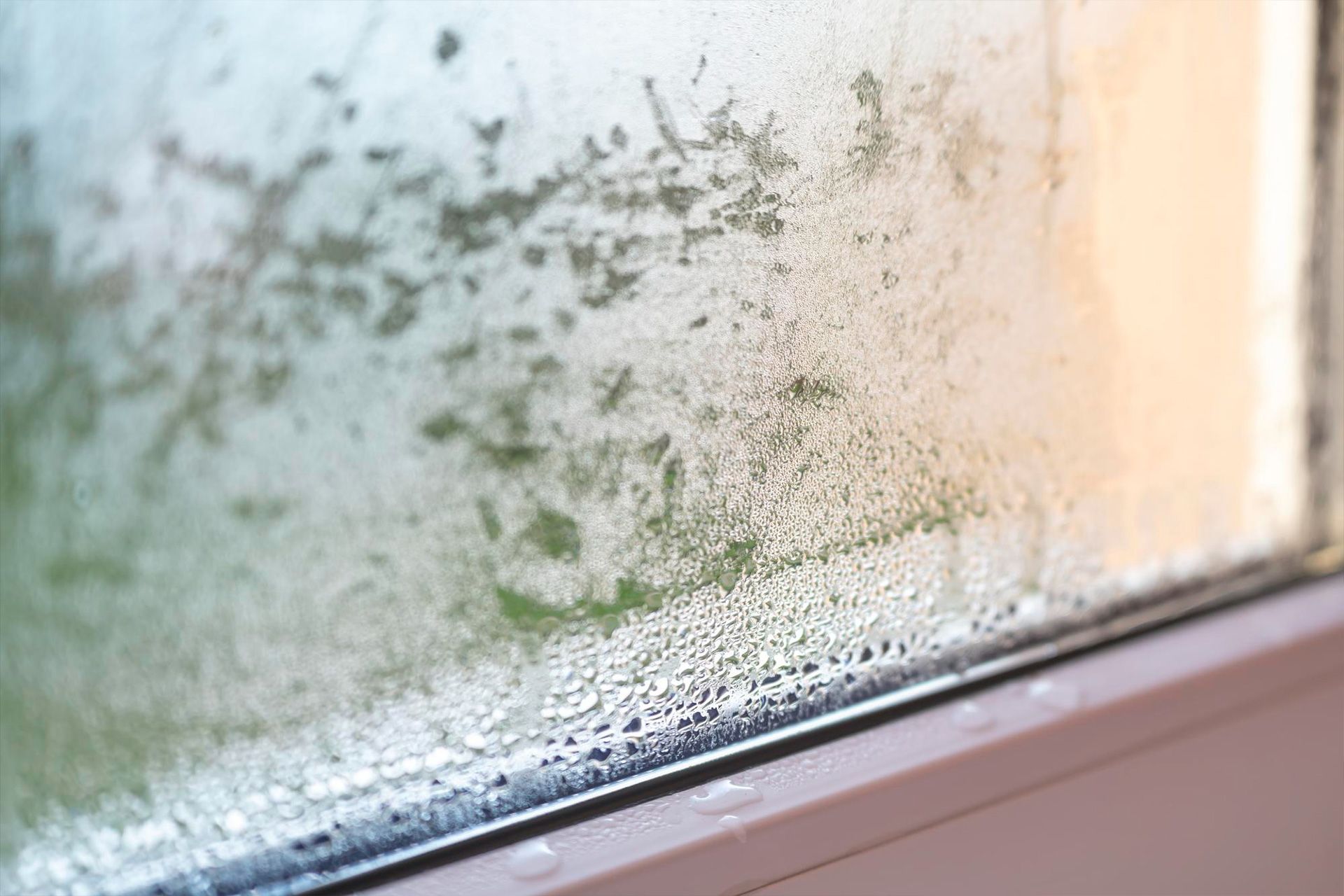
6. High Humidity or Temperature Changes
Environmental factors can affect detector performance.
Causes:
- Steam from bathrooms
- High humidity levels
- Extreme heat
Solution:
Relocate the detector if needed and ensure proper placement.
7. Electrical Issues
Hardwired detectors may beep due to electrical problems.
Signs:
- Beeping during power outages
- Inconsistent alarm behavior
Solution:
Check power connections or consult a professional.
Understanding Different Beep Patterns
Different sounds mean different things. Knowing these patterns helps you respond correctly.
- One chirp every 30–60 seconds: Low battery
- Continuous loud alarm: Carbon monoxide detected
- Chirping at regular intervals: End of life warning
- Random beeping: Possible malfunction or dirt buildup
Always refer to your detector’s manual for exact patterns.
What to Do When Your Detector Beeps
Follow these steps based on the situation:
Step 1: Stay Calm
Do not panic. Identify the type of beep.
Step 2: Check for Danger
If it’s a continuous alarm, leave your home immediately.
Step 3: Inspect the Device
Check batteries, dust, and placement.
Step 4: Reset the Detector
Use the reset button after addressing the issue.
Step 5: Replace If Needed
If the unit is old or faulty, install a new one.
How to Prevent Carbon Monoxide Issues
Prevention is key to keeping your home safe from carbon monoxide. A few simple steps can reduce risks and help your detector work properly.
1. Install Detectors Properly
Place detectors near bedrooms and living areas so they can alert you quickly. Avoid placing them near windows, doors, or vents where airflow may affect readings.
2. Replace Batteries Regularly
Check batteries at least twice a year. Replace them immediately if you hear a low-battery warning so your detector stays reliable.
3. Schedule HVAC Maintenance
Regular HVAC maintenance helps ensure your furnace and other gas appliances are working safely and not leaking harmful gases.
4. Keep Vents Clear
Make sure air vents, chimneys, and exhaust outlets are not blocked. Proper airflow helps prevent gas buildup inside your home.
5. Avoid Indoor Use of Generators
Never use generators or fuel-burning devices indoors or in closed spaces like garages, as they can quickly produce dangerous carbon monoxide levels.
Signs of Carbon Monoxide Exposure
If your detector is beeping due to CO, you may notice symptoms such as the following:
- Headaches
- Dizziness
- Nausea
- Confusion
- Shortness of breath
If you experience these symptoms, leave immediately and seek medical attention.
When to Call a Professional
You should contact an expert if:
- The detector continues beeping after battery replacement
- You suspect gas leaks or appliance issues
- The unit is hardwired and malfunctioning
- You need help installing or replacing detectors
Professional inspection ensures your home is safe and your systems are functioning properly.
Why Carbon Monoxide Safety Matters
Carbon monoxide poisoning can happen quickly and without warning. A working detector is your primary safeguard.
Ignoring warning signs or delaying action can lead to serious consequences. Always treat a beeping detector as a priority.
Conclusion
If your carbon monoxide detector is beeping, it’s important to understand the cause and take action quickly. Whether it’s a low battery, end-of-life warning, or a real emergency, responding properly can protect your home and your family.
For complete home safety and HVAC system checks, Old School Air Conditioning offers professional inspection and maintenance services. Their experienced team ensures your heating and cooling systems operate safely and efficiently, helping prevent carbon monoxide risks. With Old School Air Conditioning, you can have peace of mind knowing your home is protected year-round.
FAQs
Why is my carbon monoxide detector beeping every 30 seconds?
This usually indicates a low battery or end-of-life warning.
What does a continuous alarm mean?
It means carbon monoxide is detected. Leave your home immediately.
How long do carbon monoxide detectors last?
Most detectors last 5–7 years before needing replacement.
Can dust cause false alarms?
Yes, dust can interfere with sensors and trigger beeping.
Should I ignore occasional beeping?
No, every beep should be checked to ensure safety.
Where should detectors be installed?
Near bedrooms and living areas for maximum protection.
When should I replace my detector?
Replace it after 5–7 years or if it malfunctions.
Disclaimer: The information on this website and blog is for general informational purposes only and is not professional advice. We make no guarantees of accuracy or completeness. We disclaim all liability for errors, omissions, or reliance on this content. Always consult a qualified professional for specific guidance.
Search Blog
Recent Posts