7 Water Heater Maintenance Signs You Shouldn’t Ignore
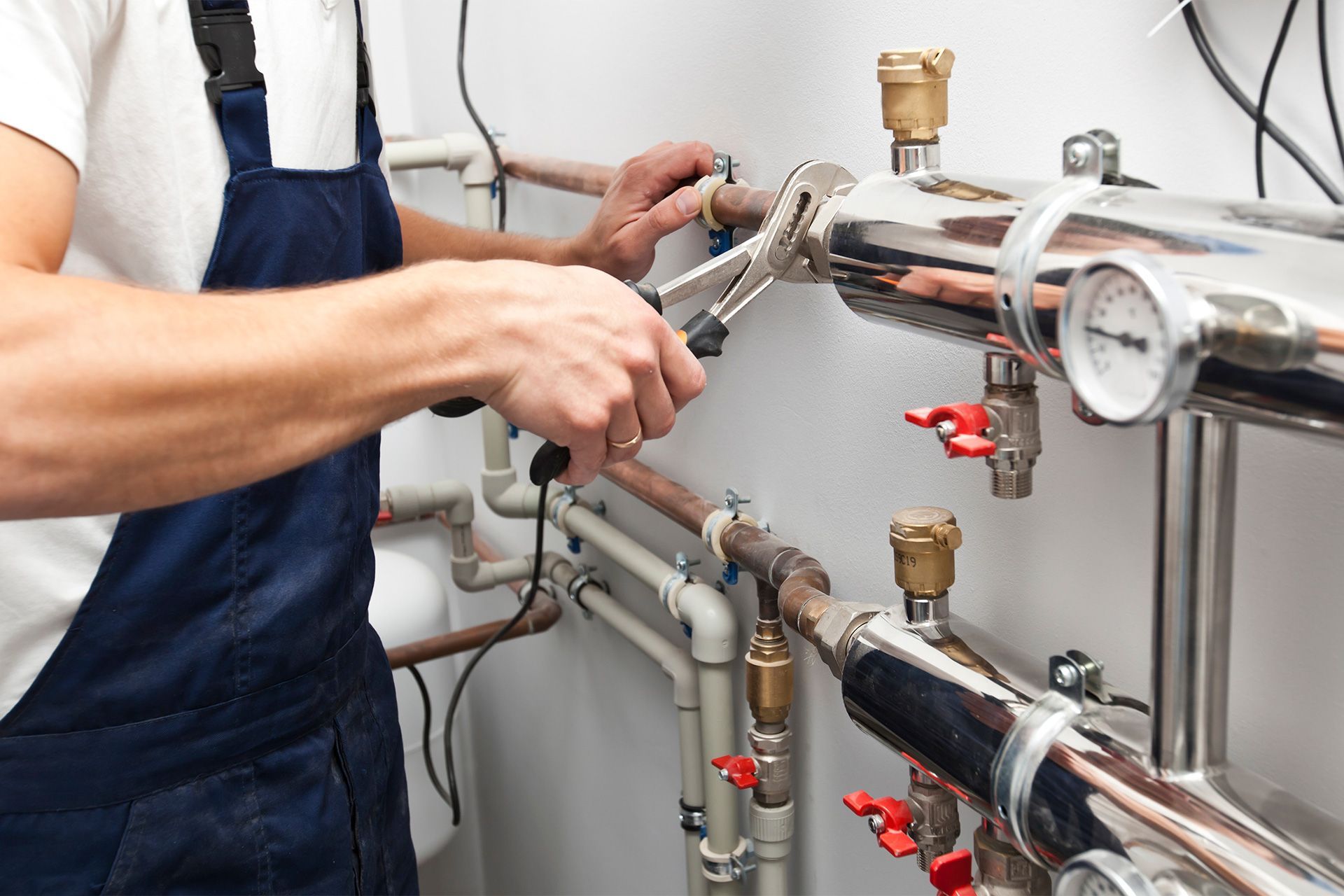
Your water heater works hard every day to provide hot water for showers, dishes, laundry, and more. Because it’s often hidden away in a closet or garage, many homeowners forget about it, until something goes wrong.
Ignoring early warning signs can lead to cold showers, water damage, or costly replacements. Knowing when to schedule water heater maintenance or water heater repair can save you time, money, and stress.
Below are 7 water heater maintenance signs you shouldn’t ignore, plus what they mean and how to fix them before they become major problems.
1. Your Hot Water Runs Out Too Fast
If your hot water doesn’t last as long as it used to, your water heater may be struggling.
What’s happening?
Over time, sediment builds up at the bottom of the tank. This sediment takes up space and reduces how much hot water your system can store.
Why it matters
Less hot water means your unit is working harder, which increases energy use and wear.
What to do
A professional water heater flush service can remove sediment and help restore performance. If ignored, you may need a full water heater repair or replacement.
2. Rusty or Discolored Hot Water
Turn on your hot water tap and notice brown, red, or cloudy water? That’s a sign something is wrong.
What’s happening?
Rust inside the tank or pipes can cause discoloration. This often happens when the anode rod (which protects the tank from corrosion) wears out.
Why it matters
Rust means your tank may be breaking down from the inside. If left untreated, leaks are likely.
What to do
Call a professional to inspect your water heater. Replacing the anode rod or scheduling maintenance can prevent major damage.
3. Strange Noises Coming from the Tank
Popping, banging, or rumbling sounds from your water heater are never a good sign.
What’s happening?
Sediment hardens at the bottom of the tank. When water heats under this layer, it causes noise.
Why it matters
The heater must work harder, which shortens its lifespan and raises energy bills.
What to do
A routine water heater flush service can clear out sediment and quiet the system. This is one of the most common water heater maintenance fixes.
4. Water Leaks Around the Water Heater
Seeing water pooling near your unit is a warning sign you should never ignore.
What’s happening?
Leaks can come from loose valves, damaged connections, or cracks in the tank.
Why it matters
Even small leaks can lead to water damage, mold growth, and system failure.
What to do
Turn off the water supply and contact a professional right away. Quick water heater repair may stop the problem before replacement is needed.
5. Inconsistent Water Temperature
Does your water suddenly turn cold or fluctuate between hot and warm?
What’s happening?
This often points to failing heating elements, a broken thermostat, or sediment buildup.
Why it matters
Temperature problems affect comfort and signal internal wear.
What to do
Professional water heater maintenance can identify faulty parts and restore consistent hot water.
6. Higher Energy Bills Without Explanation
If your utility bills increase but your water usage stays the same, your water heater may be the reason.
What’s happening?
Sediment buildup or worn parts make the system work harder to heat water.
Why it matters
An inefficient water heater wastes energy and money every month.
What to do
Regular water heater maintenance improves efficiency and keeps operating costs low. A simple flush service can make a big difference.
7. Your Water Heater Is Over 8–10 Years Old
Age alone can be a warning sign, even if everything seems fine.
What’s happening?
Most tank water heaters last about 8–12 years. Parts wear out over time.
Why it matters
Older systems are more likely to fail suddenly and cause water damage.
What to do
Schedule a professional inspection. Preventive water heater repair or maintenance can extend its life and help you plan ahead.
Why Regular Water Heater Maintenance Is Important
Routine water heater maintenance helps:
- Extend the life of your system
- Improve energy efficiency
- Prevent leaks and breakdowns
- Reduce repair costs
- Ensure reliable hot water
Many homeowners skip maintenance until there’s a problem—but regular service is far cheaper than emergency repairs or replacement.
How Often Should You Schedule a Water Heater Flush Service?
A water heater flush service is usually recommended once a year, especially in areas with hard water. Flushing removes sediment, improves heating performance, and protects internal parts.
If you notice noise, cloudy water, or reduced hot water, it may be time for a flush sooner.
Professional Water Heater Repair vs. DIY Fixes
While some basic checks are safe, most water heater repair should be handled by licensed professionals.
DIY risks include:
- Electrical hazards
- Gas leaks
- Incorrect part installation
- Voided warranties
Professional technicians have the tools and experience to fix problems safely and correctly.
Trust Old School Cooling for Water Heater Service
Your water heater is too important to ignore. Catching problems early can save money and prevent major headaches.
Call Old School Cooling today to schedule professional water heater maintenance or repair and keep your hot water running strong.
FAQs About Water Heater Maintenance
How long does a water heater usually last?
Most tank-style water heaters last 8 to 12 years with proper maintenance.
Is water heater maintenance really necessary?
Yes. Regular water heater maintenance prevents breakdowns, improves efficiency, and extends system life.
What is included in a water heater flush service?
A flush service removes sediment from the tank, checks valves, and improves overall performance.
Can sediment damage my water heater?
Yes. Sediment buildup causes overheating, noise, reduced efficiency, and can lead to tank failure.
When should I call for water heater repair?
Call for water heater repair if you notice leaks, no hot water, strange noises, or discolored water.
Disclaimer: The information on this website and blog is for general informational purposes only and is not professional advice. We make no guarantees of accuracy or completeness. We disclaim all liability for errors, omissions, or reliance on this content. Always consult a qualified professional for specific guidance.
Search Blog
Recent Posts