At What Temperature Do Heat Pumps Stop Working?
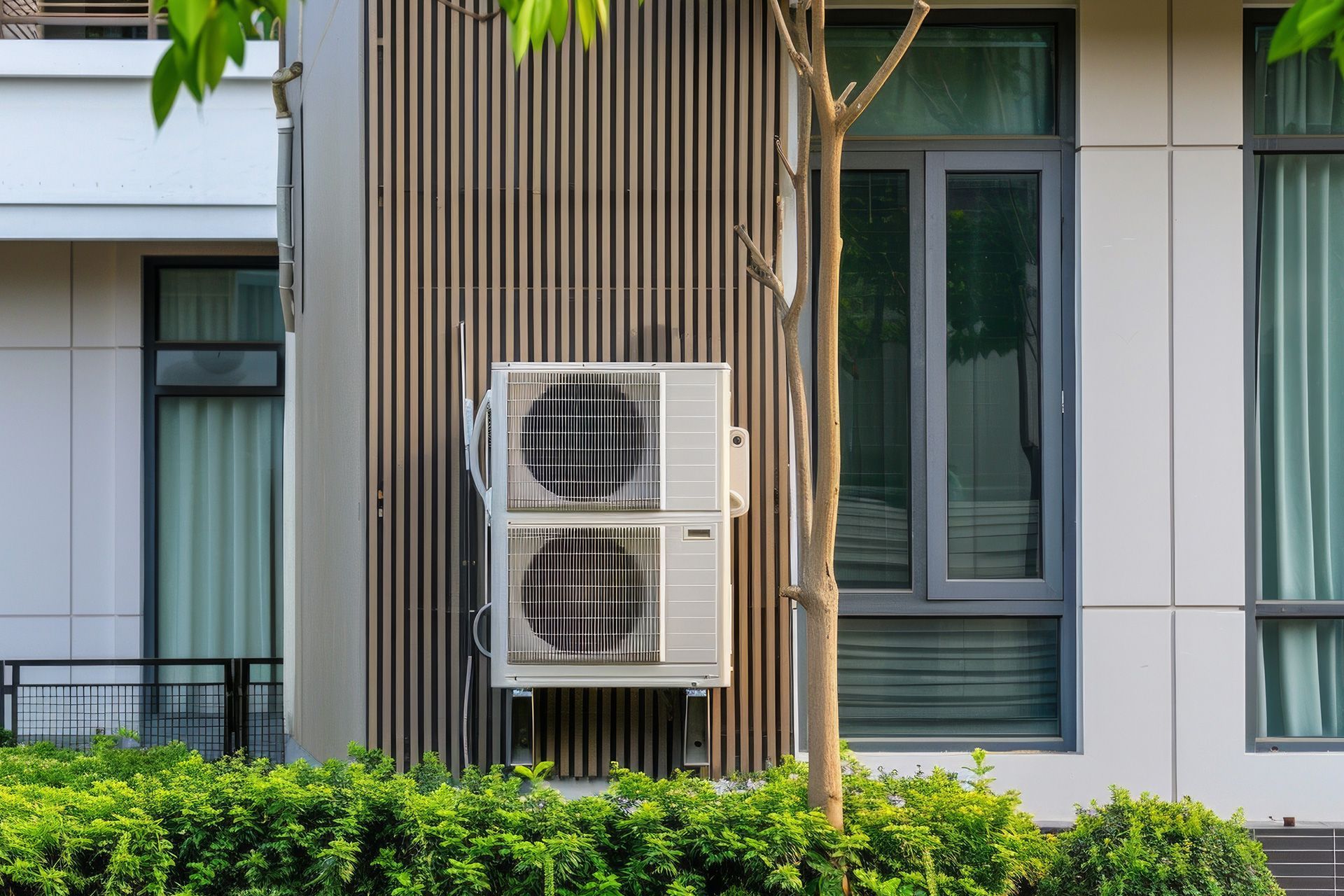
Heat pumps are popular across the USA because they are energy-efficient and can both heat and cool your home. But many homeowners ask the same question when winter arrives: At what temperature do heat pumps stop working? If your heat pump stopped working, or your heat pump heat was not working as expected, cold weather may be the reason.
In this guide, we’ll explain how heat pumps work in cold temperatures, the typical heat pump temperature range, and what to do if your heat pump is not working properly during winter.
How Does a Heat Pump Work?
A heat pump does not create heat like a furnace. Instead, it moves heat from one place to another.
- In winter,
it pulls heat from the outside air and moves it into your home.
- In summer,
it does the opposite by removing heat from inside your home.
Even when it feels cold outside, there is still heat in the air. A heat pump is designed to collect that heat and bring it indoors. However, the colder it gets, the harder this job becomes.
Understanding the Heat Pump Temperature Range
The heat pump temperature range refers to the outdoor temperatures where a heat pump works efficiently and where it starts to struggle.
Best Temperature Range for Heat Pumps
Most standard heat pumps work best when outdoor temperatures are above 40°F. At this level:
- The system runs efficiently
- Energy costs stay lower
- Your home stays comfortably warm
What Happens Below 40°F?
When temperatures drop below 40°F:
- The heat pump still works, but efficiency goes down
- The system needs more energy to heat your home
- You may notice longer run times
Below 30°F: Reduced Performance
Between 25°F and 30°F, many homeowners start to notice:
- Rooms feel less warm
- The system runs almost constantly
- Backup heat may turn on
This is often when people think their heat pump stopped working, even though it’s still running.
Below 25°F: Backup Heat Takes Over
Below about 25°F, most standard heat pumps struggle to pull enough heat from the air. At this point:
- The heat pump may not produce enough heat on its own
- Electric or gas backup heat turns on
- Energy bills may increase
Heat pumps usually do not shut off completely, but they rely heavily on backup heat at these temperatures.
Do Heat Pumps Ever Fully Stop Working?
In most cases, heat pumps do not stop working at a single temperature. Instead:
- Efficiency slowly drops as temperatures fall
- Heating output becomes weaker
- Backup heat becomes necessary
Modern cold-climate heat pumps are designed to work in much colder temperatures. Some newer models can still provide heat at 0°F or even lower, though efficiency is still reduced.
Why It Feels Like Your Heat Pump Is Not Working
If your home feels cold, it doesn’t always mean something is broken. Here are common reasons people think their heat pump is not working in winter.
1. The System Is in Defrost Mode
In freezing weather, frost can build up on the outdoor unit. To fix this:
- The system switches to defrost mode
- Heating pauses briefly while ice melts
- Warm air may stop coming from vents for a short time
This is normal and temporary.
2. Backup Heat Is Running
When it gets very cold:
- The heat pump may slow down
- Backup heat provides most of the warmth
Backup heat feels different than heat pump heat and may make the system seem less effective.
3. Heat Pump Heat Not Working Fast Enough
Heat pumps deliver steady, gentle heat. They do not blow very hot air like furnaces. This can make it feel like your heat pump heat not working, especially during very cold days.
Signs Your Heat Pump May Actually Have a Problem
While cold weather affects performance, there are times when a real issue exists. Call a professional if you notice:
- Cold air blowing constantly
- Ice buildup that does not melt
- Loud or unusual noises
- Sudden high energy bills
- The system will not turn on at all
These signs may mean your heat pump truly stopped working and needs repair.
How to Help Your Heat Pump Work Better in Cold Weather
You can improve performance and comfort with a few smart steps.
Keep Up With Maintenance
Regular maintenance helps your heat pump:
- Run more efficiently
- Handle cold temperatures better
- Last longer
Dirty filters and coils can make cold-weather problems worse.
Use a Programmable Thermostat
Avoid large temperature changes. Setting your thermostat too high forces backup heat to turn on more often.
Seal and Insulate Your Home
Good insulation keeps warm air inside, reducing strain on your heat pump.
Consider a Cold-Climate Heat Pump
If you live in an area with freezing winters, a cold-climate model may be a better long-term solution.
Heat Pump Temperature Range: Quick Overview
- Above 40°F:
Best efficiency and comfort
- 30–40°F:
Works well, but less efficient
- 25–30°F:
Backup heat may start
- Below 25°F:
Heat pump struggles, backup heat needed
- Below 0°F:
Standard units rely mostly on backup heat
Final Thoughts
Heat pumps are reliable and efficient, but cold weather affects how they perform. Understanding the heat pump temperature range helps you know what’s normal and when there may be a problem. If your heat pump is not working or your heat pump heat is not working during winter, it may be due to outdoor temperatures, not a system failure.
Need help with your heat pump this winter? Contact Old School Cooling today for expert service and reliable comfort year-round.
FAQs About Heat Pumps and Cold Weather
At what temperature do heat pumps stop working?
Heat pumps usually do not stop working completely. Most standard systems lose efficiency below 25–30°F and rely on backup heat in very cold weather.
Why does my heat pump run all the time in winter?
This is normal. Cold air contains less heat, so the system must run longer to warm your home.
Is it normal for my heat pump to blow cooler air?
Yes. Heat pumps produce warm, not hot, air. It may feel cooler than furnace heat but still warms your home over time.
Can heat pumps work in freezing temperatures?
Yes. Most heat pumps work below freezing, but efficiency drops, and backup heat often turns on.
What should I do if my heat pump stopped working?
Check your thermostat, filters, and breakers first. If the issue continues, contact an HVAC professional for inspection and repair.
Disclaimer: The information on this website and blog is for general informational purposes only and is not professional advice. We make no guarantees of accuracy or completeness. We disclaim all liability for errors, omissions, or reliance on this content. Always consult a qualified professional for specific guidance.
Search Blog
Recent Posts