6 Signs of a Bad AC Compressor in Your Home
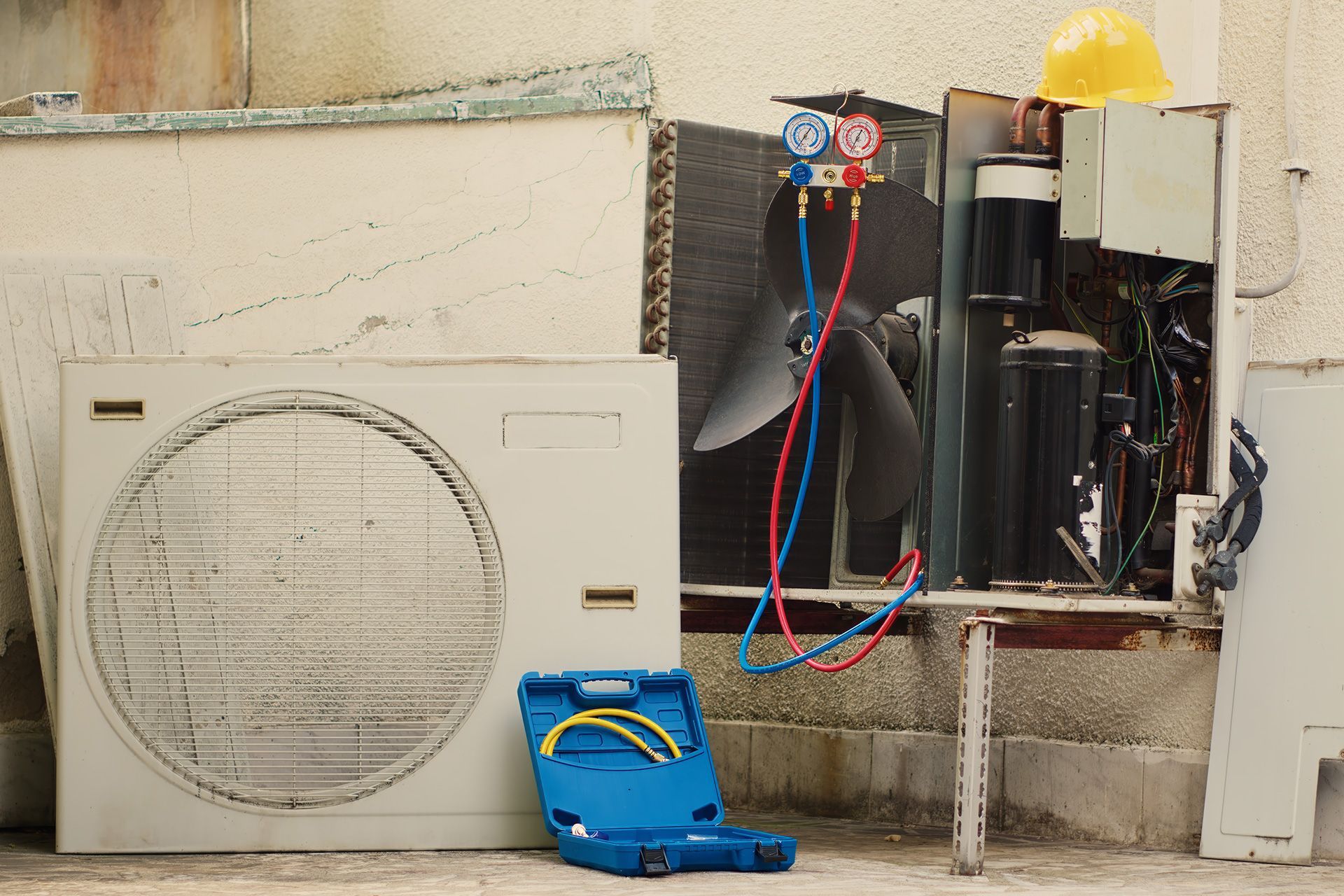
Your air conditioner works hard to keep your home cool, especially during hot summer months. At the center of your cooling system is the AC compressor. When it stops working properly, your whole system can struggle or stop completely.
Knowing the early bad AC compressor symptoms can help you avoid major repairs, high energy bills, and uncomfortable days without cool air. In this guide, we’ll break down the 6 most common signs of a bad AC compressor in your home, explain what they mean, and share when it’s time to call a professional.
What Does a Home AC Compressor Do?
The home AC compressor is often called the “heart” of your air conditioning system. Its job is to move refrigerant through the system so heat can be removed from your home.
Here’s what it does in simple terms:
- Pressurizes refrigerant
- Moves heat from inside your home to the outside
- Helps your AC blow cool air through vents
If the AC compressor is not working, your system may run but won’t cool properly—or won’t turn on at all.
1. Warm Air Coming From Your Vents
One of the clearest bad AC compressor symptoms is warm air blowing from your vents, even when the thermostat is set to cool.
What This Means
When the compressor fails, it can’t move refrigerant correctly. Without refrigerant flow, your AC can’t remove heat from your home.
What to Watch For
- AC runs but air feels warm or slightly cool
- Home never reaches the set temperature
- Cooling gets worse during hotter parts of the day
Warm air can also be caused by low refrigerant or electrical problems, but a failing compressor is often the root issue.
2. AC Compressor Not Turning On
If your AC compressor is not working, you may notice that the outdoor unit does not turn on at all.
Common Signs
- Indoor fan runs, but outdoor unit is silent
- No humming or vibration from the condenser
- AC system cycles on and off quickly
Possible Causes
- Electrical failure
- Overheating compressor
- Worn internal components
When a compressor won’t start, it usually needs professional diagnosis. Ignoring this issue can cause further damage to the system.
3. Strange or Loud Noises From the AC Unit
Your air conditioner should not make loud or unusual noises. Grinding, rattling, or banging sounds are serious bad AC compressor symptoms.
Noises That Signal Trouble
- Grinding:
Internal motor failure
- Clanking or banging:
Loose or broken parts
- Buzzing:
Electrical problems or failing compressor
A noisy compressor often means internal damage. These issues rarely fix themselves and can worsen quickly if ignored.
4. Tripped Circuit Breaker or Electrical Issues
If your breaker keeps tripping when the AC turns on, your compressor may be struggling.
Why This Happens
A failing home AC compressor can draw too much power as it tries to start or operate. This overload causes the circuit breaker to trip for safety.
Warning Signs
- Breaker trips only when AC runs
- AC shuts off suddenly
- Burnt smell near the outdoor unit
Electrical problems tied to compressors should be handled by licensed HVAC professionals to avoid safety risks.
5. Poor or Uneven Cooling Throughout the Home
When the compressor starts to fail, your AC may cool some rooms but not others.
Common Cooling Problems
- Hot spots in certain rooms
- Weak airflow
- AC runs longer than normal
Since the compressor controls refrigerant flow, any issue can reduce your system’s ability to cool evenly. This often leads to higher energy bills as the system works harder to compensate.
6. Higher Energy Bills With No Explanation
A sudden spike in your electric bill is another major warning sign.
How a Bad Compressor Raises Bills
- AC runs longer to reach temperature
- Compressor struggles to maintain pressure
- System efficiency drops
If your usage hasn’t changed but your AC bill has gone up, your AC compressor not working efficiently could be the reason.
What Causes a Home AC Compressor to Go Bad?
Several factors can lead to compressor failure, including:
- Lack of regular maintenance
- Dirty condenser coils
- Low refrigerant levels
- Electrical issues
- Normal wear and tear
Regular tune-ups can help catch small problems before they turn into costly compressor replacements.
Can You Repair a Bad AC Compressor?
In some cases, minor compressor-related issues can be repaired. However, full compressor failure often requires replacement.
Repair vs. Replacement
- Repair
may work for electrical or start capacitor issues
- Replacement
is common for internal compressor damage
A professional HVAC technician can inspect your system and recommend the most cost-effective option based on the age and condition of your AC.
When Should You Call a Professional?
You should call an HVAC expert if:
- Warm air continues despite thermostat settings
- Your AC compressor is not working at all
- You hear loud or unusual noises
- Breakers keep tripping
- Cooling problems persist
Delaying repairs can lead to complete system failure and higher costs.
Final Thoughts
Your AC compressor plays a huge role in keeping your home comfortable. By learning these bad AC compressor symptoms, you can spot problems early and protect your system from major damage.
If you think your home AC compressor is failing, contact Old School Cooling today for fast, professional AC inspection and repair.
FAQs About Bad AC Compressors
How long does a home AC compressor last?
Most home AC compressors last 10 to 15 years with proper maintenance. Poor upkeep can shorten its lifespan.
Can an AC run without a working compressor?
No. If the compressor fails, your AC cannot cool your home properly, even if fans are running.
Is it expensive to replace an AC compressor?
Compressor replacement can be costly, depending on system size and age. In older systems, replacing the entire AC unit may be more cost-effective.
What happens if I keep using an AC with a bad compressor?
Continuing to run a system with a failing compressor can cause more damage, higher energy bills, and total system breakdown.
How can I prevent compressor problems?
Regular AC maintenance, clean coils, proper refrigerant levels, and timely repairs can help prevent compressor failure.
Disclaimer: The information on this website and blog is for general informational purposes only and is not professional advice. We make no guarantees of accuracy or completeness. We disclaim all liability for errors, omissions, or reliance on this content. Always consult a qualified professional for specific guidance.
Search Blog
Recent Posts