What Is an AC Condenser and How Does It Work?
If your home feels cool and comfortable during hot weather, you can thank your ac condenser for doing a big part of the job. While many people focus on the thermostat or indoor unit, the ac condenser unit works outside your home to remove heat and keep your air conditioner running smoothly.
In this guide, we’ll explain what an AC condenser is, how it works, and why it’s so important for your cooling system.
What Is an AC Condenser?
An ac condenser, also known as a condenser unit, is the outdoor part of your air conditioning system. It is usually a large metal box with a fan on top or on the side. This unit works together with the indoor components of your air conditioner to remove heat from your home.
The main job of air conditioner condensers is to release heat that was pulled from inside your house. Without a working condenser unit, your air conditioner would not be able to cool your home.
In short:
- The ac condenser removes heat from your home
- It helps change hot refrigerant gas back into a liquid
- It keeps the cooling cycle moving
Why Is the AC Condenser Important?
The ac condenser unit plays a key role in the cooling process. When your air conditioner runs, it doesn’t create cold air. Instead, it moves heat from inside your home to the outside. The condenser is the part that pushes that heat away.
If the condenser unit is dirty, damaged, or not working properly, your system may:
- Cool your home slowly
- Use more energy
- Increase your electricity bills
- Wear out other AC parts faster
That’s why keeping your ac condenser in good shape is important for comfort and savings.
How Does an AC Condenser Work?
Understanding how an ac condenser works is easier when you look at the air conditioning cycle step by step.
Step 1: Heat Is Collected Inside Your Home
Warm air from inside your house passes over the indoor coil. The refrigerant inside this coil absorbs heat, cooling the air that is sent back into your rooms.
Step 2: Refrigerant Travels Outside
After absorbing heat, the refrigerant turns into a warm gas and flows through refrigerant lines to the outdoor ac condenser unit.
Step 3: The Compressor Increases Pressure
Inside the condenser unit, the compressor squeezes the refrigerant gas. This increases its temperature and pressure, preparing it to release heat.
Step 4: Heat Is Released Outdoors
The hot refrigerant moves through the condenser coils. A powerful fan blows outdoor air across these coils, allowing heat to escape into the air outside your home.
As the heat leaves, the refrigerant cools down and turns back into a liquid.
Step 5: The Cooling Cycle Repeats
The cooled liquid refrigerant flows back inside, ready to absorb more heat. This cycle continues until your home reaches the set temperature.
Main Parts of an AC Condenser Unit
A condenser unit contains several important parts that work together to remove heat.
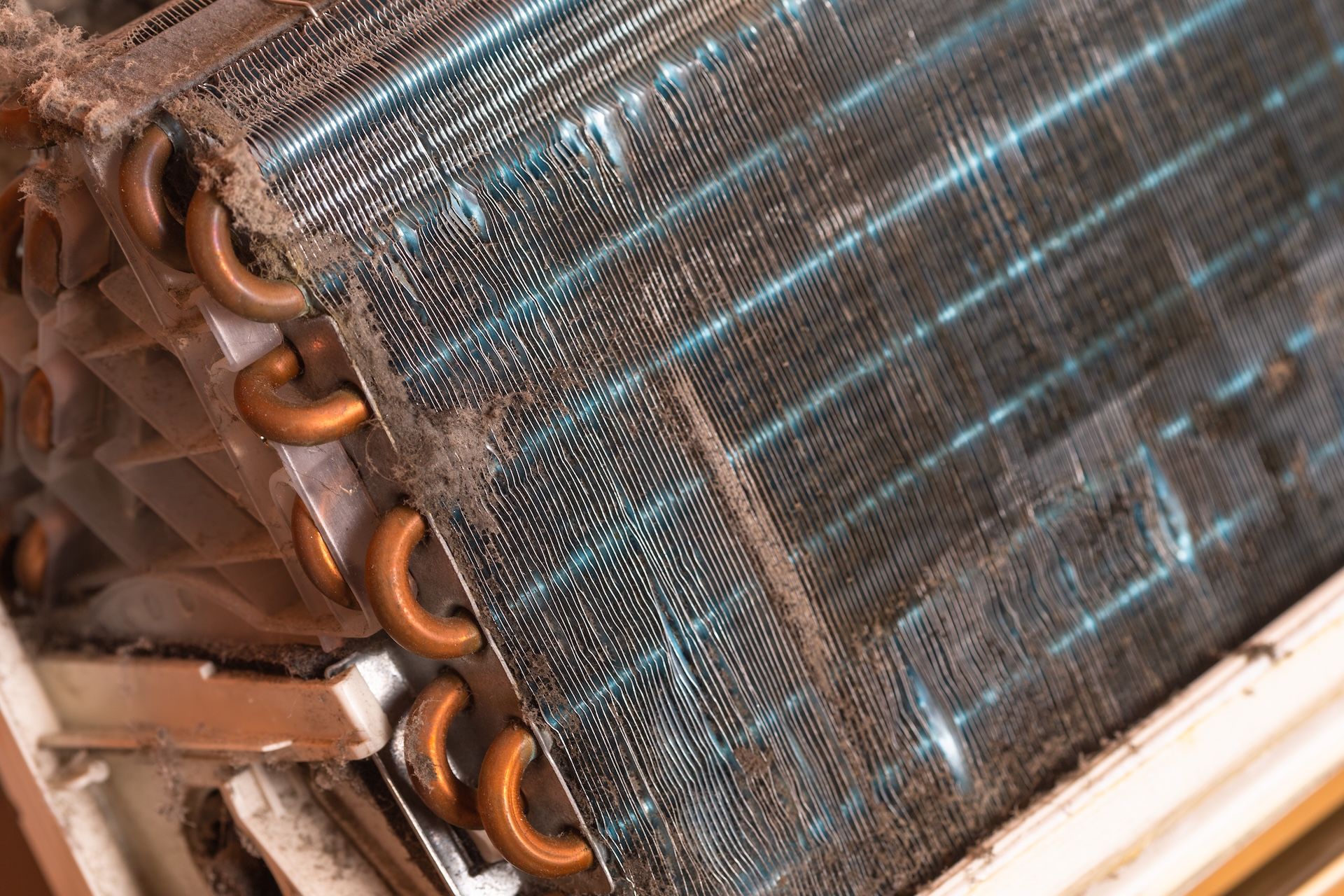
1. Condenser Coils
These metal coils allow the refrigerant to release heat into the outdoor air.
2. Compressor
The compressor moves and pressurizes the refrigerant. It is often called the heart of the air conditioner.
3. Fan
The fan pulls air through the condenser coils to help move heat away faster.
4. Refrigerant Lines
These lines carry refrigerant between the indoor system and the outdoor ac condenser.
Each part must work properly for air conditioner condensers to run efficiently.
Types of Air Conditioner Condensers
Most homes use air-cooled condensers, which rely on outdoor air and a fan to cool the refrigerant. These are common, reliable, and cost-effective.
Some larger buildings may use:
- Water-cooled condensers
- Evaporative condensers
These types are usually found in commercial systems, not residential homes.
Common AC Condenser Problems
Like any outdoor equipment, ac condenser units can develop problems over time.
Common issues include:
- Dirty condenser coils that block heat release
- Broken or weak fan motors
- Refrigerant leaks
- Electrical issues
- Compressor failure
When these problems occur, your AC may blow warm air or struggle to keep your home comfortable.
Signs Your AC Condenser Needs Attention
Watch for these warning signs:
- Warm air coming from vents
- Loud or unusual noises from the outdoor unit
- Higher energy bills
- AC system turning on and off frequently
- Ice forming on refrigerant lines
Catching these problems early can help prevent costly repairs.
AC Condenser Maintenance Tips
Taking care of your condenser unit helps it last longer and work better.
Here are some simple maintenance tips:
- Keep plants, leaves, and dirt away from the unit
- Clean around the condenser regularly
- Make sure airflow is not blocked
- Schedule yearly professional AC maintenance
A clean and well-maintained ac condenser improves cooling and lowers energy costs.
How Long Does an AC Condenser Last?
On average, an ac condenser unit can last between 10 and 15 years. With good maintenance, some units last even longer. Regular inspections and quick repairs can extend the life of your system.
Need help with your AC condenser or cooling system? Contact Old School Cooling today for reliable, professional service.
FAQs About AC Condensers
What is an AC condenser?
An ac condenser is the outdoor part of your air conditioner that releases heat from inside your home.
Where is the condenser unit located?
It is located outside your home, usually on a concrete pad or mounted on the ground.
Can a dirty condenser affect cooling?
Yes, dirt and debris can block airflow and reduce cooling efficiency.
How often should the condenser be cleaned?
At least once a year, preferably before the summer season.
Is the condenser the same as the compressor?
No. The compressor is inside the condenser unit, but they are not the same part.
Why does the condenser have a fan?
The fan helps move outdoor air across the coils so heat can escape faster.
Disclaimer: The information on this website and blog is for general informational purposes only and is not professional advice. We make no guarantees of accuracy or completeness. We disclaim all liability for errors, omissions, or reliance on this content. Always consult a qualified professional for specific guidance.
Search Blog
Recent Posts