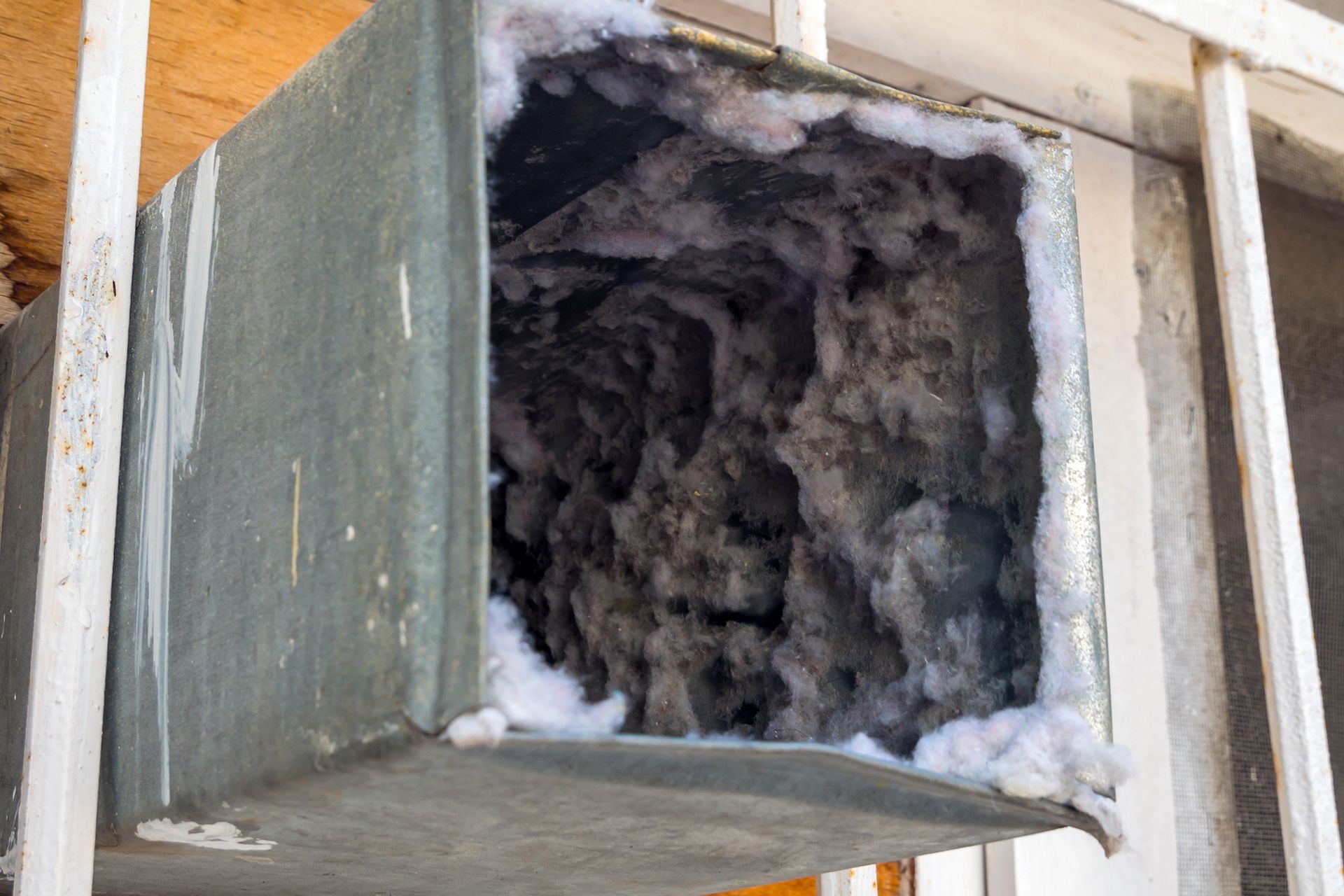
How the Furnace Installation Process Works
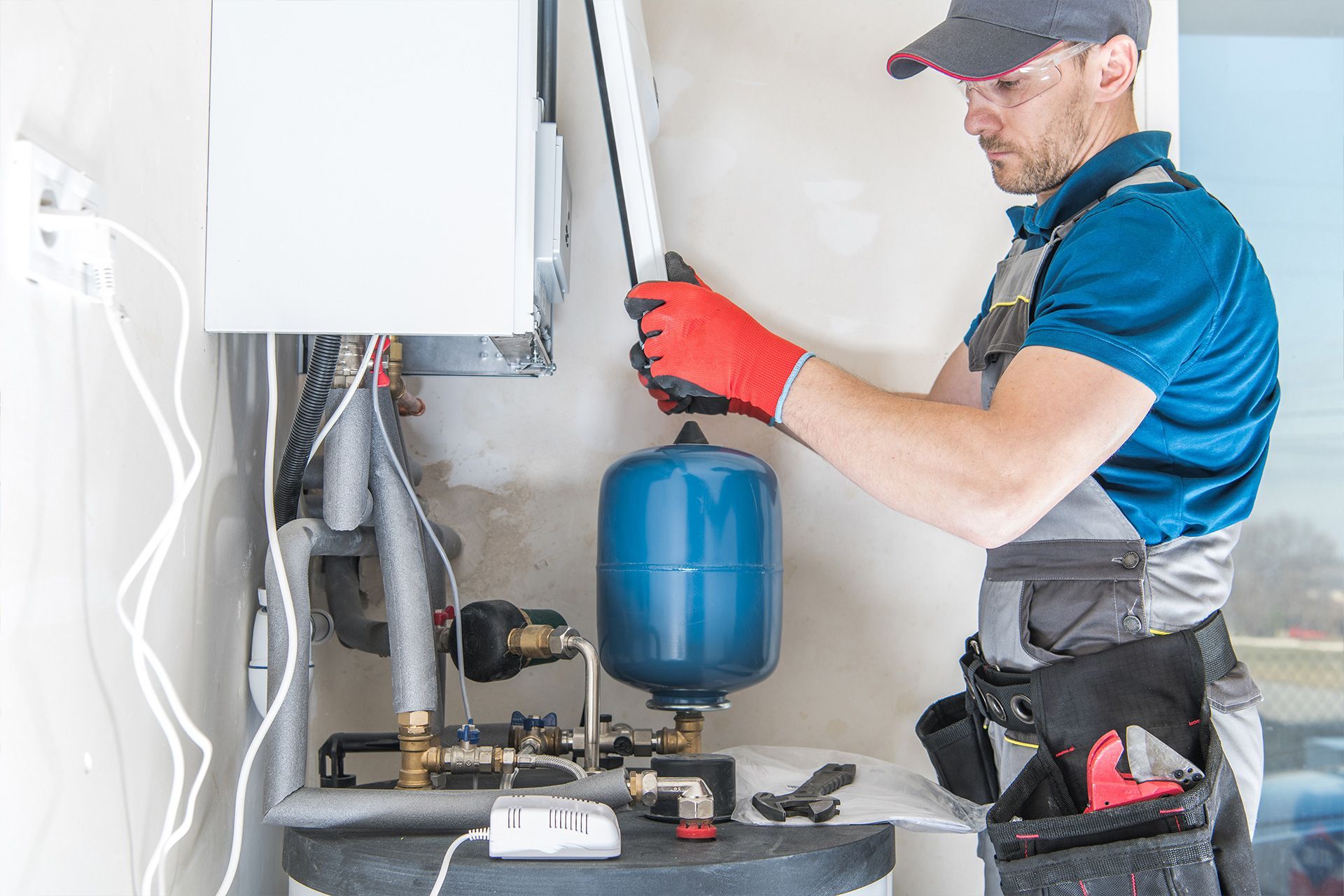
A new furnace can make your home warmer, safer, and more energy-efficient. But many homeowners are not sure what actually happens during a furnace installation. Understanding the process helps you feel confident, prepared, and ready to make the right decision for your home.
In this guide, we’ll explain how the furnace installation process works, step by step. Whether you are planning a gas furnace installation or replacing a furnace that no longer works well, this article will walk you through what to expect.
What Is Furnace Installation?
Furnace installation is the process of placing a new heating system in your home and connecting it to your ductwork, gas line, electrical system, and thermostat. A proper installation ensures your furnace runs safely and efficiently for many years.
Homeowners may need to replace a furnace if:
- The furnace is more than 15–20 years old
- Heating bills keep rising
- Rooms heat unevenly
- Repairs are frequent and costly
- The system no longer heats properly
Replacing your furnace at the right time can improve comfort and lower energy costs.
Step 1: In-Home Evaluation and Load Calculation
Before installing a furnace, a professional HVAC technician will inspect your home. This step is very important.
What Happens During the Evaluation?
- The technician checks your home’s size and layout
- Inspects insulation and windows
- Reviews your ductwork
- Determines your heating needs
A load calculation is done to choose the correct furnace size. Installing a furnace that is too big or too small can lead to:
- Higher energy bills
- Uneven heating
- Shorter system lifespan
This step ensures your new furnace fits your home perfectly.
Step 2: Choosing the Right Furnace
Once your heating needs are clear, the next step is choosing the best furnace for your home.
Common Furnace Options
- Gas furnace installation
(most common in the USA)
- High-efficiency furnaces
- Single-stage, two-stage, or variable-speed furnaces
Gas furnaces are popular because they heat quickly and work well in cold climates. High-efficiency models cost more upfront but save money over time through lower energy bills.
Your technician will help you select a furnace that fits your budget, comfort needs, and long-term goals.
Step 3: Preparing for Furnace Installation Day
Before installation day, there are a few things homeowners should do:
- Clear the area around the furnace
- Make sure pets are secured
- Provide clear access to the work area
The HVAC team will bring all required tools and equipment. Most furnace installations are completed in one day, depending on the home and system type.
Step 4: Removing the Old Furnace
If you are replacing a furnace, the old unit must be removed first.
During Removal:
- Power and gas are safely shut off
- The old furnace is disconnected from ductwork and wiring
- The system is carefully taken out
Professional technicians follow safety rules to prevent gas leaks, electrical issues, or damage to your home.
Step 5: Installing the New Furnace
This is the core part of the furnace installation process.
What Technicians Do:
- Position the new furnace correctly
- Connect ductwork
- Attach gas lines and electrical wiring
- Install the venting system
- Connect the thermostat
For a gas furnace installation, special care is taken to ensure safe gas connections and proper ventilation. This helps prevent carbon monoxide problems and improves efficiency.
Every connection is checked to meet safety codes and manufacturer standards.
Step 6: System Testing and Safety Checks
Once the furnace is installed, the system is tested.
Testing Includes:
- Checking airflow
- Testing ignition and burners
- Verifying thermostat control
- Inspecting gas pressure
- Ensuring no leaks
Technicians also test safety features, such as shut-off switches and sensors. This step ensures your furnace runs smoothly and safely from day one.
Step 7: Final Walkthrough and Homeowner Education
After installation, the technician will explain how to use your new furnace.
You’ll Learn:
- How to adjust the thermostat
- When to change air filters
- Basic maintenance tips
- Signs of potential issues
This walkthrough helps you feel comfortable using your new system and keeps it running efficiently.
How Long Does Furnace Installation Take?
Most furnace installations take 4 to 8 hours. If ductwork changes or upgrades are needed, the process may take longer.
Replacing an existing furnace is usually faster than installing a furnace in a home for the first time.
Benefits of Replacing a Furnace
Replacing an old furnace offers many advantages:
- Better indoor comfort
- Lower heating bills
- Quieter operation
- Improved air quality
- Fewer breakdowns
- Increased home value
Modern furnaces are much more energy-efficient than older models, making replacing a furnace a smart long-term investment.
Common Furnace Installation Mistakes to Avoid
Hiring an experienced HVAC company is key. Poor installation can lead to:
- Short system life
- High energy costs
- Frequent repairs
- Safety risks
Always choose licensed professionals who follow local codes and best practices.
Why Professional Furnace Installation Matters
A furnace is one of the most important systems in your home. Proper installation ensures:
- Maximum efficiency
- Safe operation
- Long-lasting performance
Choosing professionals like Old School Cooling helps protect your investment and your family’s comfort.
Need expert furnace installation or replacing a furnace? Contact Old School Cooling today to schedule your professional in-home evaluation.
Furnace Installation FAQs
How do I know when to replace my furnace?
If your furnace is over 15 years old, needs frequent repairs, or no longer heats your home evenly, it may be time to replace it.
Is gas furnace installation safe?
Yes, when done by trained professionals. Proper gas connections, ventilation, and testing make gas furnaces safe and reliable.
How much does furnace installation cost?
Costs vary based on furnace type, efficiency level, and home size. A professional evaluation provides accurate pricing.
Can I install a furnace myself?
Furnace installation should always be done by licensed HVAC technicians. DIY installation can be dangerous and may void warranties.
How often should I maintain my new furnace?
Annual maintenance is recommended to keep your furnace running efficiently and to extend its lifespan.
Will a new furnace lower my energy bills?
Yes. New, energy-efficient furnaces use less fuel and heat more effectively, reducing monthly heating costs.
Disclaimer: The information on this website and blog is for general informational purposes only and is not professional advice. We make no guarantees of accuracy or completeness. We disclaim all liability for errors, omissions, or reliance on this content. Always consult a qualified professional for specific guidance.
Search Blog
Recent Posts