How to Maintain Your Window AC: 5 Essential Steps
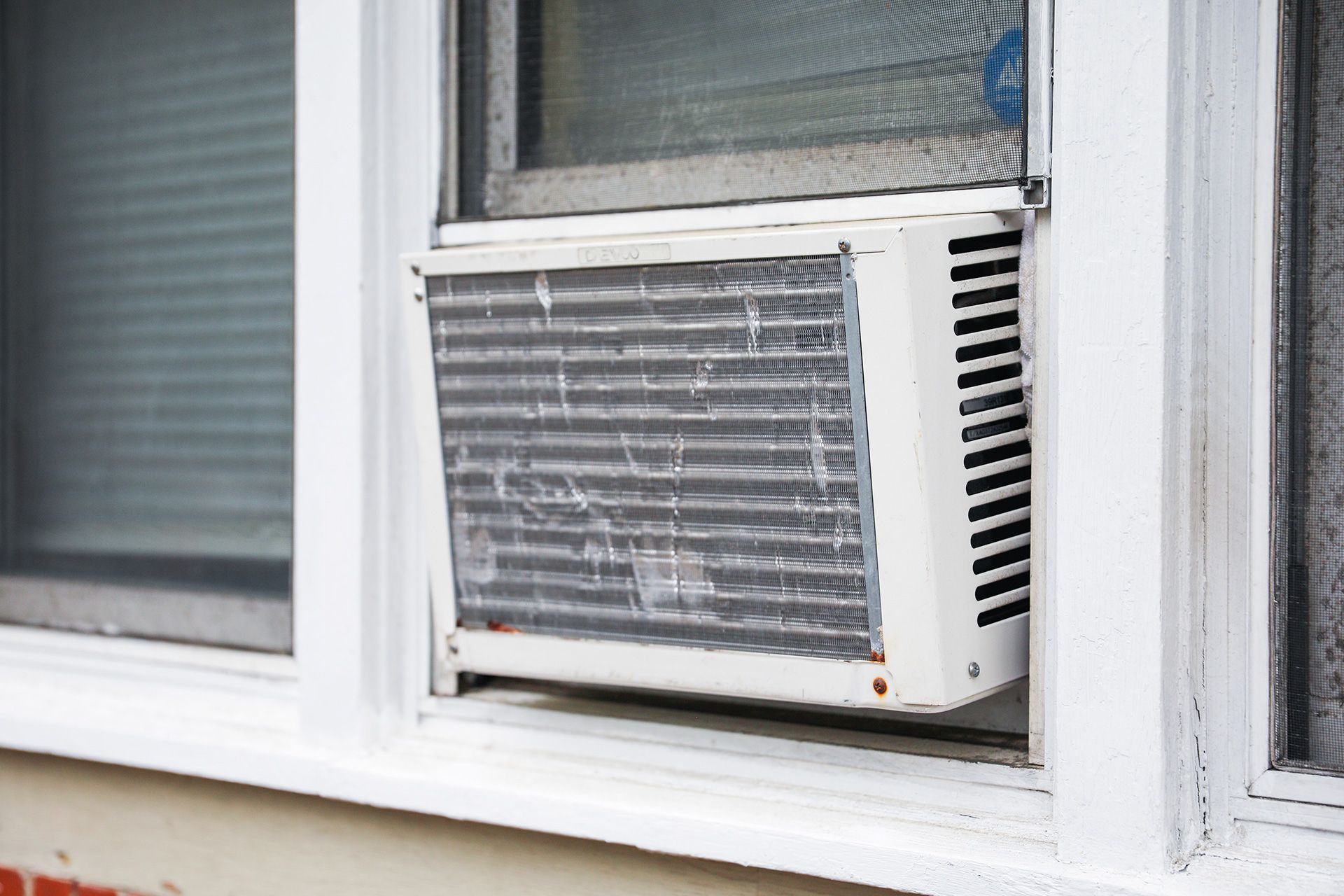
In Palm Beach County, air conditioning isn’t a luxury, it’s a necessity. With long, hot summers and high humidity levels, your window air conditioner works hard almost year-round. Without proper care, that constant workload can lead to higher energy bills, poor cooling performance, and costly breakdowns.
The good news? With consistent window AC maintenance, you can keep your unit running efficiently, extend its lifespan, and maintain comfortable indoor air, even during Florida’s hottest days.
In this guide, we’ll walk you through five essential steps for proper window AC unit maintenance, along with expert tips tailored specifically for South Florida homeowners.
Why Window AC Maintenance Is So Important in Florida
Florida’s climate presents unique challenges for air conditioning systems:
- High humidity increases condensation and the risk of mold.
- Salt in coastal air can contribute to corrosion.
- Heavy use during long summers puts extra strain on components.
- Dust and pollen can quickly clog filters and coils.
Routine maintenance helps:
- Improve cooling performance
- Lower monthly energy bills
- Reduce emergency repair costs
- Extend the life of your system
- Improve indoor air quality
If you want reliable comfort in Palm Beach County, regular window AC unit maintenance should be part of your home care routine.
Step 1: Clean or Replace the Air Filter
The air filter is one of the most important components in your window AC. It traps dust, dirt, pollen, and other airborne particles before they enter the system.
When the filter becomes clogged:
- Airflow is restricted
- The unit works harder
- Energy consumption increases
- Cooling performance drops
How Often Should You Clean It?
In Florida’s humid and dusty environment, you should check your filter every 30 days during peak cooling season.
How to Clean It
- Turn off and unplug the unit.
- Remove the front grille.
- Slide out the filter.
- Wash reusable filters with warm, soapy water.
- Rinse thoroughly and allow to air dry completely.
- Reinstall once dry.
If your unit uses disposable filters, replace them according to the manufacturer’s recommendations.
This simple step alone can dramatically improve efficiency and reduce strain on your system.
Step 2: Clean the Evaporator and Condenser Coils
Your window AC has two main coils:
- Evaporator coil (inside) – absorbs heat from your room
- Condenser coil (outside) – releases heat outdoors
Over time, dirt builds up on both coils. When that happens, the unit can’t transfer heat effectively, which reduces cooling power and increases energy use.
How to Clean the Coils
- Unplug the unit.
- Remove the outer casing if accessible.
- Use a soft brush or vacuum with a brush attachment to gently remove dust.
- For stubborn dirt, wipe carefully with a damp cloth and mild soap solution.
Be cautious around wiring and electrical components.
In Palm Beach County, especially near coastal areas, salt air can accelerate buildup and corrosion. Cleaning coils at least once per season is a key part of effective window AC unit cleaning service practices.
Step 3: Straighten Bent Cooling Fins
The thin aluminum fins on your AC’s coils are designed to maximize airflow and heat transfer. However, they can easily bend from debris, impact, or improper cleaning.
Bent fins restrict airflow and reduce efficiency.
How to Fix Bent Fins
- Use a fin comb designed for AC units.
- If you don’t have one, a plastic card or butter knife can gently realign fins.
- Work slowly and carefully to avoid damage.
Keeping fins straight ensures proper airflow and better cooling performance.
Step 4: Clean the Fans and Drain System
Clean the Blower and Condenser Fans
Your window AC contains two fans:
- The blower fan circulates cool air inside your home.
- The condenser fan pushes heat outside.
Dust buildup on fan blades reduces airflow and forces the motor to work harder.
Cleaning Steps
- Use a soft brush or vacuum to remove debris.
- Wipe blades with a damp cloth.
- Ensure nothing obstructs the fan’s movement.
Clear the Drain Pan and Drain Hole
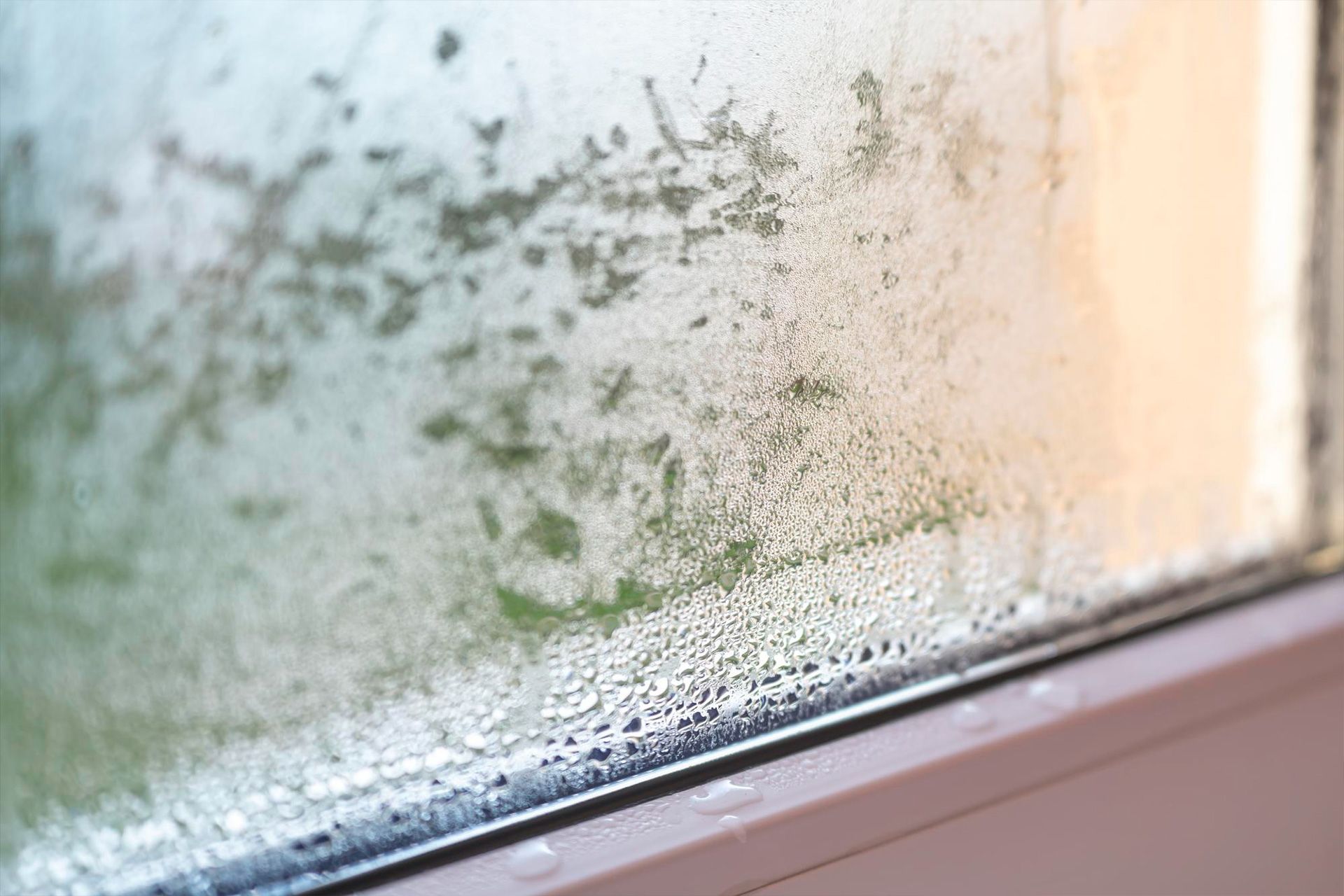
Florida humidity means your AC produces a lot of condensation. That water collects in a drain pan and exits through a drain hole.
If the drain clogs:
- Water may leak into your home
- Mold growth can occur
- Musty odors may develop
How to Prevent Drain Issues
- Clean the drain pan with soap and water.
- Check that the drain hole is clear.
- Ensure the unit is slightly tilted outward to allow proper drainage.
Keeping the drainage system clear is essential for preventing moisture damage, especially in Palm Beach County’s humid climate.
Step 5: Protect or Store Your Unit Properly
Even though Florida winters are mild, proper off-season care still matters.
If Removing the Unit:
- Run it on fan-only mode for a few hours to dry internal moisture.
- Clean all components thoroughly.
- Store in a dry indoor location.
- Cover loosely with breathable material.
If Leaving It Installed:
- Use an outdoor AC cover during cooler months.
- Check seals and insulation around the unit.
- Ensure no gaps allow warm air infiltration.
Proper protection prevents rust, mold, and unnecessary wear.
When to Call a Professional Window AC Cleaning Service
While many maintenance steps can be done yourself, there are times when professional service is the smart choice.
Consider scheduling a window AC cleaning service if:
- The unit smells musty or moldy
- Cooling performance has dropped significantly
- You hear unusual noises
- You see visible corrosion
- The unit hasn’t been professionally serviced in years
Professional technicians can safely disassemble the unit, deep clean internal components, inspect electrical parts, and ensure everything is operating safely.
For homeowners in Palm Beach County, professional window AC unit cleaning service can provide peace of mind during peak summer months.
Signs Your Window AC Needs Immediate Attention
Watch for these warning signs:
- Warm air blowing instead of cool
- Weak airflow
- Ice forming on coils
- Loud rattling or grinding sounds
- Water leaking indoors
- Rising energy bills without explanation
Addressing these issues early can prevent complete system failure.
How Often Should You Perform Window AC Maintenance?
For Florida homeowners, the recommended schedule is:
- Monthly: Clean or replace filter
- Every 3–4 months: Inspect coils and fans
- Once per season: Deep clean coils and drainage
- Annually: Consider professional service
With this routine, your unit can last 8–10 years or longer.
The Benefits of Regular Window AC Unit Maintenance
When you stay consistent with maintenance, you’ll notice:
- Faster cooling
- Lower electric bills
- Fewer emergency repairs
- Improved indoor air quality
- Extended system lifespan
Given how much we rely on AC in Palm Beach County, maintenance is far more affordable than replacement.
Keeping your window AC in top shape is one of the smartest things you can do as a Florida homeowner. Regular maintenance protects your investment, keeps your home comfortable, and helps you avoid costly breakdowns during the hottest months of the year.
Call Old School Cooling today for reliable window AC maintenance and professional window AC unit cleaning service in Palm Beach County!
Frequently Asked Questions (FAQs)
How often should I schedule professional window AC cleaning service?
Most homeowners benefit from professional service once a year, ideally before peak summer heat begins.
Can I pressure wash my window AC unit?
No. High-pressure water can damage coils and electrical components. Always use gentle cleaning methods.
Why does my window AC smell musty?
Musty odors usually indicate mold or mildew buildup inside the unit. Cleaning the filter and coils may help, but severe cases require professional cleaning.
How long does a window AC unit typically last in Florida?
With consistent window AC maintenance, most units last 8–10 years. Coastal conditions may reduce lifespan if not properly maintained.
Is window AC unit maintenance really necessary if it’s still cooling?
Yes. Even if it seems to be working fine, dirt buildup reduces efficiency and increases wear over time.
Disclaimer: The information on this website and blog is for general informational purposes only and is not professional advice. We make no guarantees of accuracy or completeness. We disclaim all liability for errors, omissions, or reliance on this content. Always consult a qualified professional for specific guidance.
Search Blog
Recent Posts