Why Duct Insulation Is Important for Your HVAC System
When it comes to your HVAC system, most homeowners focus on the air conditioner, thermostat, or vents. However, one of the most overlooked parts of the system is the ductwork. Your ducts are responsible for carrying cooled or heated air throughout your home, and if they are not properly insulated, a large amount of energy can be wasted.
This is where duct insulation becomes critical. Proper insulation helps keep air at the right temperature as it travels through your home. Without it, you may experience energy loss, uneven cooling, higher electricity bills, and reduced comfort.
In this guide, you will learn why duct insulation is important, how it works, its benefits, and how it improves the overall performance of your HVAC system.
What Is Duct Insulation?
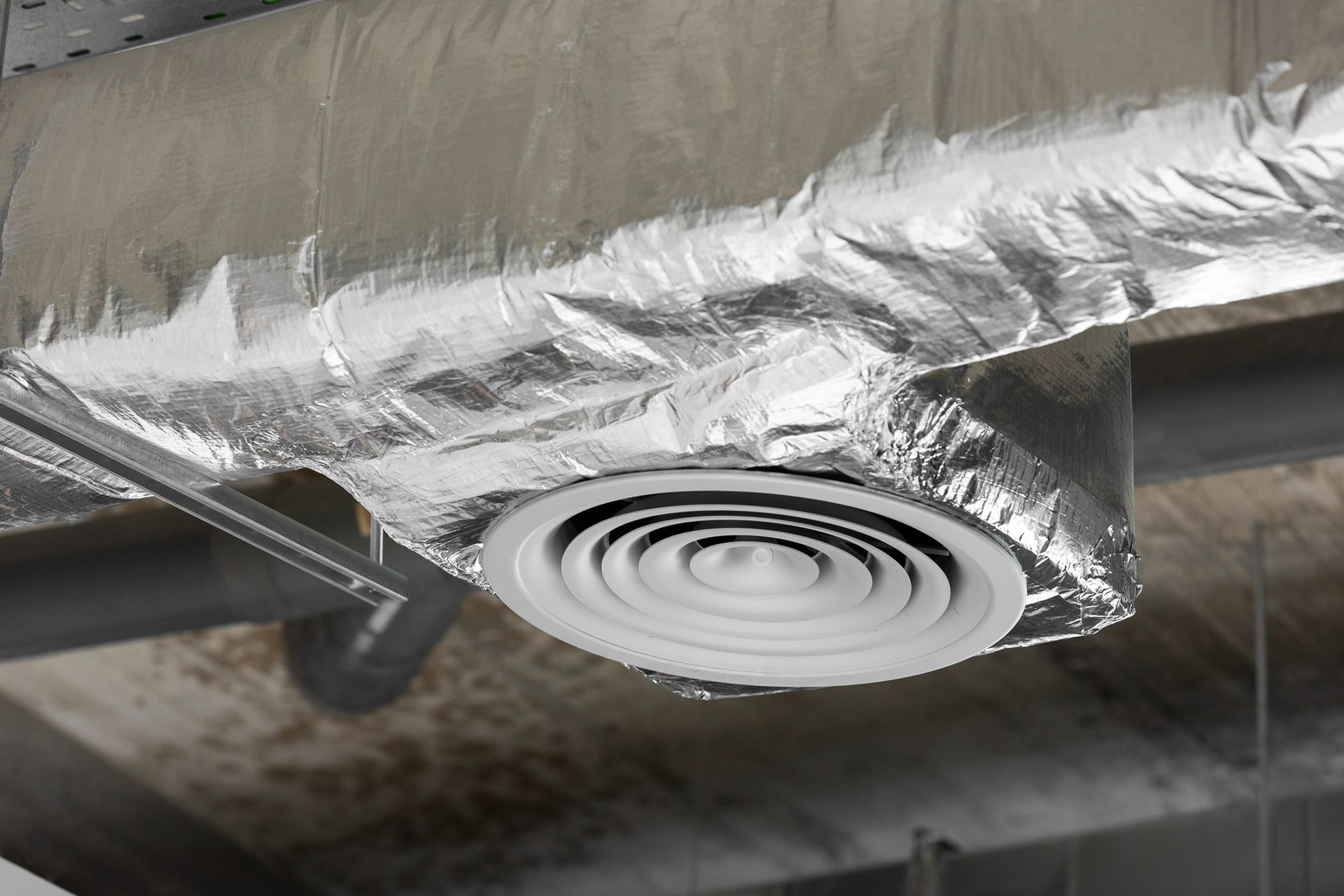
Duct insulation is a protective layer wrapped around air ducts in your HVAC system. Its main purpose is to prevent heat gain or heat loss as air moves through the ductwork.
Without insulation, air inside the ducts can lose its temperature before reaching the rooms in your home. This forces your HVAC system to work harder to maintain comfort.
Duct insulation helps maintain consistent air temperature and improves overall system efficiency.
How Duct Insulation Works
To understand the importance of duct insulation, it helps to know how it works.
Here is a simple breakdown:
- Your HVAC system produces cooled or heated air
- Air travels through metal or flexible ducts
- Without insulation, air temperature changes due to surrounding conditions
- Insulation acts as a barrier that slows down heat transfer
- Air reaches rooms at the intended temperature
This process helps your system maintain efficiency and reduces energy waste.
Why Duct Insulation Is Important
Duct insulation plays a major role in keeping your HVAC system efficient and your home comfortable. Without it, you may lose a significant amount of conditioned air before it even reaches your rooms.
Here are the key reasons why it matters:
1. Improves Energy Efficiency
One of the biggest benefits of duct insulation is improved energy efficiency.
When ducts are not insulated, cooled air can warm up before reaching your rooms, and heated air can lose warmth. This makes your HVAC system run longer cycles.
Insulated ducts reduce this energy loss and help your system operate more efficiently.
2. Reduces Energy Bills
Because your system does not have to work as hard, you will see lower electricity bills.
Energy loss through uninsulated ducts can account for a significant portion of wasted cooling or heating.
Proper duct insulation helps reduce this waste and saves money every month.
3. Improves Indoor Comfort
If some rooms feel hotter or colder than others, poor duct insulation may be the reason.
Insulated ducts ensure that air reaches every room at a consistent temperature, improving overall comfort throughout your home.
This is especially important for large homes with long duct runs.
4. Prevents Condensation Issues
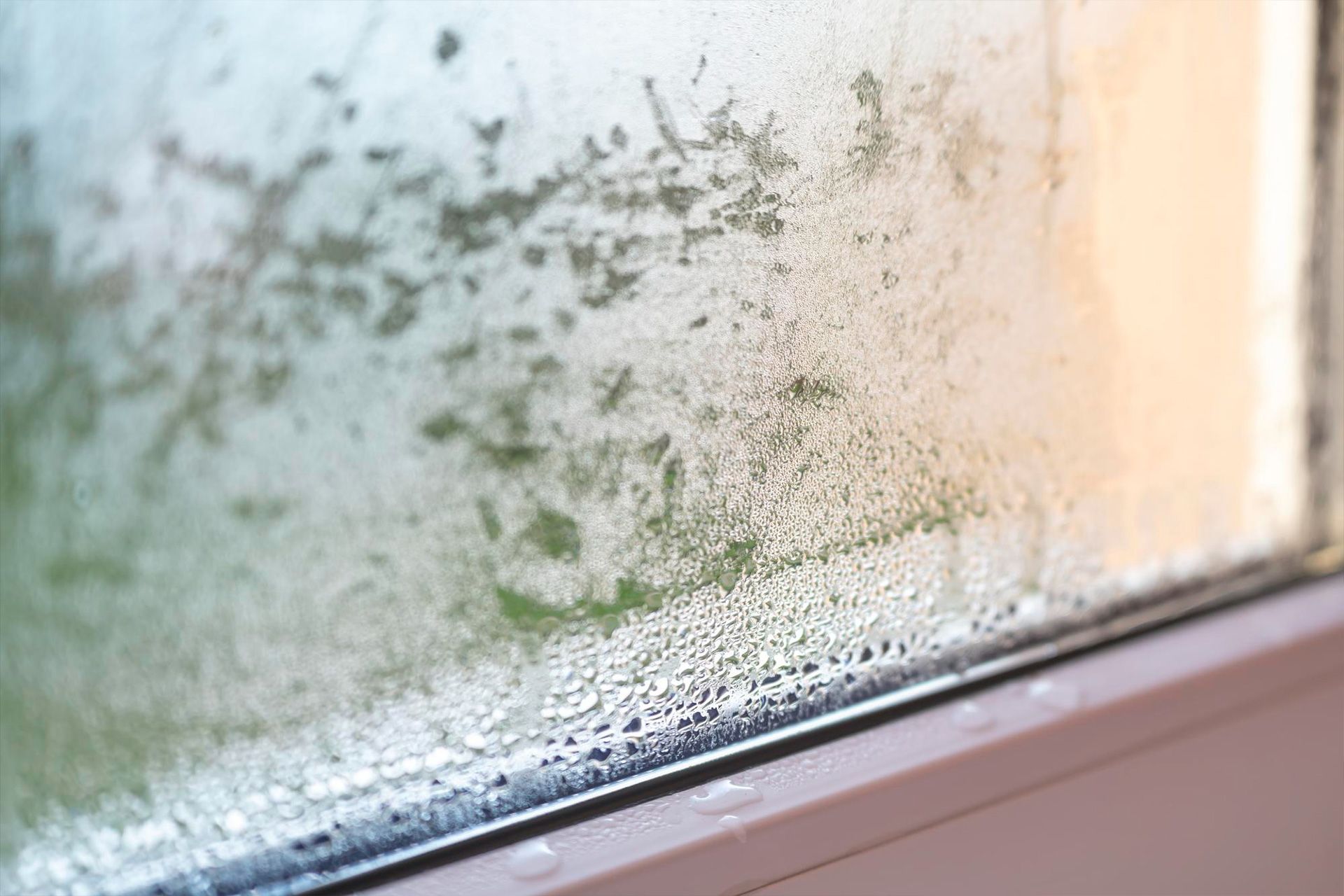
When warm air meets cold duct surfaces, condensation can form. This moisture can lead to mold growth, rust, and damage to your HVAC system.
Duct insulation helps maintain stable temperatures and reduces the risk of condensation.
5. Extends HVAC System Lifespan
When your HVAC system works harder than necessary, it wears out faster.
By reducing strain on the system, duct insulation helps extend the lifespan of key components like the compressor, blower motor, and coils.
6. Reduces Noise from Airflow
Insulated ducts also help reduce noise caused by airflow.
Without insulation, air moving through ducts can create rattling or whooshing sounds. Insulation absorbs some of this sound and creates a quieter home environment.
7. Improves Air Quality
Properly insulated ducts help prevent dust, moisture, and contaminants from entering the system.
This helps maintain cleaner airflow and improves indoor air quality, especially for people with allergies or respiratory issues.
Where Duct Insulation Is Most Important
Duct insulation is not equally important in all areas of your home. Some locations need it more than others.
1. Attics
Attics experience extreme heat, making insulation essential.
2. Crawl Spaces
These areas are often humid and can affect duct performance.
3. Garages
Temperature changes in garages can affect uninsulated ducts.
4. Basements
Moisture control is important in basement duct systems.
Signs Your Ducts Need Better Insulation
You may need duct insulation if you notice the following:
- Uneven temperatures in rooms
- High energy bills
- Weak airflow in certain areas
- Hot or cold spots in the home
- HVAC system running constantly
- Visible condensation on ducts
These are clear indicators that your duct system is losing energy.
Types of Duct Insulation
There are different types of insulation used for HVAC ducts:
1. Fiberglass Insulation
Most common type, used for wrapping ducts and reducing heat transfer.
2. Foam Board Insulation
Rigid and durable, often used in tight spaces.
3. Reflective Insulation
Uses reflective surfaces to reduce radiant heat gain.
4. Spray Foam Insulation
Expands and seals gaps for maximum air protection.
Common Problems Without Duct Insulation
If ducts are not insulated, you may experience:
- Higher electricity consumption
- Uneven cooling or heating
- Moisture buildup
- Mold growth inside ducts
- Increased system wear and tear
These issues can lead to expensive repairs over time.
How Duct Insulation Improves HVAC Performance
When ducts are properly insulated:
- Air reaches rooms at correct temperature
- HVAC system runs fewer cycles
- Energy is used more efficiently
- Indoor comfort improves significantly
- System parts last longer
Even a small improvement in duct insulation can make a noticeable difference in performance.
Maintenance Tips for Duct Systems
To keep your duct system efficient:
- Inspect ducts regularly for leaks
- Seal any gaps or cracks
- Keep ducts clean and dust-free
- Schedule HVAC maintenance yearly
- Ensure insulation remains intact
Proper maintenance helps maximize the benefits of duct insulation.
Conclusion
Duct insulation is one of the most important but often overlooked parts of an HVAC system. It helps maintain temperature, improve energy efficiency, reduce costs, and increase overall comfort in your home.
Without proper duct insulation, your system may waste energy, work harder than needed, and deliver uneven cooling or heating.
For professional HVAC installation, ductwork insulation, and system optimization, Old School Air Conditioning provides trusted services to ensure your home stays efficient, comfortable, and energy-saving all year long.
FAQs
What is duct insulation used for?
It prevents energy loss and keeps air at the right temperature inside ducts.
Does duct insulation save money?
Yes, it reduces energy waste and lowers electricity bills.
Where should duct insulation be installed?
Attics, crawl spaces, garages, and basements are most important.
What happens without duct insulation?
You may experience energy loss, uneven temperatures, and higher bills.
How long does duct insulation last?
It can last 10–20 years depending on material and maintenance.
Can duct insulation improve air quality?
Yes, it helps reduce dust and moisture infiltration.
Is duct insulation worth it?
Yes, it improves comfort, efficiency, and HVAC system lifespan.
Disclaimer: The information on this website and blog is for general informational purposes only and is not professional advice. We make no guarantees of accuracy or completeness. We disclaim all liability for errors, omissions, or reliance on this content. Always consult a qualified professional for specific guidance.
Search Blog
Recent Posts