What Does A Dehumidifier Do And How Does A Dehumidifier Work?
Humidity is something many homeowners don’t think about until it becomes a problem. When the air inside your home feels sticky, damp, or heavy, it usually means the humidity level is too high. Even if your air conditioner is working, high humidity can still make your home uncomfortable.
This is where a dehumidifier becomes very useful. If you are wondering what does a dehumidifier do, the simple answer is that it removes excess moisture from the air and helps balance indoor humidity levels.
But there is more to it than just that. A dehumidifier plays an important role in improving air quality, preventing mold growth, and making your home feel more comfortable overall.
In this guide, we will explain how a dehumidifier works, what it does step by step, why it is important, and how it improves your home environment.
What Does a Dehumidifier Do?
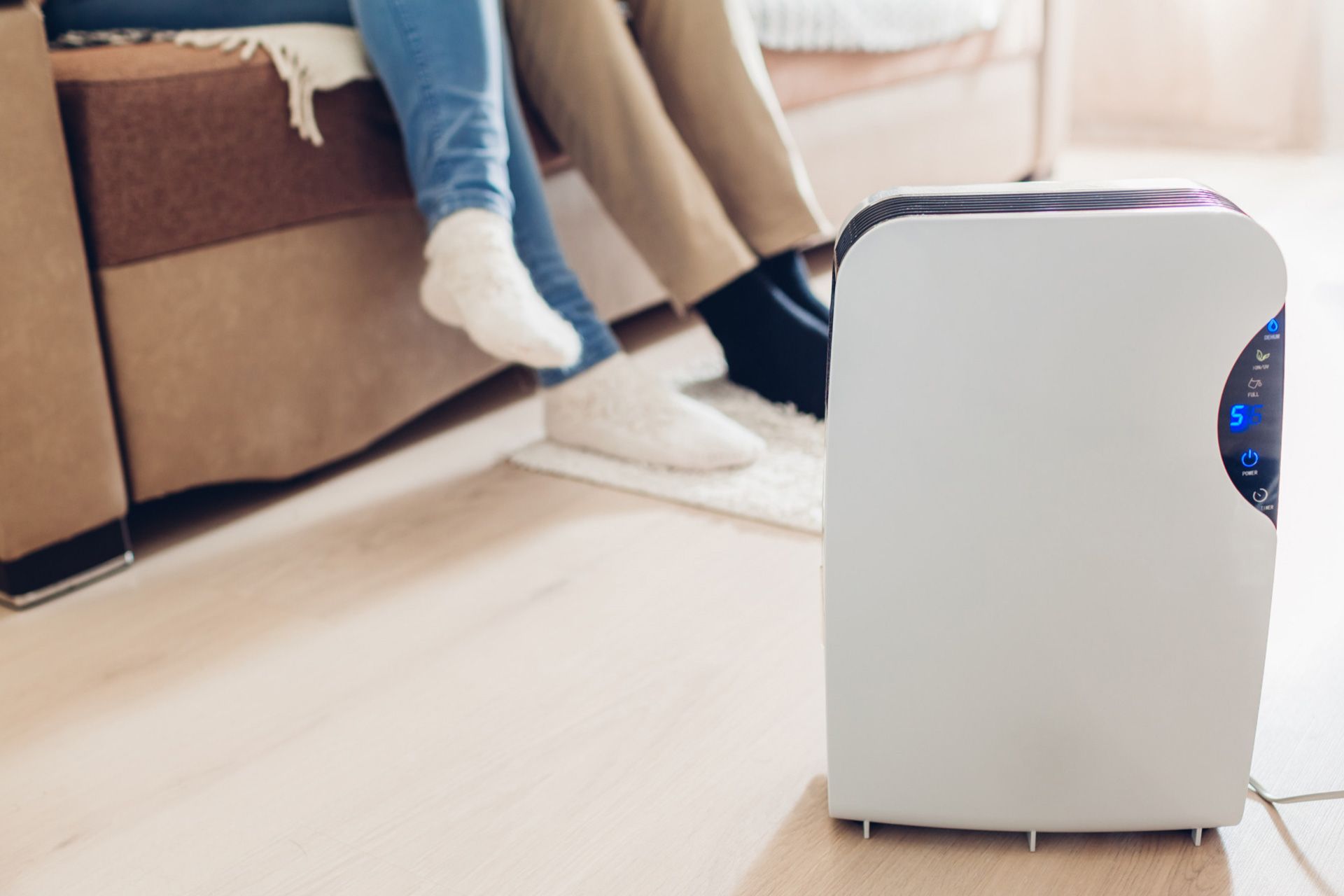
A dehumidifier is a device designed to remove excess moisture from the air. It works by pulling in humid air, extracting water from it, and releasing drier air back into the room.
When humidity levels are high, your home can feel warmer than it actually is. A dehumidifier helps fix this by reducing moisture, which makes the air feel lighter and more comfortable.
In simple terms:
A dehumidifier takes moisture out of the air to improve comfort, air quality, and health inside your home.
Why High Humidity Is a Problem
Too much humidity is not just uncomfortable, it can also cause several household and health issues.
When indoor air is too humid, you may experience:
- Sticky or heavy air feeling
- Mold growth on walls and ceilings
- Musty smells in rooms
- Increased dust mites and allergens
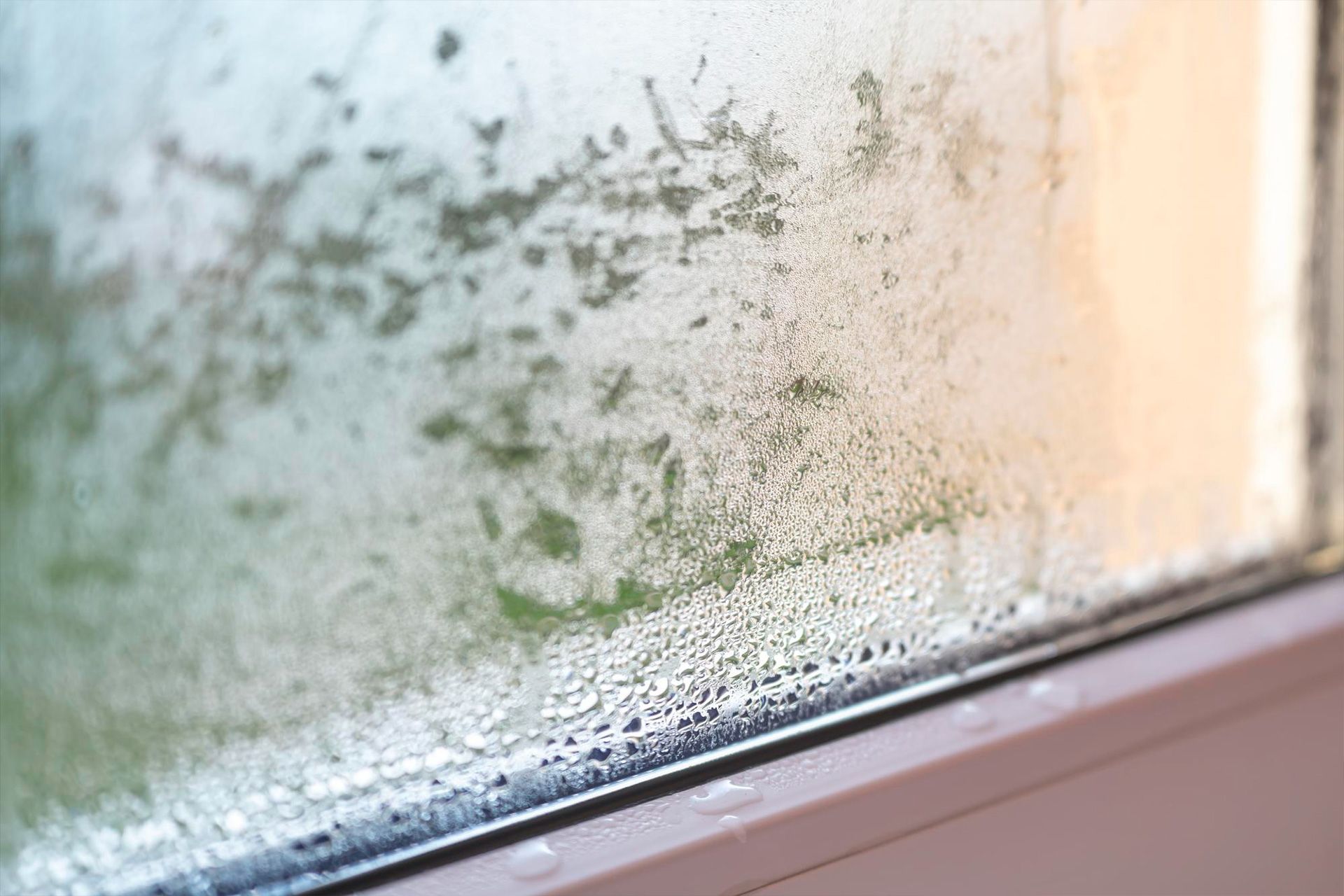
- Condensation on windows
- Damage to furniture and wood
- Higher AC electricity bills
High humidity also forces your air conditioner to work harder because it must remove both heat and moisture at the same time. This reduces efficiency and increases energy costs.
How Does a Dehumidifier Work?
To fully understand what does a dehumidifier do, you need to understand how it works step by step.
A dehumidifier uses a simple cycle to remove moisture from the air:
Step 1: Air Intake
The dehumidifier pulls warm, humid air from the room using a fan.
Step 2: Cooling Process
The air passes over cold coils inside the unit. These coils are cooled using a compressor system.
Step 3: Condensation
When warm air hits the cold coils, moisture in the air turns into water droplets. This is the same process that causes water to form on a cold glass.
Step 4: Water Collection
The water droplets drip into a collection tank or are drained out through a hose.
Step 5: Dry Air Release
The now-dry air is slightly warmed and released back into the room.
This cycle repeats continuously until the humidity level in the room reaches a comfortable range.
Main Parts of a Dehumidifier
A dehumidifier has several important components that work together:
1. Fan System
The fan pulls humid air into the machine and pushes dry air back out into the room.
2. Evaporator Coils
These coils cool the air so moisture can condense into water.
3. Compressor
The compressor powers the cooling system that helps remove moisture.
4. Water Tank
This tank collects the water removed from the air. It must be emptied regularly unless a drain hose is attached.
5. Humidistat Sensor
This sensor measures humidity levels and automatically turns the unit on or off.
6. Air Filter
The filter removes dust and particles from the air before it is processed.
Types of Dehumidifiers
There are different types of dehumidifiers used in homes:
1. Refrigerant Dehumidifiers
This is the most common type. They use cooling coils to condense moisture from the air.
2. Desiccant Dehumidifiers
These use absorbent materials to pull moisture from the air instead of cooling it.
3. Whole-House Dehumidifiers
These systems are connected to HVAC ductwork and control humidity throughout the entire home.
What Does a Dehumidifier Do for Your Home?
A dehumidifier does much more than just remove water from the air. It improves your home environment and indoor air quality in several important ways.
1. Improves Indoor Air Quality
By reducing moisture, it limits mold, bacteria, and allergens in the air.
2. Prevents Mold Growth
Mold thrives in damp environments. A dehumidifier removes the conditions that mold needs to grow.
3. Reduces Musty Odors
Excess moisture often causes unpleasant smells. A dehumidifier helps eliminate them.
4. Improves Comfort
Dry air feels cooler and more comfortable, even without lowering the temperature.
5. Protects Your Home
It helps prevent damage to walls, wood, furniture, and electronics caused by humidity.
6. Supports Your AC System
Your air conditioner does not need to work as hard when humidity is controlled.
7. Helps Allergy Sufferers
It reduces dust mites, mold spores, and other triggers.
Signs You Need a Dehumidifier
You may need a dehumidifier if you notice the following:
- Air feels sticky or heavy
- Mold spots on walls or ceilings
- Condensation on windows
- Musty smell in rooms
- Allergies getting worse indoors
- AC not feeling effective enough
These are all signs of high indoor humidity.
Ideal Indoor Humidity Levels
The best indoor humidity level is
- 30% to 50%
If humidity rises above 60%, your home becomes uncomfortable and may encourage mold growth.
A dehumidifier helps maintain this balance automatically.
Dehumidifier vs Air Conditioner
Many people confuse these two systems, but they work differently.
- Air conditioners cool the air and remove some moisture
- Dehumidifiers mainly remove moisture without significantly cooling
Both systems often work together for better indoor comfort.
Where Should You Use a Dehumidifier?
Dehumidifiers are especially useful in:
- Bedrooms
- Basements
- Bathrooms
- Laundry rooms
- Kitchens
These areas usually have higher moisture levels.
Maintenance Tips for Dehumidifiers
To keep your dehumidifier working properly:
- Empty water tank regularly
- Clean or replace filters
- Keep vents clear of dust
- Place unit in open space
- Do not block airflow
Proper maintenance improves efficiency and lifespan.
Common Problems with Dehumidifiers
Some common issues include:
- The water tank fills too quickly
- Weak moisture removal
- Ice buildup on coils
- Loud noise
- Unit not turning on
Most problems come from poor maintenance or airflow blockage.
Benefits of Long-Term Use
Using a dehumidifier long-term provides the following:
- Better indoor air quality
- Fewer allergy problems
- Reduced mold growth
- Lower energy costs
- Improved home protection
- Better comfort year-round
Conclusion
So, what does a dehumidifier do? It removes excess moisture from the air, improves comfort, protects your home, and helps maintain healthy indoor air quality. It is an important part of maintaining a balanced and comfortable home environment.
When used properly, a dehumidifier works alongside your HVAC system to create cleaner, healthier, and more efficient indoor air.
For expert HVAC services, indoor air quality solutions, and home comfort systems, Old School Air Conditioning provides professional support to keep your home comfortable, dry, and healthy all year long.
FAQs
What does a dehumidifier do in simple words?
It removes extra moisture from indoor air to improve comfort and air quality.
Does a dehumidifier cool the air?
No, it removes moisture but does not significantly lower temperature.
When should I use a dehumidifier?
Use it when your home feels humid, sticky, or has mold issues.
Is a dehumidifier good for health?
Yes, it reduces mold and allergens that can affect breathing.
Where should I place a dehumidifier?
Place it in humid areas like basements or bedrooms.
How long should I run it daily?
It depends on humidity, but often a few hours to continuous use in damp areas.
What humidity level is best?
Between 30% and 50% is ideal for comfort and safety.
Disclaimer: The information on this website and blog is for general informational purposes only and is not professional advice. We make no guarantees of accuracy or completeness. We disclaim all liability for errors, omissions, or reliance on this content. Always consult a qualified professional for specific guidance.
Search Blog
Recent Posts