How to Troubleshoot Common Air Conditioner Problems
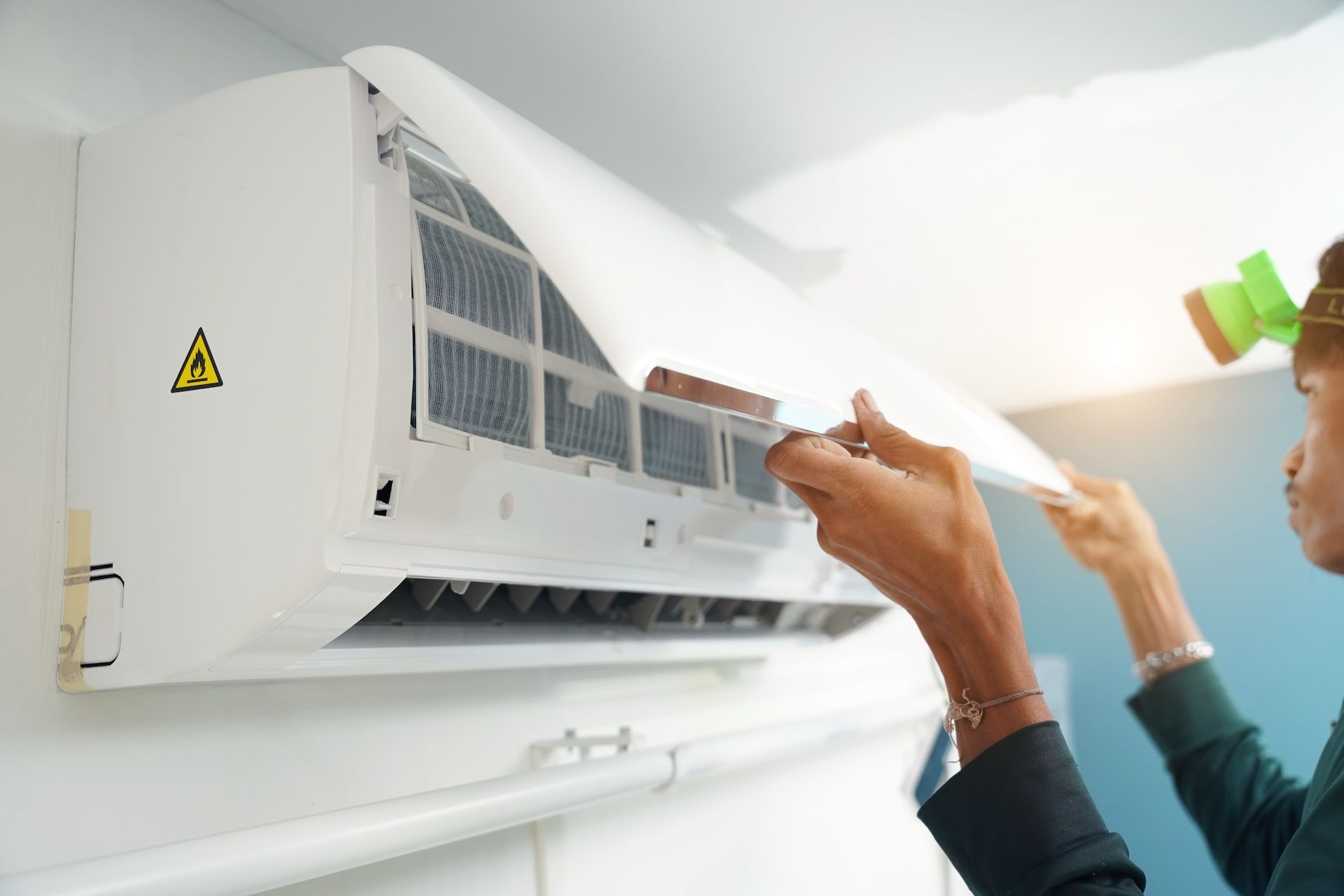
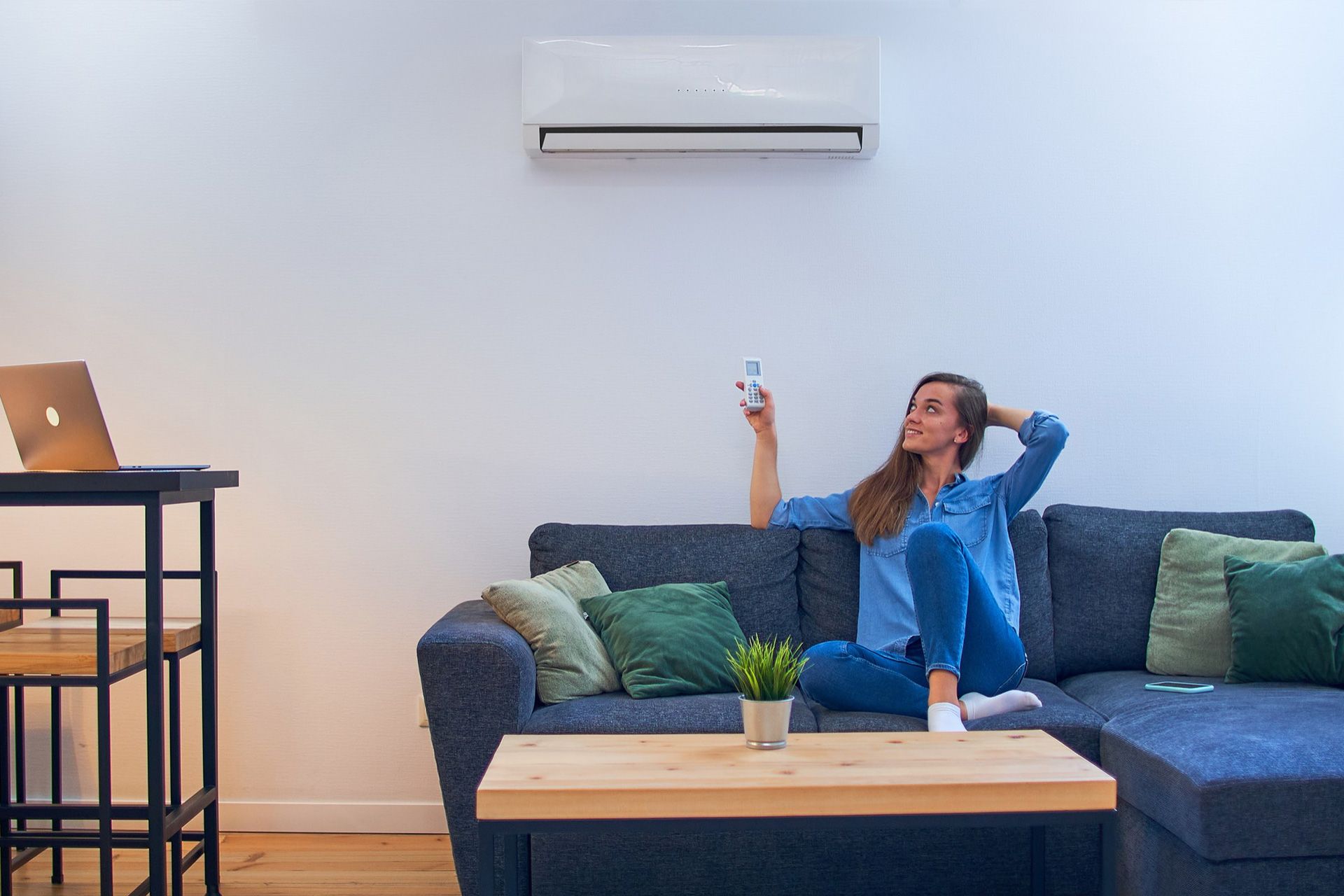
When the summer heat hits, the last thing you want is an air conditioner not working. A broken AC can make your home uncomfortable fast. The good news? Many common AC issues have simple fixes you can try before calling a professional. In this guide, we’ll walk you through the easiest ways to troubleshoot problems when your AC in the house is not working, when your air conditioner won’t turn on, or when your system is blowing warm air.
This article is designed to help homeowners across the USA understand what may be wrong and what they can safely do on their own. If the problem is bigger, you will know when it’s time to call an expert AC technician.
1. Check If Your Air Conditioner Will Turn On
One of the most common issues homeowners face is an air conditioner that won’t turn on. Before you assume the worst, try these simple steps:
Make sure the thermostat is working
The thermostat tells your AC when to turn on and off.
- Check that it is set to “Cool” mode.
- Make sure the temperature is set lower than the current room temperature.
- Replace the batteries, even if the screen is still on. Weak batteries can cause delays or incorrect signals.
Check your power source
Sometimes the problem is simply a power issue.
- Look at the circuit breaker. A tripped breaker is very common when the system works too hard.
- Reset the breaker once. If it trips again, don’t force it; this could mean there’s an electrical problem.
Inspect the outdoor disconnect switch
Near your outside AC unit, there’s usually a shut-off switch. Make sure it’s in the ON position.
If your AC still won’t turn on after checking these steps, you may need professional AC service to diagnose the issue.
2. When the Air Conditioner Is Not Cooling Properly
Another common problem is when the AC runs but doesn’t cool the house. If your air conditioner is not working the way it should, these steps may help:
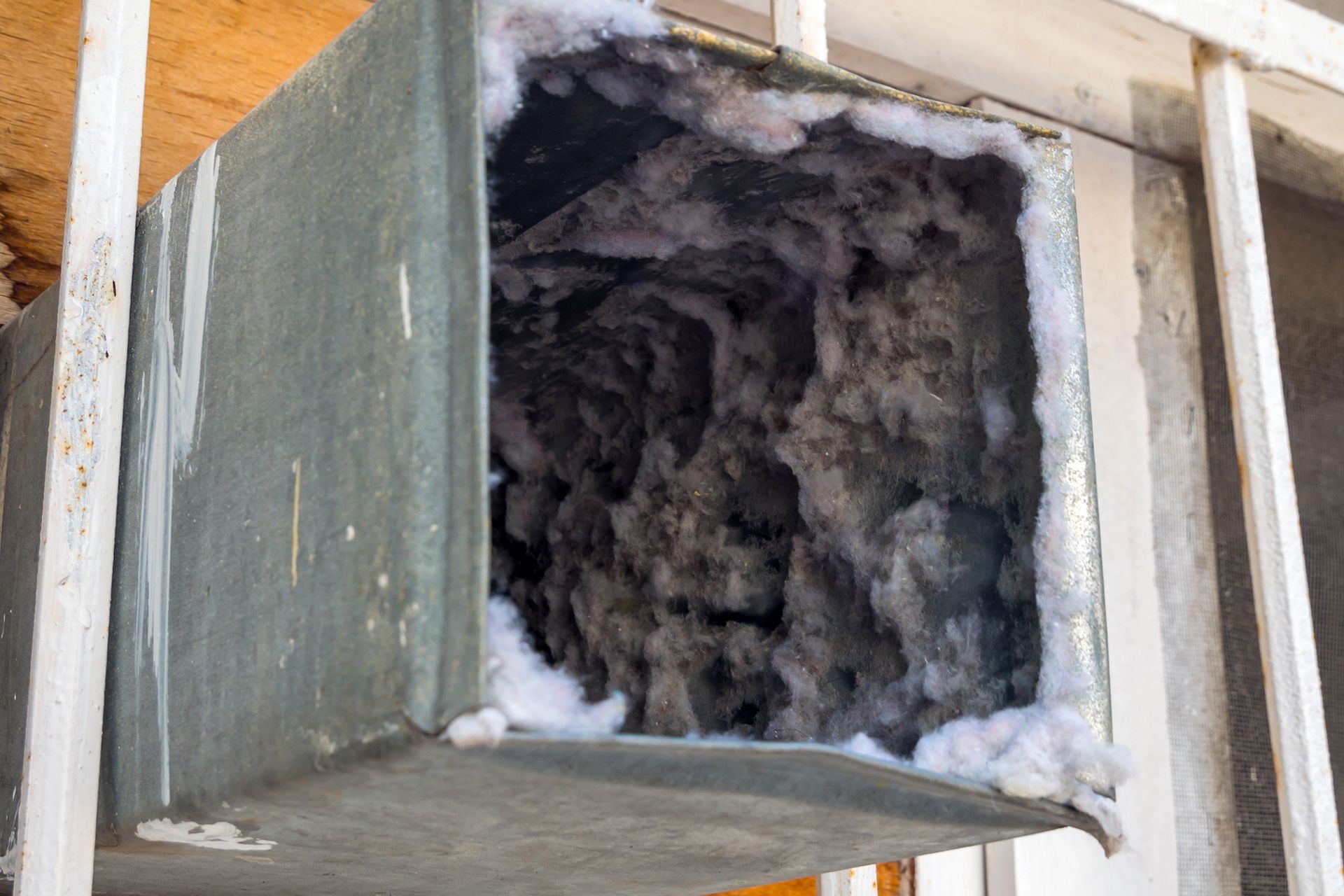
Change or clean the air filter
A dirty air filter is the number one cause of cooling problems.
When the filter is clogged, your AC cannot move enough air, causing warm or weak airflow.
- Check your filter every 30 days.
- Replace it at least every 1–3 months.
A clean filter can improve cooling, reduce allergies, and even lower energy bills.
Check for blocked vents
Walk through your home and make sure none of the
vents are closed or blocked by furniture.
Proper airflow is important for the AC to cool your home evenly.
Inspect the outdoor unit
The outdoor unit (also called a condenser) releases heat from your home.
If it’s covered in dirt, leaves, or grass, cooling will be much weaker.
- Gently remove any debris.
- Use a hose to rinse the fins from the outside in.
- Never use high pressure, as it can damage the fins.
3. AC Blowing Warm Air: What to Do
If your air conditioner is running but only blows warm air, try these AC repair tips:
Check refrigerant levels (professionals only)
Low refrigerant is a common cause of warm air. You cannot fix refrigerant levels yourself. Only licensed technicians can work with refrigerants. But you can look for signs:
- Ice on the refrigerant lines
- Hissing sounds near the outdoor unit
- AC running nonstop without cooling
If you notice any of these, call an AC technician immediately.
Inspect the evaporator coil
If the coil freezes, the AC will blow warm or weak air.
Turn off your AC and let it thaw for 2–3 hours.
Then turn the fan on to help speed up melting.
A frozen coil is often caused by:
- A dirty filter
- Low refrigerant
- Blocked ventilation
Fixing the first two items can prevent this from happening again.
4. Strange Noises Coming From Your AC
If your AC makes noises like banging, rattling, grinding, or clicking, something is wrong.
Banging or clanking
This often means something inside the unit is loose, such as a fan blade or motor part. Turn off your AC and call a professional.
Squealing or screeching
A worn-out belt or failing motor can make this sound. This needs quick repair to avoid total failure.
Buzzing
This may mean an electrical issue, loose wiring, or a failing capacitor. These should only be handled by professionals.
Clicking
Some clicking is normal, but constant clicking could mean a bad thermostat or relay switch.
Ignoring strange noises can lead to larger, more expensive problems.
5. Water Leaking From Your AC
Your air conditioner removes moisture from the air, so a small amount of water is normal. But if you see water leaking inside your home, try these steps:
Check the condensate drain line
A clogged drain line is one of the most common causes of leaking. The line can get blocked with dirt, algae, mildew, or debris.
You can try clearing it by:
- Using a wet/dry vacuum outside at the drain line
- Pouring a small amount of distilled vinegar into the indoor drain line
If leakage continues, you may need professional cleaning.
Check the drip pan
If the pan under your AC is cracked or rusted, water will leak.
A damaged drip pan must be replaced.
6. AC Running Constantly or Short Cycling
If your AC runs nonstop or stops and starts too quickly, there may be an issue.
Check your filter again
A dirty filter can cause both nonstop running and short cycling.
Check thermostat placement
If the thermostat is near a window or a heat source, it may sense the wrong temperature.
Check your refrigerant
Low refrigerant causes the AC to work harder and cycle incorrectly.
Check your unit size
If your AC is too small or too large for your house, it may cool unevenly or cycle often. Only a professional can confirm this.
7. When to Call a Professional AC Technician
While many problems are simple to fix, some require expert help. Call a certified AC technician when:
- The air conditioner won’t turn on after checking the power and thermostat
- You notice ice on the refrigerant lines
- The breaker keeps tripping
- You hear loud or strange noises
- You see water leaking inside the home
- The AC blows warm air for more than 24 hours
- You suspect low refrigerant
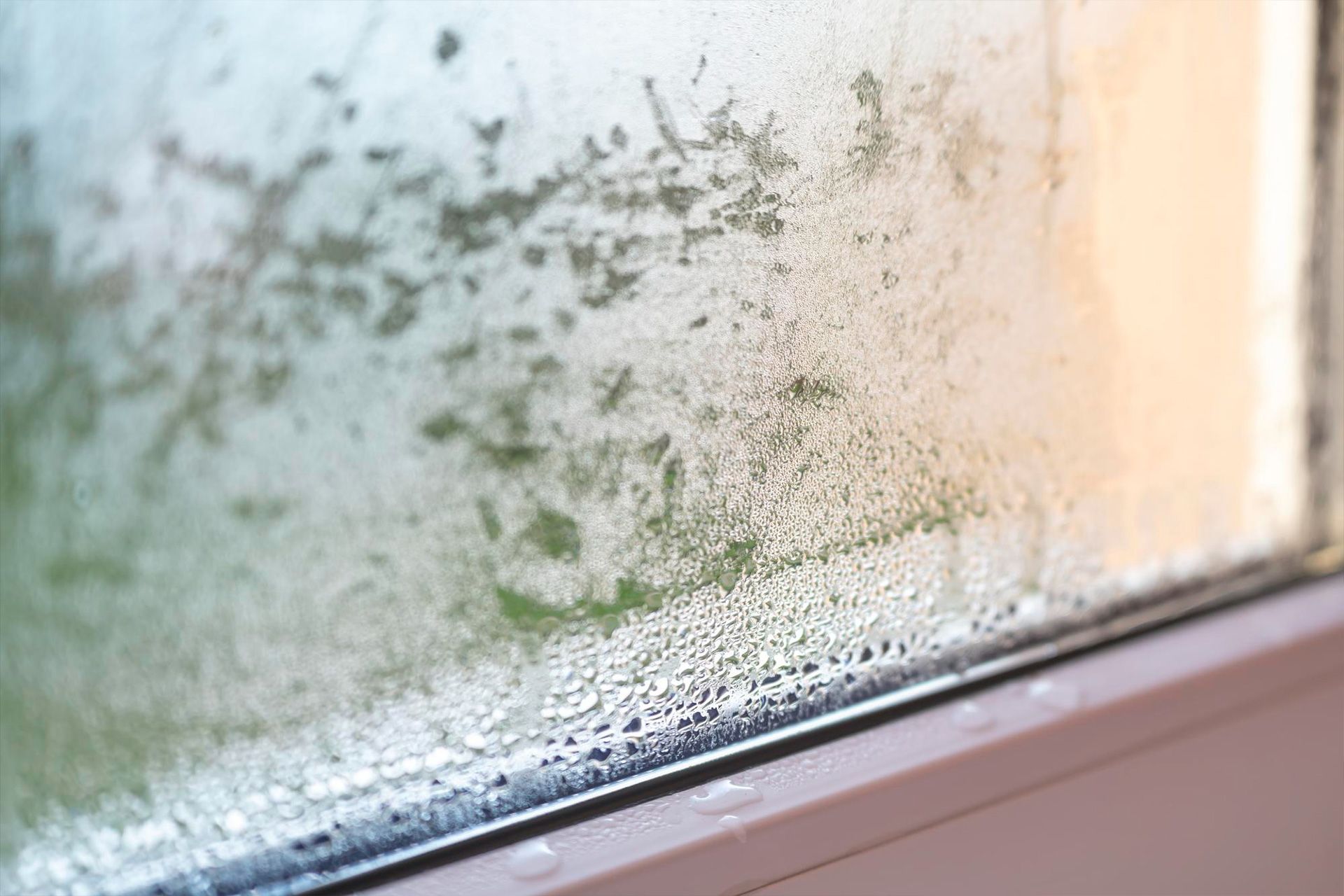
- The air in your home feels humid, sticky, or muggy
Professional AC repair can save you money by preventing long-term damage to your system.
8. Helpful AC Repair Tips for Homeowners
Here are simple ways to keep your AC running smoothly through the year:
- Replace air filters regularly
- Clean around the outdoor condenser
- Keep vents open
- Use a programmable thermostat
- Schedule yearly AC maintenance
- Never ignore unusual smells or noises
These small steps can extend the life of your system and keep your home comfortable all year long.
If your AC still isn’t working, contact Old School Cooling today for fast, reliable, and affordable air conditioning repair.
FAQs About Common AC Problems
Why is my air conditioner not working even though it’s on?
Your AC may have a dirty filter, blocked vents, low refrigerant, or a frozen coil. Start by checking simple items like the filter and thermostat.
What should I do if my air conditioner won’t turn on?
Check your thermostat settings, replace the batteries, and inspect your circuit breaker. If the AC still won’t turn on, call a technician.
Why is my AC in the house not working well during the day?
Your AC may be struggling due to high outdoor temperatures, dirty coils, or a failing condenser unit. Shade your outdoor unit if possible and keep filters clean.
Is it safe to troubleshoot my AC on my own?
Yes—basic tasks like cleaning filters, checking vents, and inspecting the outdoor unit are safe. Anything involving refrigerant, wiring, or internal parts should be handled by a licensed professional.
How often should I get my AC serviced?
Experts recommend a full AC tune-up once a year, ideally before summer begins.
Disclaimer: The information on this website and blog is for general informational purposes only and is not professional advice. We make no guarantees of accuracy or completeness. We disclaim all liability for errors, omissions, or reliance on this content. Always consult a qualified professional for specific guidance.
Search Blog
Recent Posts