
What is an Air Conditioner Contactor? - Contactor HVAC
What is an Air Conditioner Contactor?
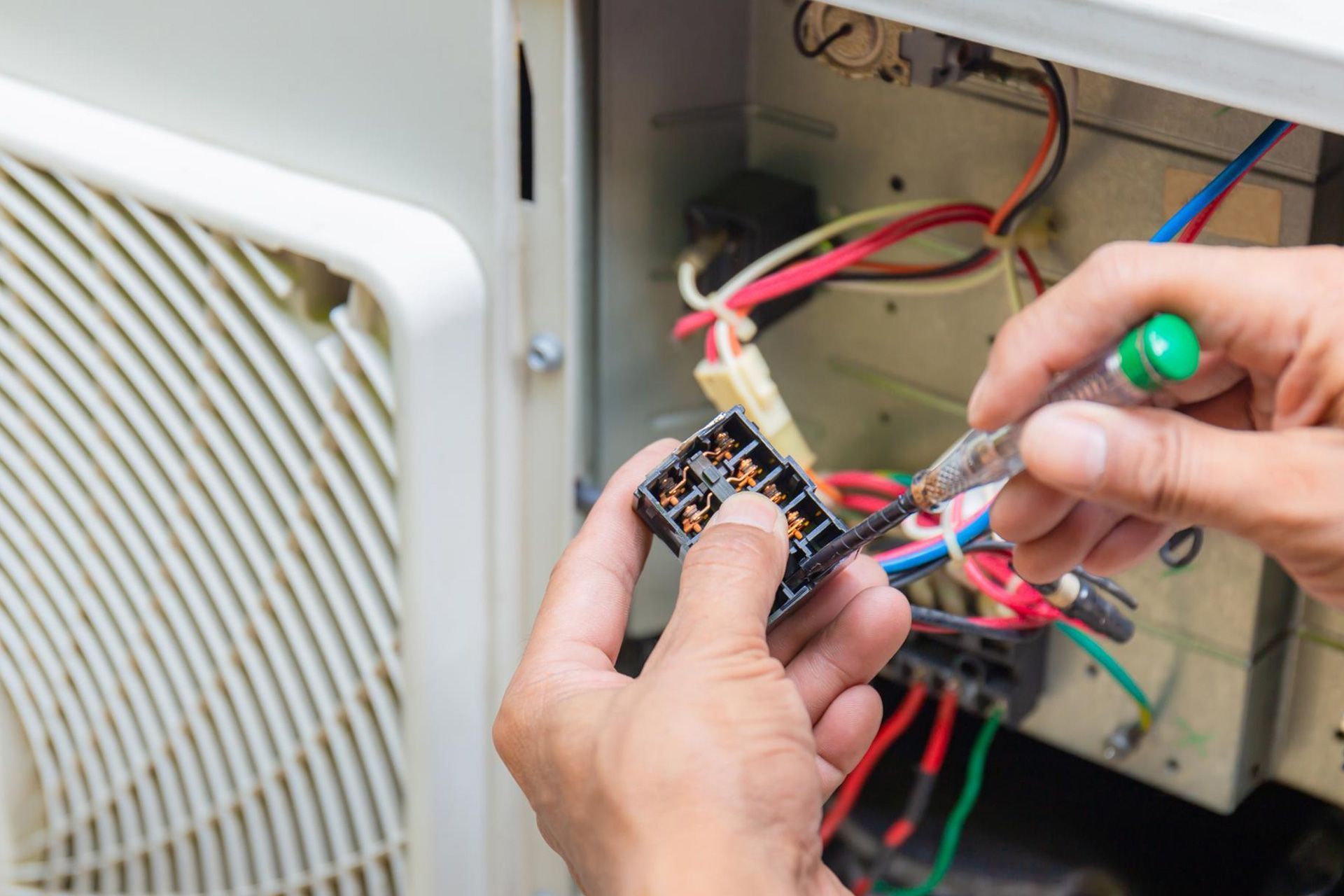
An AC contactor is a small but vital component in your air conditioning system. It acts like a switch that controls the flow of electricity to key parts of your AC, including the compressor and condenser fan. Without a properly working contactor, your air conditioner cannot function correctly.
Many homeowners don’t realize how important this part is until their AC stops working. Knowing what an air conditioner contactor does, how it works, and when to replace it can save you from unexpected breakdowns and costly repairs.
How an AC Contactor Works
An AC contactor works by using an electromagnet to open or close an electrical circuit. When your thermostat signals that cooling is needed, electricity flows to the contactor. This closes the contacts, allowing electricity to reach the compressor and condenser fan.
When the cooling cycle ends, the contactor opens the circuit, cutting power to these components. This on/off mechanism ensures that your AC runs only when needed.
Without a functioning contactor:
- The AC might not start at all
- The compressor or fan may run intermittently
- Electrical components may overheat
Understanding this simple but critical part helps you troubleshoot minor problems before they become major issues.
Types of AC Contactors
There are several types of HVAC contactors, each designed for different system sizes and functions:
- Single-Pole Contactors
- Used for smaller systems
- Controls one circuit at a time
- Double-Pole Contactors
- Handles higher-voltage systems
- Common in residential central air conditioners
- Definite Purpose Contactors
- Designed for specific HVAC equipment
- Usually factory-installed and matched to the unit
Choosing the right AC contactor is essential for safety and efficiency. Using the wrong type can lead to overheating, short circuits, or frequent failures.
Signs Your AC Contactor Needs Replacement
A failing air conditioner contactor may cause problems that people can confuse with other AC issues. Here are some common warning signs:
- AC does not turn on when the thermostat is set
- Intermittent cooling or fan operation
- Buzzing or clicking sounds from the outdoor unit
- Burn marks or visible pitting on the contactor
- Circuit breakers tripping frequently
If you notice any of these issues, it’s important to contact a professional for inspection. Replacing a contactor HVAC part on time can prevent bigger electrical problems in your system.
How to Inspect an AC Contactor
Inspecting an AC contactor is straightforward but requires safety precautions:
- Turn off the power to the AC unit at the breaker.
- Remove the service panel on the outdoor unit.
- Locate the contactor, usually near the compressor and fan wires.
- Check for physical damage such as burnt or pitted contacts.
- Listen for clicking sounds when the thermostat calls for cooling.
Professional HVAC technicians also test the contactor with a multimeter to ensure proper continuity and voltage. DIY inspection is fine for a visual check, but a trained technician should perform electrical testing.
AC Contactor vs. Relay
Many homeowners confuse a contactor with a relay. While both control electrical flow, they are used differently:
- Contactor HVAC: Handles high-voltage circuits like the compressor and condenser fan.
- Relay: Usually manages low-voltage circuits like the thermostat or control board.
Understanding this difference is important when troubleshooting electrical issues in your AC system. Using a relay where a contactor is needed can cause the system to fail.
Maintenance Tips for AC Contactors
Regular maintenance can extend the life of your AC contactor. Here are some tips:
- Keep the outdoor unit clean to prevent debris buildup
- Inspect the contactor annually for wear and pitting
- Ensure connections are tight and secure
- Replace worn contactors before they fail completely
Most HVAC professionals recommend checking the contactor during regular air conditioning service. Preventive maintenance can help your AC run efficiently and avoid costly emergency repairs.
Replacing an AC Contactor
Replacing a contactor HVAC component is relatively simple for a trained technician but can be dangerous if attempted without experience. Steps include:
- Turn off power at the breaker
- Remove the old contactor by disconnecting wires and mounting screws
- Install the new contactor of the correct type and rating
- Reconnect wires securely
- Test the system to ensure proper operation
Always ensure the replacement AC contactor matches the specifications of your system. Using the wrong amperage or voltage rating can damage your AC.
Benefits of a Well-Maintained AC Contactor
A functioning air conditioner contactor ensures the following:
- Reliable system startup and operation
- Longer life for the compressor and fan motor
- Reduced energy consumption
- Fewer emergency repairs
Maintaining this small component can make a big difference in your home’s comfort and energy efficiency. It’s a small investment that prevents major headaches.
Choosing a Reliable HVAC Company for Contactor Service
Not all HVAC companies handle contactor issues the same way. When looking for an HVAC contractor service, consider the following:
- Licensed and certified technicians
- Experience with residential and commercial AC systems
- Good customer reviews and references
- Transparent pricing and inspection reports
Professional technicians can inspect, repair, or replace AC contactors safely, ensuring your system operates smoothly and efficiently.
Conclusion
Understanding how an AC contactor works and recognizing signs of wear is essential for keeping your air conditioning system reliable and efficient. Proper maintenance and timely replacement prevent system failure and costly repairs.
For professional AC contactor inspection, troubleshooting, and replacement,
Old School Air Conditioning offers expert services. Their skilled technicians ensure your HVAC system operates smoothly, keeping your home cool and comfortable year-round. With Old School Air Conditioning, you can trust that experienced professionals maintain your system and deliver lasting results.
FAQs
What is an AC contactor?
An AC contactor is an electrical switch that controls the power to your air conditioner’s compressor and condenser fan. It allows the AC to turn on and off safely.
How do I know if my AC contactor is bad?
Signs include AC not turning on, buzzing sounds, frequent breaker trips, or visible burn marks on the contactor.
Can I replace an AC contactor myself?
It is not recommended for homeowners. Replacing a contactor involves handling high-voltage electricity, which can be dangerous. Always hire a licensed HVAC technician.
How long does an AC contactor last?
Most AC contactors last 5–10 years, depending on usage and maintenance. Regular inspection can extend their life.
What’s the difference between a contactor and a relay?
A contactor handles high-voltage circuits for components like compressors and fans. A relay manages low-voltage circuits such as thermostat controls.
How can I maintain my AC contactor?
Keep the outdoor unit clean, inspect the contactor for wear annually, ensure connections are tight, and replace worn parts promptly.
Why is my AC contactor buzzing?
Buzzing usually indicates worn contacts, electrical arcing, or a failing coil. It is a warning sign that the contactor may need replacement.
Disclaimer: The information on this website and blog is for general informational purposes only and is not professional advice. We make no guarantees of accuracy or completeness. We disclaim all liability for errors, omissions, or reliance on this content. Always consult a qualified professional for specific guidance.
Search Blog
Recent Posts