Can Your HVAC System Make Allergies Worse?
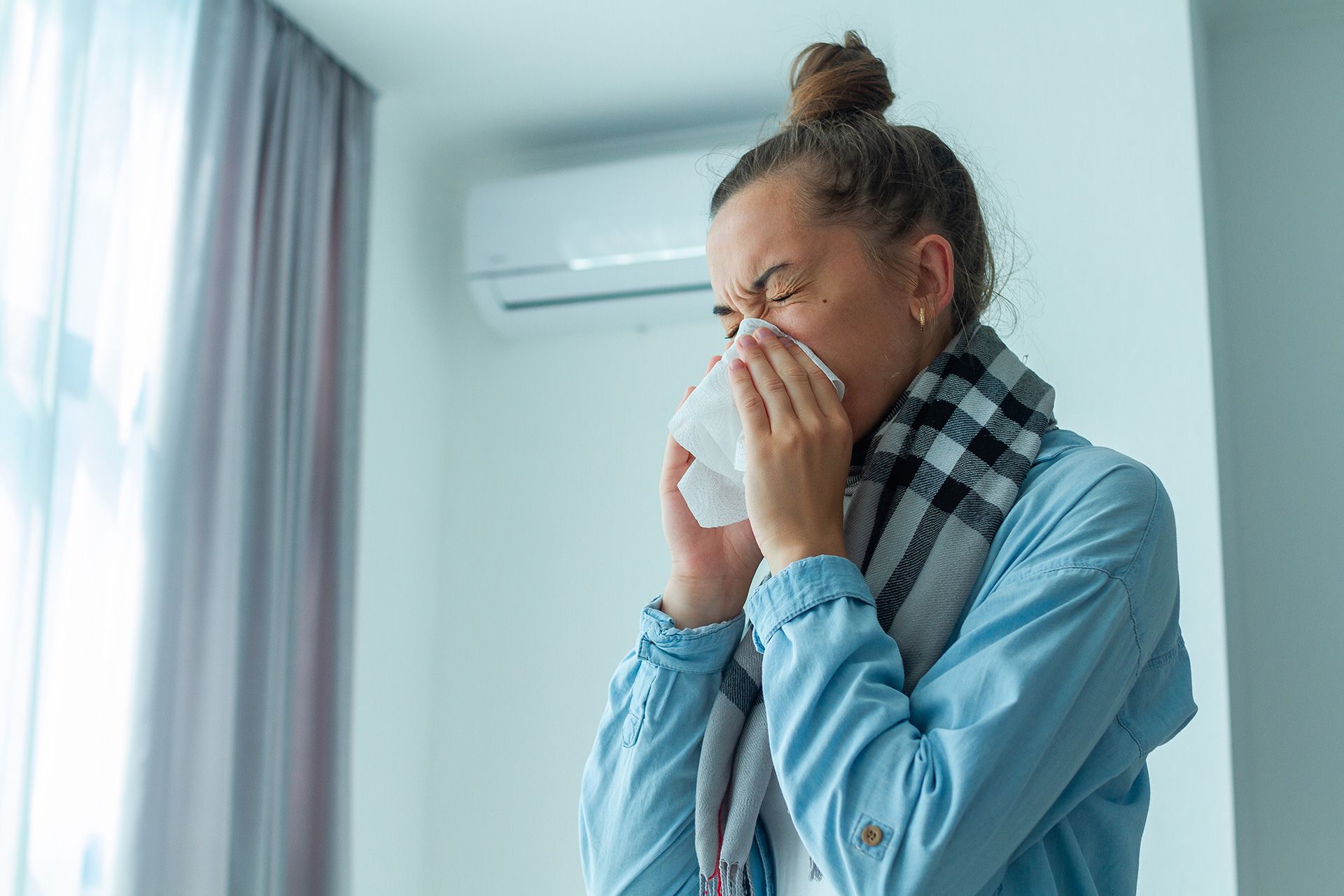
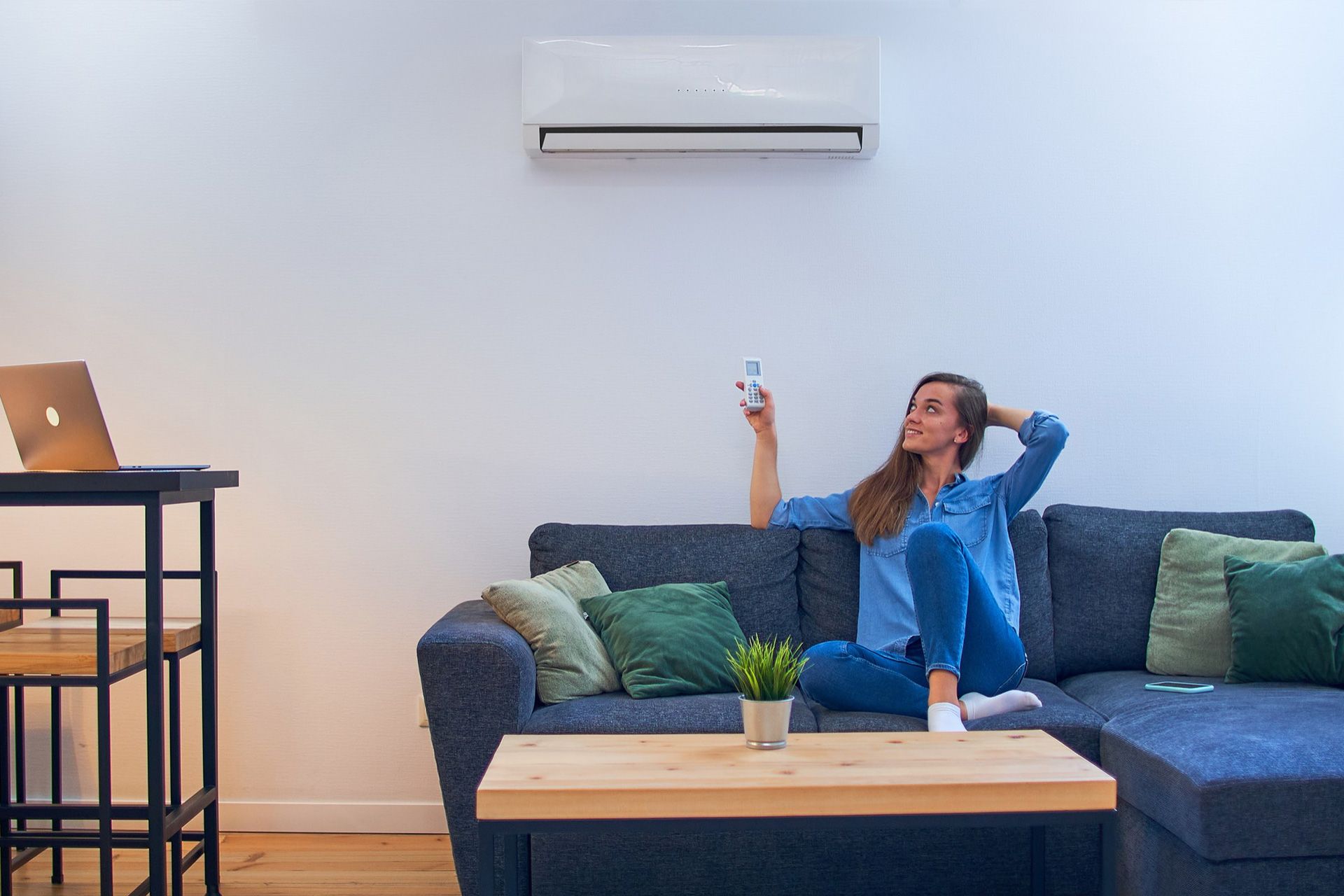
If you notice increased sneezing, coughing, itchy eyes, or congestion while indoors, your heating and cooling system could be part of the problem. Many homeowners assume allergies only come from outdoor pollen, but indoor air can also contain particles that trigger allergy symptoms.
A well-maintained HVAC system helps improve indoor air quality. However, when filters become dirty or dust builds up inside the system, it can circulate allergens throughout your home. This is why some people experience worsening HVAC allergies, especially during seasons when their system runs frequently.
In this guide, we will explain how your HVAC system can affect allergies, common sources of indoor allergens, and practical ways to create cleaner, healthier air inside your home.
How Your HVAC System Affects Indoor Air
Your HVAC system constantly moves air throughout your home. As air passes through the equipment, it carries tiny particles, including dust, pollen, pet dander, and mold spores.
When the system is clean and properly maintained, filters capture many of these particles before they circulate. But if maintenance is neglected, allergens in the air conditioning system components can spread throughout the house.
This is one reason homeowners sometimes notice allergy symptoms worsening indoors rather than outdoors.
Common Indoor Allergens Found in HVAC Systems
Your HVAC system does not create allergens, but it can collect and move them from one room to another. Some of the most common indoor allergens include:
- Dust
- Pollen
- Pet dander
- Mold spores
- Dust mites
- Outdoor debris
Over time, these particles can settle inside ducts, vents, filters, and coils. When airflow moves through the system, these particles may be carried back into living spaces.
Dirty Air Filters Can Trigger Allergy Symptoms
One of the most common causes of HVAC allergies is a dirty air filter. Air filters are designed to trap airborne particles before they enter the system. As filters become full, they lose their ability to capture contaminants effectively.
Instead of improving indoor air quality, clogged filters may reduce airflow while allowing more particles to circulate.
Signs Your Air Filter Needs Replacement
- Visible dust buildup
- Reduced airflow from vents
- More dust around furniture
- Increased allergy symptoms
- Longer cooling cycles
Knowing how often to replace your HVAC air filter can help improve indoor air quality, maintain system efficiency, and reduce airborne allergens.
Dust Inside Ductwork
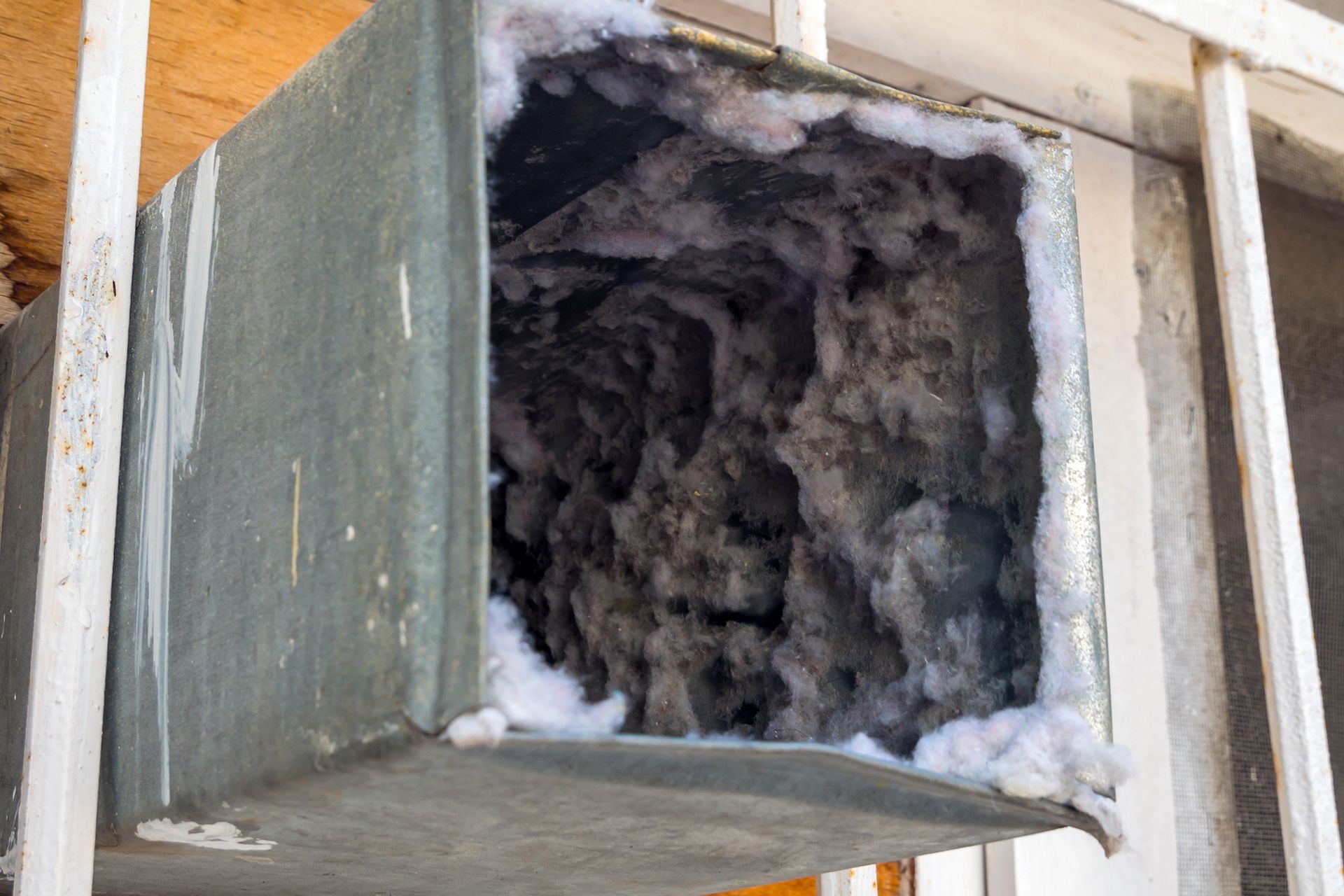
Many homeowners are surprised by how much dust can collect inside air ducts over time.
Small amounts of dust are normal, but excessive buildup can contribute to HVAC and dust allergies if particles become airborne whenever the system operates. Dust may contain:
- Fabric fibers
- Pet hair
- Skin particles
- Dirt from outdoors
- Pollen
Keeping your HVAC system clean helps reduce unnecessary dust circulation and HVAC allergies.
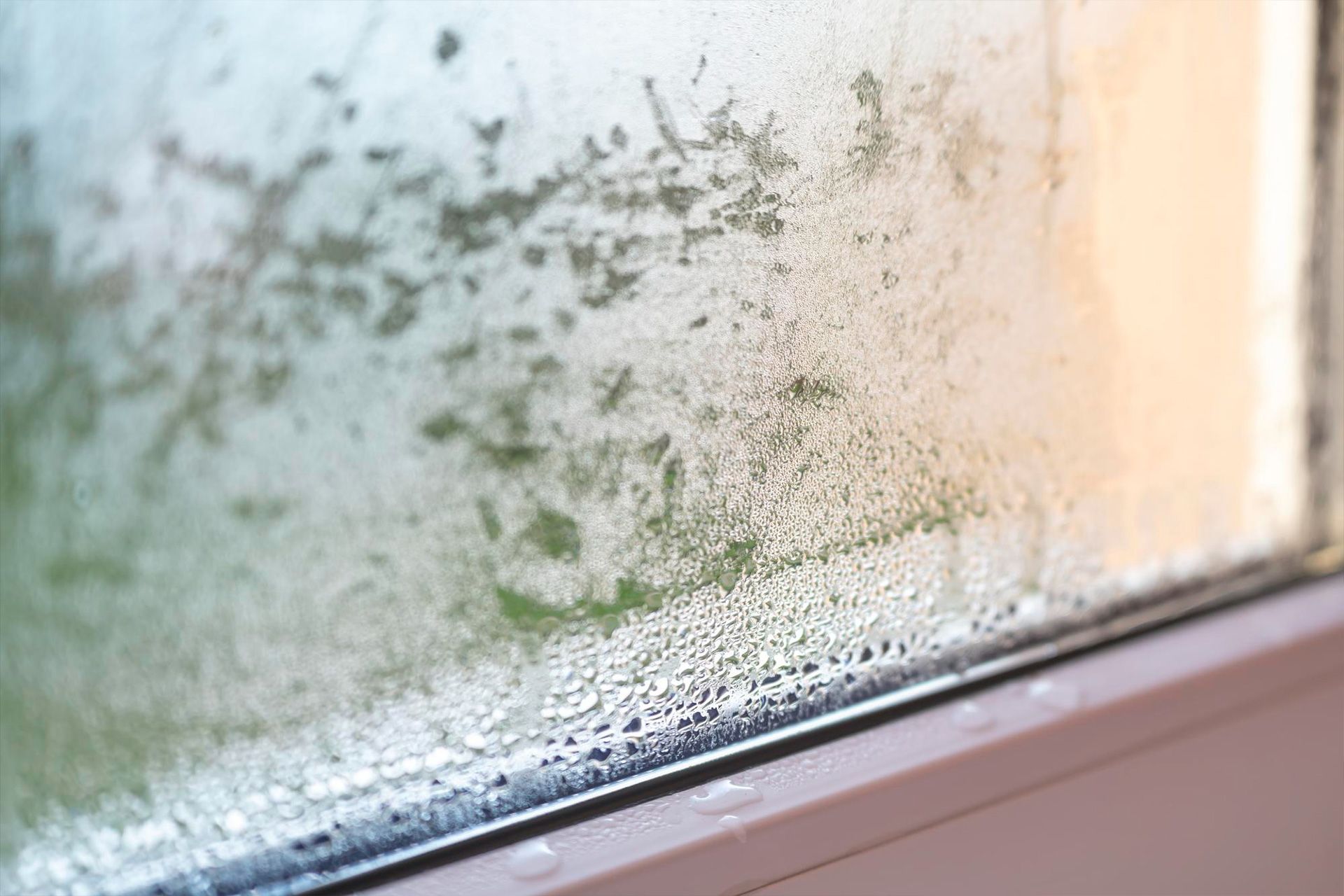
Mold Growth Inside the System
Moisture is a natural part of the cooling process. If moisture does not drain properly, mold may begin growing inside certain system components. Common areas include:
- Drain pans
- Evaporator coils
- Condensate lines
- Ductwork with excess moisture
Mold spores can become airborne and contribute to air conditioner allergies in sensitive individuals.
Routine inspections help identify moisture problems before mold spreads.
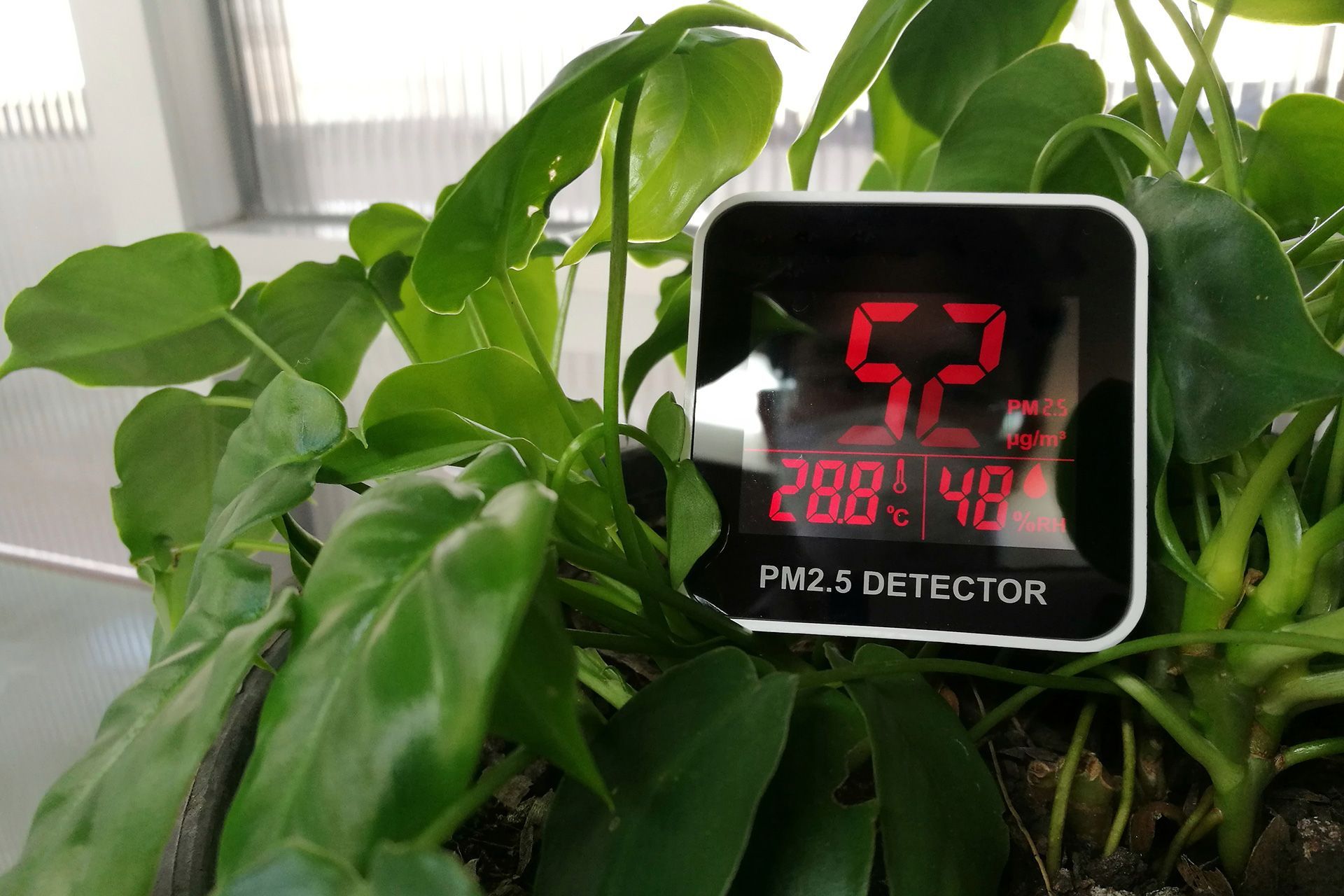
Poor Indoor Humidity
Humidity plays an important role in indoor comfort and air quality. Florida homes often experience high humidity for much of the year. Excess moisture encourages mold growth and supports dust mite activity.
On the other hand, extremely dry indoor air may irritate the nose and throat.
A properly functioning HVAC system helps maintain balanced indoor humidity levels that support healthier air to reduce HVAC allergies.
Pet Dander and Your HVAC System
Pet owners may experience more severe allergy symptoms because pet dander easily circulates throughout the home. Tiny skin flakes from cats and dogs can remain suspended in the air and become trapped inside filters and ductwork.
Without regular HVAC maintenance, pet dander may contribute to HVAC allergies and affect indoor air quality.
More frequent filter replacement may help homes with multiple pets.
Why Regular Maintenance Makes a Difference
Routine maintenance helps reduce the buildup of contaminants inside your HVAC equipment.
Professional maintenance typically includes:
- Cleaning coils
- Inspecting drain lines
- Replacing or checking filters
- Testing airflow
- Inspecting system components
These services help reduce allergens in air conditioning system areas while supporting better overall performance.
Can Air Conditioner Allergies Get Worse?
Many homeowners wonder whether cooling systems actually cause air conditioner allergies.
The answer is no. Air conditioners do not create HVAC allergies.
However, poor maintenance can allow dust, pollen, mold, and other particles to circulate indoors. This can increase symptoms associated with air conditioner allergies, especially for individuals who already have asthma or seasonal allergies.
A clean system supports healthier indoor air rather than worsening symptoms.
Signs Your HVAC System May Be Affecting Allergies
Your HVAC system may deserve attention if you notice:
- Sneezing indoors
- Itchy eyes
- Runny nose
- Persistent coughing
- More dust than usual
- Musty odors from vents
These symptoms do not always indicate an HVAC issue, but they may suggest the system needs inspection or maintenance.
The Role of High Quality Air Filters
Not all air filters perform the same. High-efficiency air filters can capture smaller airborne particles, including pollen and pet dander.
However, homeowners should always choose filters that match manufacturer recommendations to maintain proper airflow.
A professional technician can recommend filters that balance filtration with system efficiency.
Why Clean Coils Matter
Evaporator coils remove heat from indoor air during the cooling process. Over time, dirt may accumulate on coil surfaces. Dirty coils reduce efficiency and may contribute to moisture buildup that supports mold growth.
Keeping coils clean helps improve airflow and reduce conditions that allow allergens to develop within the air conditioning system.
When to Call an HVAC Professional
Some maintenance tasks are simple, but professional inspections provide a more complete evaluation. Consider scheduling service if you notice:
- Persistent allergy symptoms indoors
- Weak airflow
- Musty odors
- Excessive dust
- Visible mold near the HVAC equipment
- Frequent filter clogging
A professional technician can inspect the entire system and recommend appropriate solutions.
Conclusion
A properly maintained HVAC system should improve indoor comfort, not worsen the air conditioner allergies. Dirty filters, dust buildup, moisture, and mold can all contribute to HVAC allergies if maintenance is neglected. Regular inspections, filter cleaning, and routine service help reduce airborne contaminants and improve indoor air quality for your family.
Old School Cooling helps homeowners maintain cleaner, healthier indoor air through professional HVAC inspections, maintenance, and repair services. Our experienced team is committed to keeping your system operating efficiently while improving indoor comfort year-round.
We check key parts of your system, including filters, coils, airflow, and drainage. This helps us find dust buildup, moisture issues, and small problems before they affect your home’s air quality. Whether you need routine maintenance, AC repair, or help with indoor comfort concerns, we are ready to help.
Schedule your HVAC maintenance appointment today and breathe easier in your home.
Frequently Asked Questions
Can my system actually cause HVAC and dust allergies?
No. The system does not cause HVAC and dust allergies, but poor maintenance can allow dust, pollen, and mold to circulate indoors.
How often should I replace my HVAC air filter?
Most homeowners should check filters monthly and replace them every 30 to 90 days. This will remove allergens in the air conditioning system, depending on usage and indoor conditions.
Can dirty ducts make allergy symptoms worse?
Yes. Excessive dust inside ductwork may contribute to airborne particles that trigger allergy symptoms.
Will professional HVAC maintenance improve indoor air quality?
Professional maintenance helps keep filters, coils, and other components clean, reducing the buildup of airborne contaminants.
What is the best way to reduce allergens in my HVAC system?
Replace filters regularly, keep humidity in check, maintain a clean home, and schedule routine professional HVAC inspections to address air conditioner allergies.
Disclaimer: The information on this website and blog is for general informational purposes only and is not professional advice. We make no guarantees of accuracy or completeness. We disclaim all liability for errors, omissions, or reliance on this content. Always consult a qualified professional for specific guidance.
Search Blog
Recent Posts