How to Tell If AC Condenser Fan Motor Is Bad
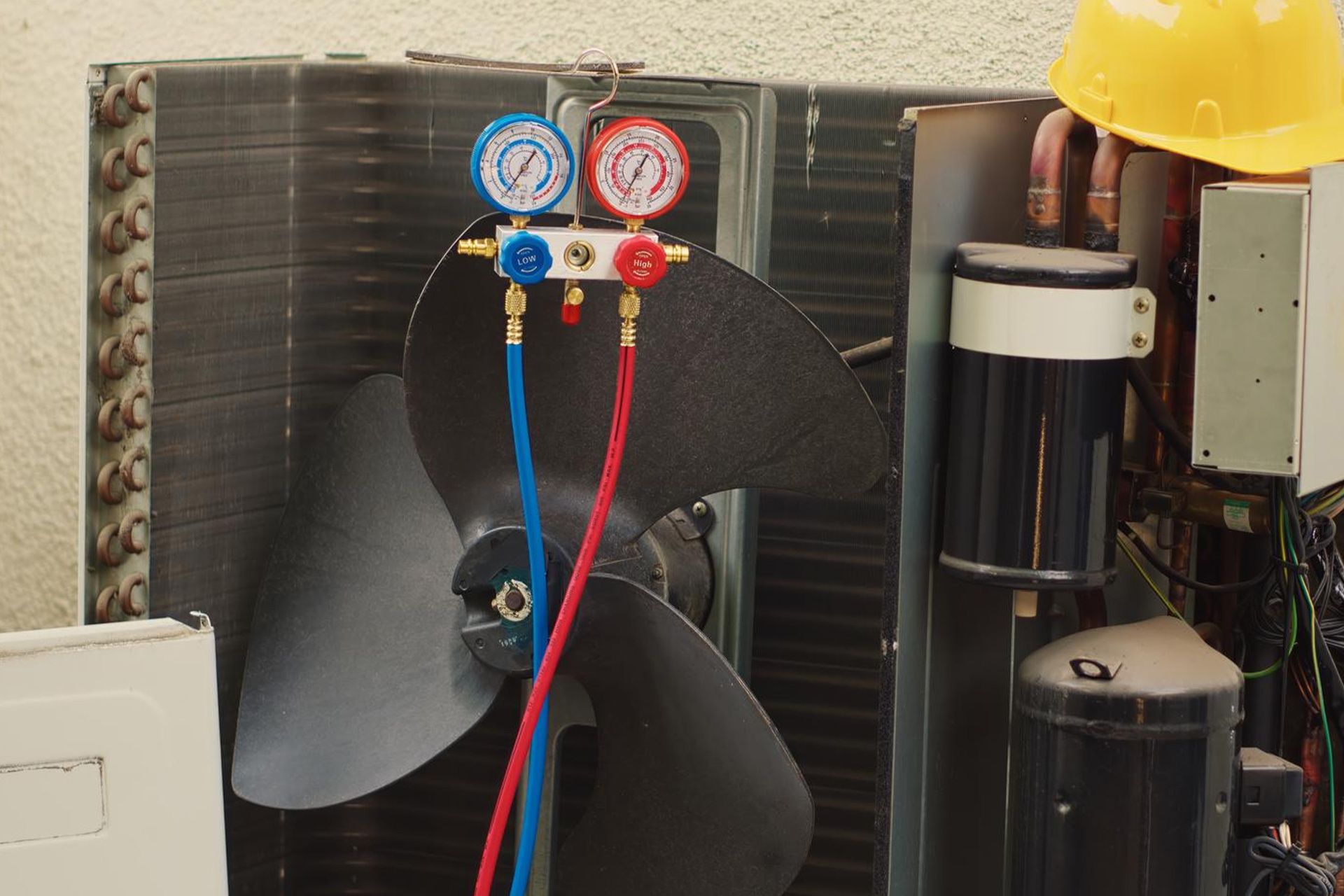
The AC condenser fan motor is a crucial part of your air conditioning system. It drives the fan in your outdoor unit, helping expel heat from the refrigerant. Without it, your air conditioner cannot cool your home effectively.
If your air conditioner condenser fan motor fails, the system may overheat, energy bills may rise, and other components can get damaged. Recognizing the signs of a failing motor and knowing how to maintain it can save you from costly repairs and discomfort during hot Florida summers.
This guide will cover everything you need to know about AC fan motors, including signs of failure, troubleshooting, maintenance, replacement, and when to call a professional.
What is an AC Condenser Fan Motor?
The AC condenser fan motor is located in the outdoor unit of your central air conditioner. Its job is to spin the fan that blows air over the condenser coils. This process removes heat from the refrigerant and allows your AC to cool your home efficiently.
Without a properly functioning AC unit condenser fan motor, your system will struggle to transfer heat, leading to the following:
- Overheating of the compressor
- Reduced cooling efficiency
- Higher energy bills
- Potential system failure
Understanding the function of this motor helps homeowners identify problems early and maintain the system effectively.
How an AC Condenser Fan Motor Works
The AC fan motor is powered by electricity and controlled by the thermostat. When your thermostat calls for cooling:
- Power is sent to the contactor in the outdoor unit.
- The motor starts spinning the fan blades.
- Air blows over the condenser coils, releasing heat from the refrigerant.
When the cooling cycle ends, the motor stops. A well-functioning fan motor ensures your system operates efficiently, prevents overheating, and maintains consistent indoor comfort.
Common Types of AC Fan Motors
AC systems use different types of air conditioner fan motors:
- Permanent Split Capacitor (PSC) Motors
- Common in older AC units
- Reliable and simple design
- Runs at one fixed speed
- Electronically Commutated Motors (ECM)
- High-efficiency, variable speed
- Adjusts speed according to cooling demand
- Found in modern AC units for energy savings
- Shaded Pole Motors
- Found in small or compact AC systems
- Less common in central air conditioners
- Simple design but less efficient
Knowing your AC electric fan motor type helps in troubleshooting and replacement.
Signs Your AC Condenser Fan Motor Is Bad
Here are common indicators that your air conditioner condenser fan motor may be failing:
- AC not cooling properly: warm air coming from vents.
- Fan not spinning: visible from the outdoor unit.
- Unusual noises: buzzing, squealing, or grinding can indicate electrical or mechanical failure.
- Frequent breaker trips: An overheating motor draws excess current.
- The fan stops intermittently, leading to uneven cooling.
- Burnt smell: worn wiring or overheating motor.
Ignoring these signs can lead to further damage to your AC system, including compressor failure, which is far pricier to repair.
How to Troubleshoot an AC Fan Motor
Before replacing the motor, try troubleshooting:
- Turn off power at the breaker.
- Inspect the fan blades for obstruction or damage.
- Check wiring connections: loose or damaged wires can prevent operation.
- Listen for unusual sounds: buzzing, rattling, or squealing.
- Test the motor with a multimeter only for those experienced with electrical components.
High voltage in AC systems can be dangerous. Always prioritize safety or call a licensed HVAC technician.
Maintenance Tips for AC Fan Motors
Regular maintenance keeps the air conditioner fan motor running efficiently.
- Clean the outdoor unit—remove debris, dirt, and leaves.
- Lubricate bearings—if your motor requires it.
- Inspect wiring and connections—check for corrosion or wear.
- Replace worn capacitors—weak capacitors can strain the motor.
- Schedule professional inspection at least twice a year.
A well-maintained AC condenser fan motor can last 10–15 years, depending on usage and local climate conditions.
Common Causes of Motor Failure
Knowing why AC unit condenser fan motors fail can help prevent problems:
- Electrical issues: power surges, faulty wiring, or bad capacitors.
- Overheating – Poor airflow, blocked vents, or dirty coils.
- Mechanical wear: Bearings and fan components degrade over time.
- Debris and corrosion: outdoor exposure to dirt, leaves, and moisture.
- Improper installation: wrong motor type or voltage rating.
Preventive care and timely repairs can significantly reduce the risk of motor failure.
AC Fan Motor Replacement
Replacing a fan motor for an AC unit requires safety and precision. Steps professionals follow include:
- Turn off the main power at the breaker.
- Remove the fan blade carefully.
- Disconnect wiring and remove the old motor.
- Install a new motor with the same specifications.
- Reattach the fan blade and test the system.
Using the correct motor type and rating is essential for safe operation. Improper installation can damage the AC unit or void warranties.
Choosing a Reliable HVAC Service
Working with a licensed HVAC fan motor professional ensures the following:
- Accurate diagnosis of motor and electrical problems
- Proper installation and replacement of fan motors
- Preventive maintenance to extend AC lifespan
- Fast service to reduce downtime and discomfort
Choose a company with good reviews, experience with residential AC systems, and transparent pricing.
Preventive Measures for Homeowners
Homeowners can take simple steps to protect their air conditioner motor:
- Keep the outdoor unit free from debris.
- Trim plants and grass near the unit.
- Change air filters regularly to reduce strain.
- Avoid blocking airflow around the condenser.
- Schedule professional AC tune-ups twice a year.
These measures improve efficiency, prevent motor failure, and extend the life of your AC system.
Why Early Detection Matters
Replacing an AC condenser fan motor before total failure is cheaper than repairing damage caused by a failed motor. Early detection prevents the following:
- Compressor burnout
- Overheating of other AC components
- High energy bills
- Emergency AC breakdowns during peak summer
By monitoring your system and calling for professional help at the first signs, you can avoid costly repairs.
Conclusion
Recognizing the signs of a failing AC condenser fan motor is crucial for keeping your air conditioning system running efficiently. Early detection and proper maintenance prevent bigger problems, improve cooling performance, and extend the life of your AC unit.
For expert inspection, repair, or replacement of your AC condenser fan motor, Old School Air Conditioning provides reliable services. Their experienced technicians ensure your system operates smoothly, keeping your home cool and comfortable year-round. With Old School Air Conditioning, you can trust that your AC system is in capable hands.
FAQs
What is an AC condenser fan motor?
It is the motor that drives the fan in your outdoor AC unit, helping remove heat from the refrigerant to cool your home efficiently.
How do I know if my AC fan motor is bad?
Common signs include warm air, fan not spinning, unusual noises, frequent breaker trips, and intermittent operation.
Can I replace the fan motor myself?
No. AC motors operate on high voltage. DIY replacement is dangerous. Always hire a licensed HVAC technician.
How long does an AC fan motor last?
With proper maintenance, most fan motors last 10–15 years.
Why is my condenser fan motor buzzing?
Buzzing can indicate electrical issues, worn bearings, or a failing capacitor. Immediate inspection is recommended.
How can I maintain my AC fan motor?
Clean the outdoor unit, inspect wiring and capacitors, lubricate bearings if applicable, and schedule regular AC maintenance.
What happens if the fan motor fails?
A failed fan motor prevents heat removal from the refrigerant, causing poor cooling, high energy bills, and potential damage to the compressor.
Disclaimer: The information on this website and blog is for general informational purposes only and is not professional advice. We make no guarantees of accuracy or completeness. We disclaim all liability for errors, omissions, or reliance on this content. Always consult a qualified professional for specific guidance.
Search Blog
Recent Posts