Reasons Why Your AC Is Not Cooling in Your Room
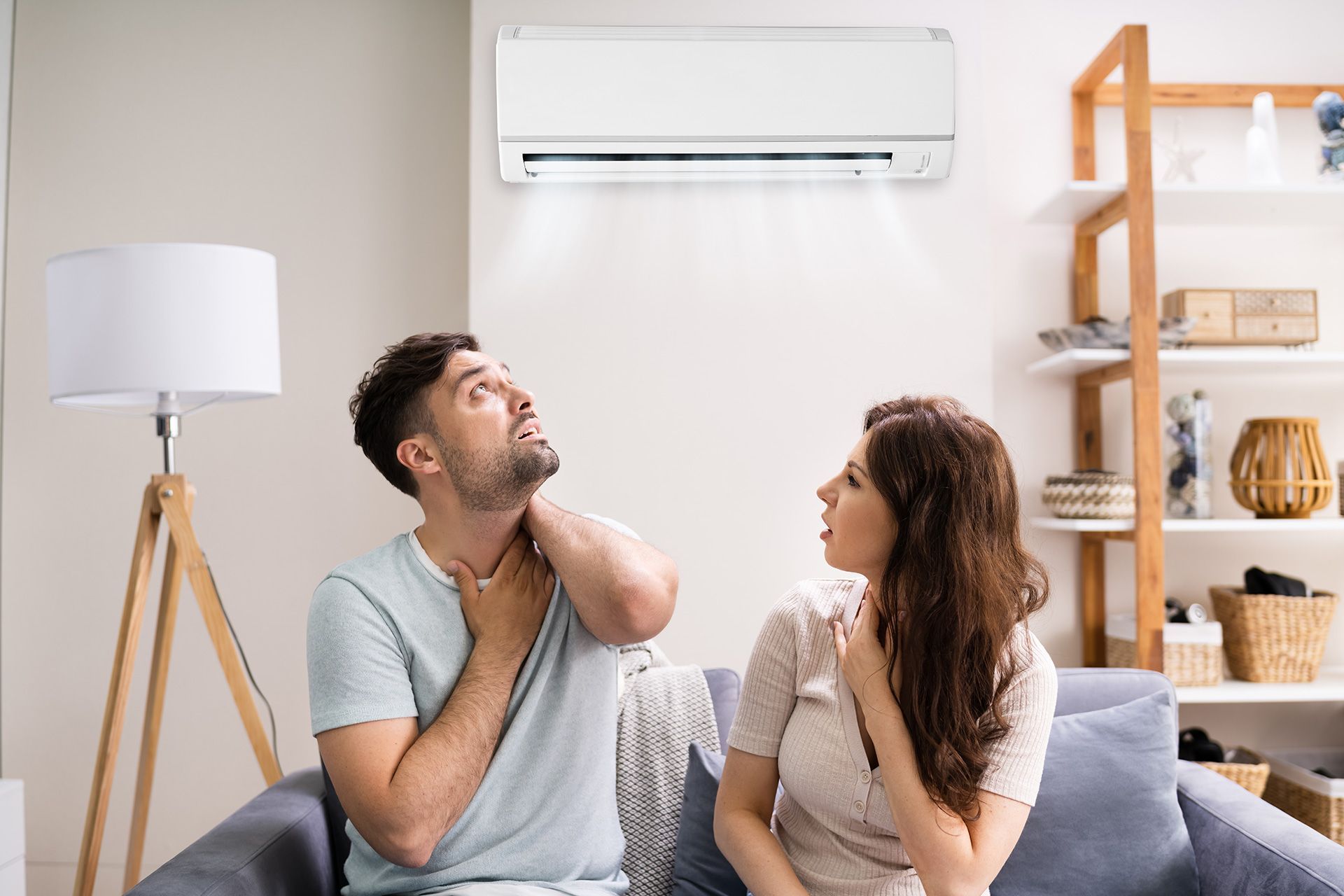
There is nothing more frustrating than turning on your air conditioner during a hot day and realizing your room still feels warm. Many homeowners ask the same question: “Why is my AC not cooling?” The answer can range from a simple maintenance issue to a larger system problem that needs professional attention.
Your air conditioner works hard to remove heat and humidity from your home. When something interrupts that process, comfort levels quickly drop. In some cases, the fix is simple. In other situations, you may need help from a professional HVAC contractor to restore proper cooling.
This guide explains the most common reasons your AC is not cooling your room and what you can do to improve system performance.
How Your AC System Cools Your Home
Before understanding cooling problems, it helps to know how your system works.
An air conditioner pulls warm air from inside your home, removes heat, and sends cooled air back through the vents. Several components must work together properly for this process to happen, including:
- Air filters
- Thermostat
- Refrigerant lines
- Evaporator coils
- Condenser unit
- Blower fan
- Ductwork
If one part stops working correctly, cooling performance can suffer.
Dirty Air Filter Restricting Airflow
One of the most common reasons an AC system stops cooling properly is a dirty air filter.
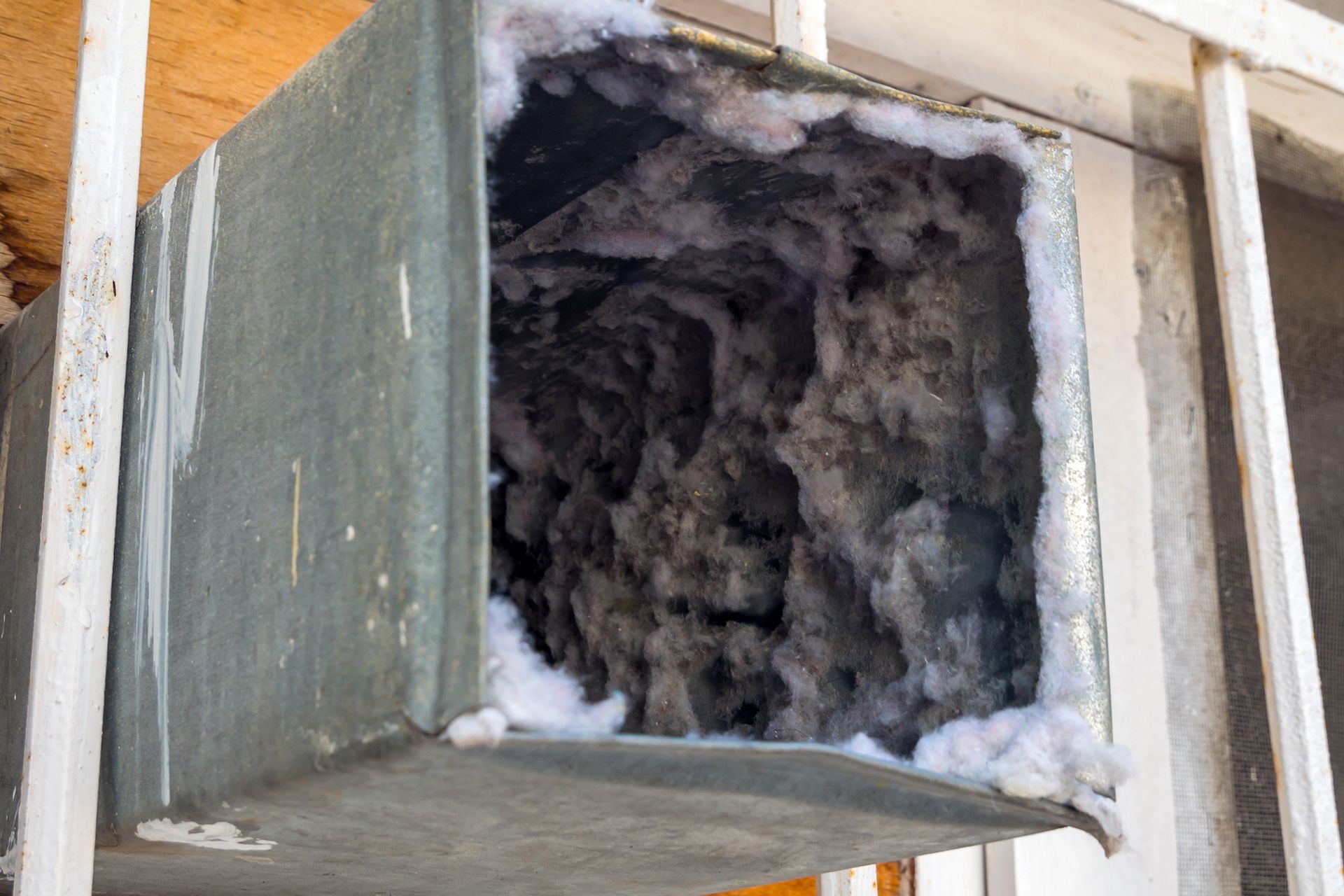
Air filters trap dust, dirt, and airborne particles. Over time, filters become clogged and restrict airflow. When airflow is reduced, your system struggles to circulate cool air throughout the room.
Signs of a Dirty Air Filter
- Weak airflow from vents
- Dust buildup around vents
- Rooms cooling slowly
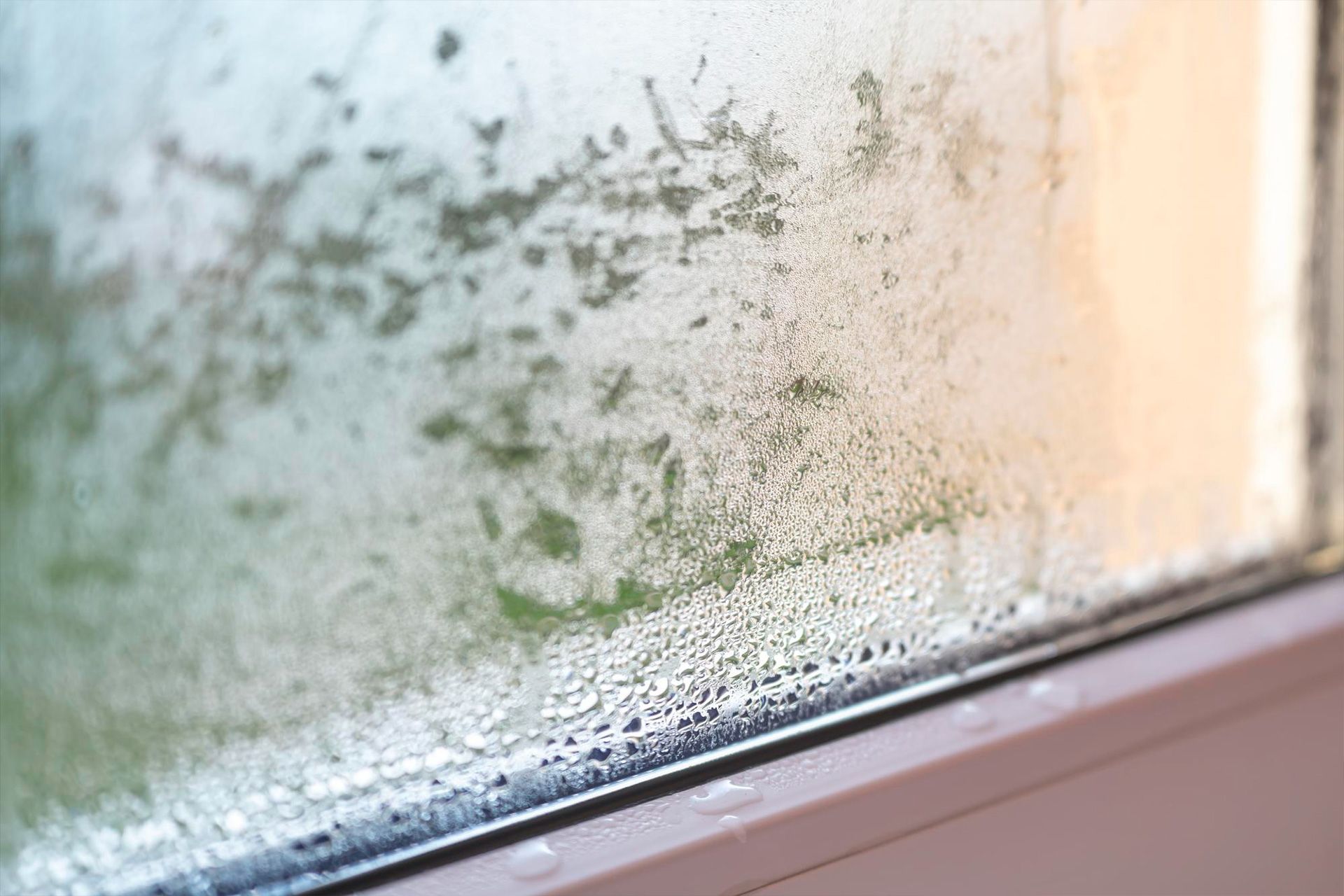
- Increased indoor humidity
Replacing the filter regularly helps your system run more efficiently and improves indoor air quality.
Thermostat Problems
Sometimes the issue is not the air conditioner itself. The thermostat may be causing incorrect temperature readings or communication problems.
Common Thermostat Issues
- Incorrect temperature settings
- Dead batteries
- Sensor problems
- Poor thermostat placement
For example, if the thermostat sits near a sunny window, it may think your home is warmer than it really is.
Check your thermostat settings before assuming major AC repair is needed.
Dirty Outdoor Condenser Unit
Your outdoor unit releases heat collected from inside your home. If the condenser becomes blocked by dirt, leaves, or debris, heat cannot escape properly.
This forces your system to work harder and may reduce cooling performance.
What Causes Condenser Blockages?
- Grass clippings
- Leaves
- Dirt buildup
- Plants growing too close
- Outdoor debris
Keeping the outdoor unit clean and clear improves airflow and system efficiency.
Low Refrigerant Levels
Refrigerant plays a major role in cooling your home. If refrigerant levels are low, your air conditioner cannot remove heat effectively.
Low refrigerant levels often result from leaks in the system.
Signs of Low Refrigerant
- Warm air coming from vents
- Ice buildup on coils
- Hissing sounds
- Longer cooling cycles
Refrigerant problems should always be handled by a professional HVAC contractor because specialized tools and training are required.
Frozen Evaporator Coils
Evaporator coils absorb heat from indoor air. When coils freeze, the cooling process becomes interrupted.
Frozen coils often happen because of:
- Dirty air filters
- Restricted airflow
- Low refrigerant
- Blower fan problems
If you notice ice around your indoor unit, turn off the system and contact a professional for inspection.
Leaking or Damaged Ductwork
Cool air travels through ducts before reaching your rooms. If ducts have leaks or damage, cooled air may escape before reaching the intended space.
This problem can make one room feel warm while other areas stay cooler.
Signs of Duct Problems
- Uneven room temperatures
- Weak airflow
- Higher energy usage
- Whistling sounds in walls or ceilings
Professional inspections can help locate hidden duct leaks and airflow restrictions.
Blocked or Closed Air Vents
Sometimes cooling problems have a simple explanation. Furniture, curtains, or rugs may block air vents and reduce airflow into the room.
Walk through your home and check that:
- Vents are fully open
- Furniture is not blocking airflow
- Dust is not covering the vent openings
Good airflow helps your AC system distribute cool air evenly.
Electrical Problems Affecting the System
Electrical issues can prevent parts of your HVAC system from operating correctly.
Common electrical problems include:
- Faulty capacitors
- Tripped breakers
- Loose wiring
- Damaged electrical connections
These issues may cause the outdoor unit or indoor blower to stop working properly.
Because electrical systems can be dangerous, repairs should be completed by a licensed professional HVAC contractor.
Your AC System Is Too Small
An undersized air conditioner may struggle to cool your home properly during hot weather.
If your system is too small for the space, it may:
- Run constantly
- Cool unevenly
- Increase humidity
- Wear out faster
Proper system sizing is important for long-term comfort and efficiency.
Poor Insulation Inside the Home
Even a well-functioning AC system can struggle if cool air escapes through poor insulation.
Common insulation problems include:
- Drafty windows
- Poor attic insulation
- Air leaks around doors
- Unsealed wall gaps
Improving insulation helps your home hold cool air longer and reduces stress on your system.
Aging Air Conditioning System
Older systems naturally lose efficiency over time. Components wear down, airflow weakens, and cooling performance declines.
Most air conditioning systems last around 10 to 20 years, depending on maintenance and usage.
If your system frequently needs AC repair or struggles to consistently cool your home, it may be time for a professional evaluation.
Lack of Regular HVAC Maintenance
Many cooling issues happen because systems are not serviced regularly. Routine AC maintenance helps identify small issues before they become larger problems.
Professional maintenance visits usually include:
- Cleaning coils
- Checking refrigerant levels
- Inspecting electrical parts
- Testing airflow
- Replacing filters
- Checking thermostat operation
- AC repairing for major issues
Regular service helps improve efficiency and system reliability.
When To Call a Professional HVAC Contractor
Some cooling problems can be solved with basic maintenance, but others require expert attention.
You should contact a professional HVAC contractor if:
- Your AC blows warm air
- Ice forms on the system
- Strange noises continue
- Airflow remains weak
- Energy bills rise suddenly
- Cooling problems keep returning
Professional inspections help diagnose issues accurately and prevent further damage.
Why Is My AC Not Cooling? Quick Repairs Matter
Ignoring cooling problems can lead to larger system damage over time. Small issues like dirty filters or low refrigerant may eventually cause major breakdowns if left untreated.
Early AC repairing helps:
- Prevent expensive damage
- Improve comfort
- Extend equipment lifespan
- Maintain indoor air quality
- Reduce system strain
Addressing problems early often keeps repairs simpler and less stressful. Learning more about tips to cool the upstairs of your home may help improve comfort and reduce unnecessary strain on your AC system.
Conclusion
If you have been wondering, “Why is my AC not cooling?” the issue could involve airflow restrictions, thermostat problems, refrigerant leaks, frozen coils, or aging equipment. Some problems have quick solutions, while others require professional diagnosis and repairs.
AtOld School Cooling, we help homeowners identify cooling problems and restore reliable indoor comfort with dependable HVAC solutions. Our experienced team provides thorough inspections, routine maintenance, and trusted repair services to keep your system running smoothly.
Schedule your AC service appointment today and enjoy a cooler, more comfortable home.
FAQs
Why is my AC running but not cooling the room?
This may happen due to dirty filters, low refrigerant levels, blocked vents, or thermostat issues that reduce cooling performance.
How often should I replace my AC air filter?
Most filters should be replaced every one to three months, depending on home conditions and system usage.
Can low refrigerant damage my AC system?
Yes. Low refrigerant can strain the compressor and reduce cooling efficiency if not repaired quickly. Thus, early AC repairing is recommended.
Should I turn off my AC if the coils freeze?
Yes. Turning off the system helps the ice melt and prevents additional strain on the equipment.
How often should professional HVAC maintenance be scheduled?
Most homeowners should schedule professional maintenance twice a year to prepare for the heating and cooling seasons.
Disclaimer: The information on this website and blog is for general informational purposes only and is not professional advice. We make no guarantees of accuracy or completeness. We disclaim all liability for errors, omissions, or reliance on this content. Always consult a qualified professional for specific guidance.
Search Blog
Recent Posts