Ceiling Fan Direction: Which way should my fan spin in winter or summer?
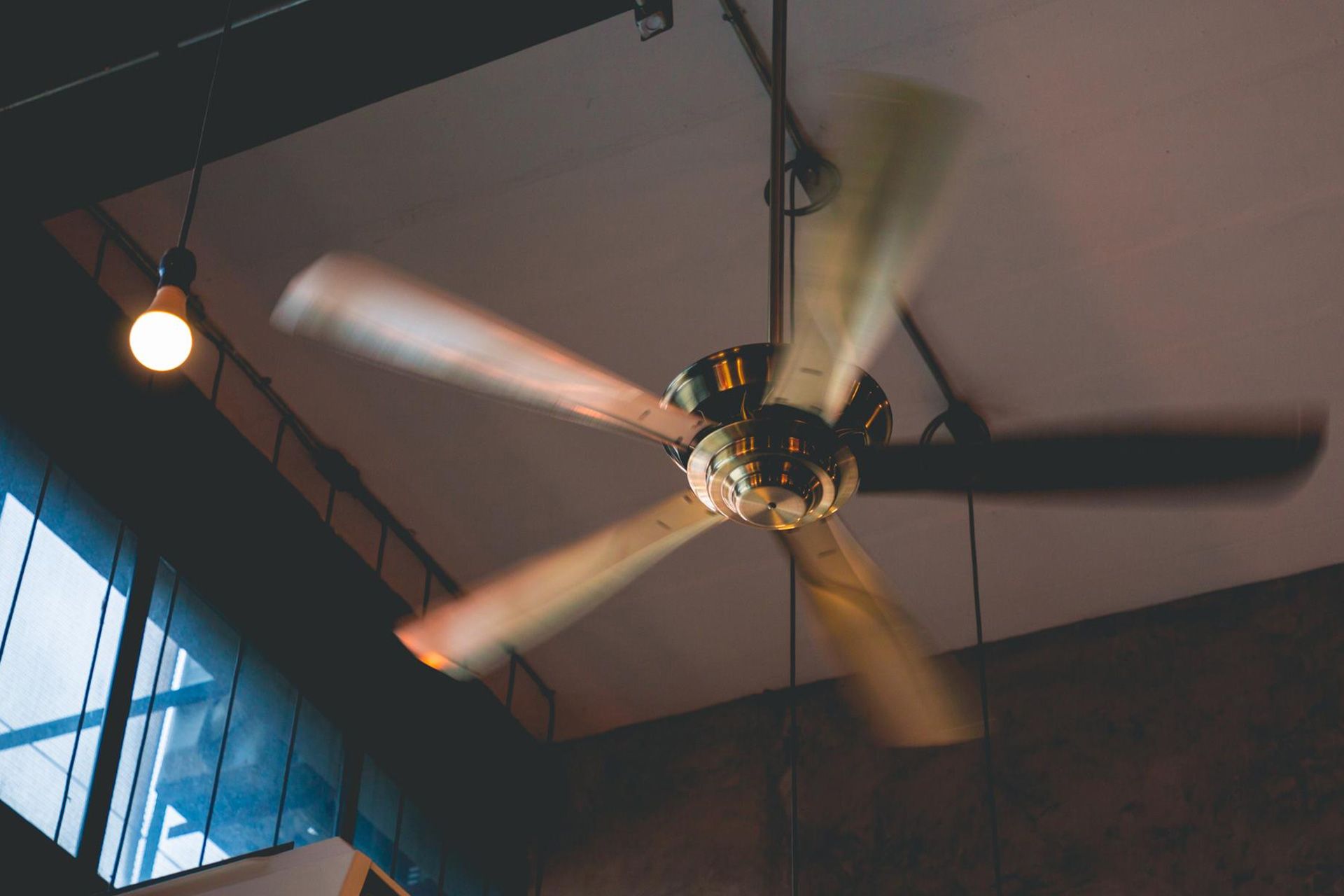
A ceiling fan is more than just a decorative fixture. It’s a key tool to control comfort and energy costs in your home. Knowing the correct ceiling fan direction for summer and winter can help you stay comfortable while lowering energy bills.
Fans circulate air to create either a cooling or warming effect. Using your fan the wrong way can make rooms feel uncomfortable and increase your utility costs. This guide will cover everything you need to know about fan direction, speed, placement, and energy-saving tips.
How Ceiling Fans Work
Ceiling fans don’t actually change the temperature, they move air. The direction of rotation determines whether the fan creates a cooling or warming effect.
- Summer: Fans spin counterclockwise (from below), blowing air downward. This creates a wind-chill effect, making you feel cooler.
- Winter: Fans spin clockwise at low speed, gently pulling cool air up and pushing warm air trapped near the ceiling down along walls.
Correct rotation ensures maximum comfort year-round and reduces reliance on HVAC systems.
Ceiling Fan Direction for Summer
During hot months, the goal is to stay cool. Proper fan rotation makes a big difference.
How to Set Your Fan
- Direction: Counterclockwise (when looking up at the fan)
- Effect: Air blows downward, creating a breeze that evaporates moisture from your skin
- Fan Speed: Medium to high
Benefits of Counterclockwise Rotation
- Enhanced comfort: The downward airflow cools your skin effectively.
- Reduced AC use: Feeling cooler allows you to raise your thermostat 3–4°F.
- Lower energy bills: Reduced AC load saves electricity.
- Faster heat dissipation: Helps circulate cooler air from AC vents throughout the room.
Tip: Fans only cool people, not empty rooms. Turn them off when the room is unoccupied to save energy.
Ceiling Fan Direction for Winter
In winter, fans help redistribute warm air that rises and collects near the ceiling.
How to Set Your Fan
- Direction: Clockwise (when looking up at the fan)
- Effect: Gently pulls cooler air upward and pushes warm air down along walls
- Fan Speed: Low
Benefits of Clockwise Rotation
- Even heating: Prevents cold spots near the floor.
- Energy savings: Reduces heating costs by keeping warm air in living areas.
- Comfortable indoor climate: Less need to constantly adjust your thermostat.
Tip: Run the fan slowly in winter. High speed causes unwanted wind chill, making the room feel colder.
How to Change Fan Direction
Most ceiling fans have a direction switch on the motor housing. Here’s how to adjust it safely:
- Turn off the fan and power.
- Locate the direction switch on the motor housing.
- Flip the switch to clockwise (winter) or counterclockwise (summer).
- Turn the fan back on and adjust speed to suit the season.
Some older fans may not have a switch and require blade repositioning or manufacturer-specific instructions. Always refer to the manual for proper guidance.
Ceiling Fan Placement Tips
Where you install your fan matters. Proper placement enhances efficiency:
- Center of the room: Maximum airflow and coverage.
- High ceilings: Use a longer downrod to reach optimal height (7–9 feet from the floor).
- Obstructions: Avoid placing fans too close to walls, lights, or furniture.
- Multiple fans: In large rooms, install fans evenly spaced to circulate air uniformly.
Correct placement ensures that fan rotation has the desired effect in both summer and winter.
Choosing the Right Ceiling Fan
Not all fans work well year-round. Consider:
- Reversible motor: Needed for clockwise and counterclockwise rotation.
- Blade size: 42–52 inches for most rooms; larger for big spaces.
- Multiple speeds: Allows precise airflow control.
- Energy efficiency: ENERGY STAR® rated models save electricity.
- Design: Match your room size and ceiling height for best airflow.
Selecting the right fan ensures maximum comfort and energy efficiency.
Common Mistakes Homeowners Make
- Running fans in empty rooms: Fans cool people, not the air.
- Wrong rotation: Counterclockwise in winter or clockwise in summer reduces effectiveness.
- High speed in winter: Causes wind-chill instead of distributing warm air.
- Neglecting blade cleaning: Dust reduces airflow and efficiency.
- Improper installation: A fan too close to the ceiling or walls can hinder airflow.
Avoiding these mistakes ensures optimal performance year-round.
Real-Life Examples
Example 1: A Jupiter homeowner noticed hot spots near the windows during summer. Setting the fan counterclockwise and adjusting the speed improved comfort, allowing a thermostat increase of 4°F and lower AC energy use.
Example 2: In winter, another homeowner’s ceiling fan was spinning counterclockwise. Switching to clockwise low-speed rotation redistributed warm air from the ceiling, reducing furnace runtime and making rooms feel evenly heated.
These examples highlight how simple adjustments in fan direction improve comfort and energy efficiency.
DIY Fan Maintenance Tips
Regular maintenance keeps fans working efficiently:
- Clean blades: Every 2–3 months to remove dust and improve airflow.
- Tighten screws: Loose blades can wobble or make noise.
- Check motor: Ensure smooth rotation and no unusual sounds.
- Lubricate moving parts: If your fan allows, reduce friction and wear.
- Replace bulbs and light kits: For fans with integrated lighting.
A well-maintained fan lasts longer and keeps your home comfortable all year.
How Fans Save Energy and Reduce Bills
Proper fan use complements HVAC systems:
- Summer: Feeling cooler allows you to raise the thermostat 3–4°F. This can reduce cooling costs by 10–15%.
- Winter: Pushing warm air downward reduces furnace runtime. Even a small reduction in heating demand saves energy.
Combining ceiling fans with smart thermostats maximizes energy savings and comfort.
Additional Tips for Maximum Comfort
- Adjust fan speed seasonally: High in summer, low in winter.
- Use with HVAC: Fans improve circulation, allowing your AC or heater to work efficiently.
- Close curtains/blinds in summer: Fans work better with less solar heat gain.
- Consider multiple fans in large spaces: Ensures uniform air distribution.
- Monitor room humidity: Fans help evaporation but don’t reduce humidity like AC.
These tips enhance comfort and improve efficiency, especially in Florida’s humid climate.
Conclusion
Correct ceiling fan direction for summer and winter keeps your home comfortable and energy-efficient year-round. Fans complement HVAC systems, reduce energy costs, and improve indoor climate.
For expert guidance on home cooling and heating solutions, including
AC repair, installation, and ceiling fan optimization, trust
Old School Air Conditioning. Their team ensures your fans and HVAC systems work together for maximum comfort, efficiency, and savings in any season.
FAQ
Which way should my ceiling fan spin in summer?
Counterclockwise, blowing air downward for a cooling breeze.
Which way should my fan spin in winter?
Clockwise at low speed to gently circulate warm air from the ceiling down along walls.
Can ceiling fans save money on AC or heating?
Yes, fans allow thermostat adjustments, reducing energy usage and lowering bills.
How do I change the fan direction?
Turn off the fan, flip the direction switch on the motor housing, then restart the fan.
Do all fans have a direction switch?
Most modern fans do. Older models may require blade repositioning—always check the manual.
Should I run fans in empty rooms?
No. Fans only cool people, so running them in empty rooms wastes energy.
How often should I clean fan blades?
Every 2–3 months, or more frequently in dusty areas, to maintain airflow and efficiency.
Disclaimer: The information on this website and blog is for general informational purposes only and is not professional advice. We make no guarantees of accuracy or completeness. We disclaim all liability for errors, omissions, or reliance on this content. Always consult a qualified professional for specific guidance.
Search Blog
Recent Posts