How Often Should I Change My AC Vent Filter?
Your AC vent filter is one of the most important parts of your HVAC system, yet people often overlook it. It captures dust, pollen, pet dander, and other airborne particles before they circulate through your home. A clean filter keeps your air fresh, reduces allergens, and ensures your air conditioning system runs efficiently.
Replacing your air filter for the AC vent regularly is critical. A dirty or clogged filter restricts airflow, causes the system to work harder, increases energy bills, and can even damage your HVAC system over time. But how often should you change it?
This guide will explain:
- How AC vent filters work
- Types of filters for air vents
- Factors affecting replacement frequency
- Signs it’s time to replace your filter
- Tips to extend filter life
- Common mistakes to avoid
- Benefits of regular filter replacement
By the end, you’ll know exactly how to keep your filters for air vents in top condition for healthy air and efficient cooling.
What is an AC Vent Filter?
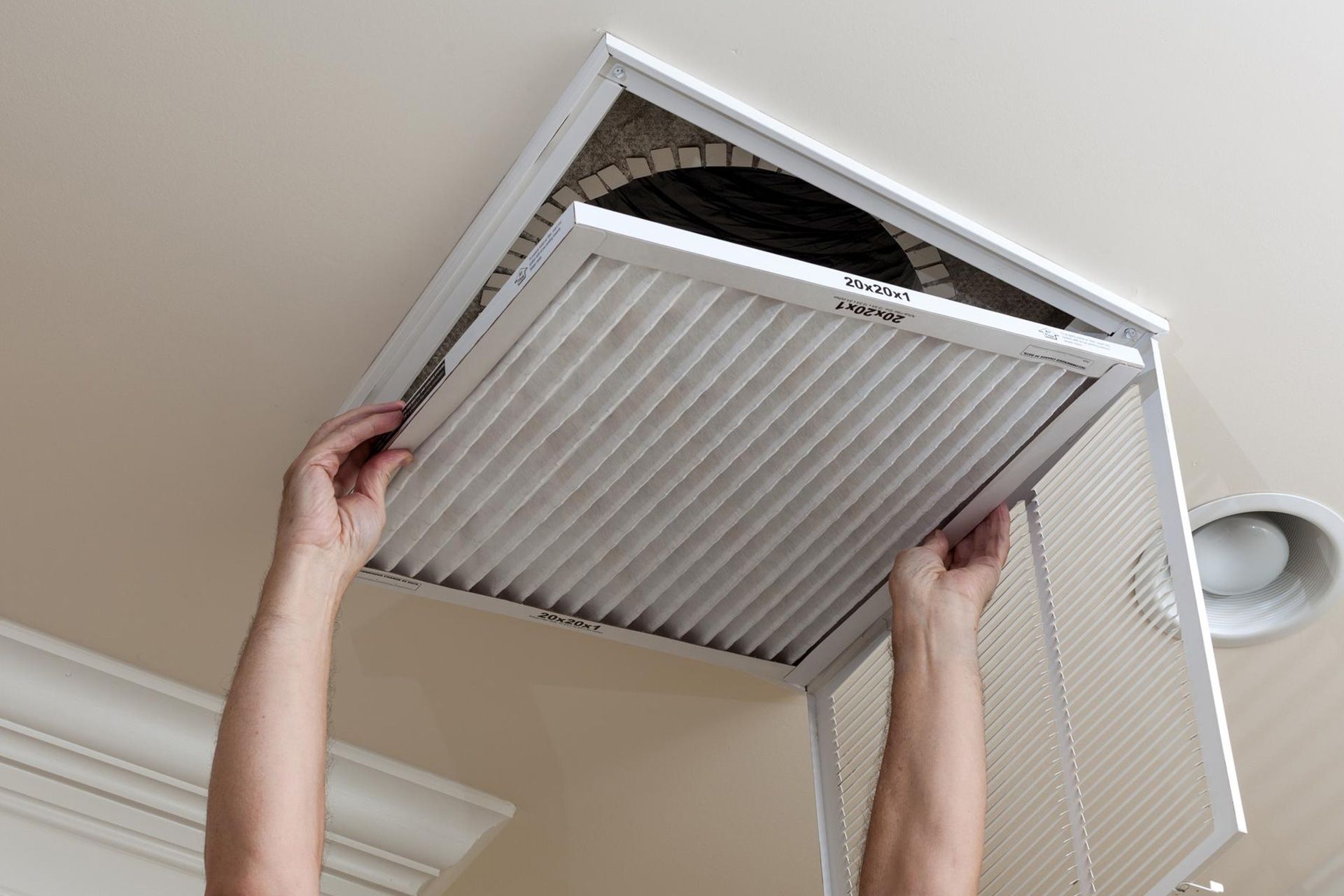
An AC vent filter is a barrier that traps dust, allergens, and debris from the air before it enters your home. Filters are typically installed at the return air vents or inside the HVAC system’s air handler. Some systems may have multiple filters in different locations, especially in larger homes.
Key benefits of AC vent filters include:
- Protecting your HVAC system from dust buildup
- Improving indoor air quality by capturing allergens
- Extending the life of your AC system
- Maintaining consistent airflow and system efficiency
Without a functioning filter, dirt and debris can accumulate on coils, fans, and ducts, reducing efficiency and potentially causing system failure.
How AC Vent Filters Work
AC vent filters work by forcing air through a material designed to trap particles. As air passes through the filter:
- Large particles like dust and hair are trapped on the surface.
- Smaller particles, including pollen and mold spores, are captured by finer filter materials such as pleated or HEPA filters.
- Clean air is then distributed throughout your home through the ducts and vents.
This simple yet critical process ensures that your air conditioner delivers clean, cool air efficiently while protecting internal components.
Types of AC Vent Filters
There are several types of filters for air vents, each with unique features:
- Fiberglass Filters
- Cheapest option, disposable
- Traps large particles only
- Typically replaced every 30 days
- Pleated Filters
- More efficient than fiberglass
- Captures smaller particles including dust mites and pollen
- Replacement recommended every 3 months
- Electrostatic Filters
- Uses static electricity to attract dust
- Can be disposable or washable
- Often reusable for 1–3 months depending on cleaning
- HEPA Filters
- High-efficiency particulate air filters
- Captures 99% of airborne particles, including allergens
- Lasts 6–12 months depending on usage
- Carbon Filters
- Reduce odors, smoke, and volatile organic compounds (VOCs)
- Often used with pleated or HEPA filters
Choosing the right filter type for your home depends on your air quality needs, AC system, and household conditions such as pets or allergies.
How Often Should AC Vent Filters Be Changed?
The frequency of AC vent filter replacement depends on several factors:
1. Filter Type
- Fiberglass: Replace every 30 days
- Pleated: Replace every 3 months
- Electrostatic: Replace or clean every 1–3 months
- HEPA: Replace every 6–12 months
2. Home Environment
- Pets: Homes with pets require more frequent changes due to hair and dander buildup.
- Dusty or pollen-heavy areas: Replace filters sooner to maintain airflow and air quality.
- Allergy sufferers: Monthly checks are ideal to reduce allergens.
3. AC Usage
- Heavy usage during summer and winter can clog filters faster.
- Less usage may allow for longer replacement intervals, but monthly inspection is still recommended.
4. Manufacturer Recommendations
Always follow the filter or HVAC manufacturer’s guidelines, as some systems may require specific replacement schedules for optimal performance.
Tip: Checking your filter monthly is a good habit. If it looks dirty or clogged, replace it immediately.
Signs Your AC Vent Filter Needs Replacement
Even with a set schedule, you should monitor your filter for these signs:
- Reduced airflow – Weak airflow indicates a clogged filter.
- Visible dust or debris – If the filter looks dirty, it’s time to replace it.
- Higher energy bills – A dirty filter causes your AC to work harder.
- Frequent AC cycling – Short on/off cycles may indicate restricted airflow.
- Unpleasant odors – Musty or stale smells suggest accumulated debris or mold.
Ignoring these signs can reduce indoor air quality and strain your AC system, leading to costly repairs.
How to Replace Your AC Vent Filter
Replacing your air filter for the AC vent is simple:
- Turn off your HVAC system for safety.
- Locate the filter at the return vent or air handler.
- Remove the old filter and note the airflow direction indicated by arrows.
- Make sure the new filter is inserted with the arrows all pointing in the same direction.
- Ensure a snug fit without gaps.
- Turn the system back on and monitor airflow.
Setting reminders or calendar alerts helps maintain a consistent replacement schedule.
Tips for Extending Filter Life
While some filters require monthly replacement, others can last longer with proper care:
- Vacuum reusable filters – Electrostatic or washable filters can be vacuumed to remove dust.
- Keep vents clean – Regularly vacuum around vents to reduce dust accumulation.
- Close windows and doors – Prevents dust and pollen from entering the system.
- Use high-quality filters – Higher-grade filters trap more particles and last longer.
These simple steps reduce strain on your AC system and improve indoor air quality.
Common Mistakes to Avoid
Avoid these common errors when dealing with AC vent filters:
- Ignoring manufacturer recommendations
- Installing the filter backward
- Using low-quality filters that don’t trap enough dust
- Skipping monthly checks or maintenance
Correct installation and regular checks keep your HVAC system efficient and protect indoor air quality.
Benefits of Regular AC Vent Filter Replacement
Replacing filters for air vents regularly offers several advantages:
- Cleaner air: Reduces allergens, dust, and pollutants.
- Lower energy costs: Efficient airflow reduces electricity consumption.
- Longer HVAC lifespan: Prevents system strain and reduces repairs.
- Better comfort: Consistent airflow keeps your home evenly cooled.
- Reduced health risks: Minimizes exposure to airborne allergens and contaminants.
Expert Tips for Maintaining Your Filters
- Label the replacement date on the filter or set phone reminders.
- Check filters during seasonal changes, particularly before summer and winter.
- Consider upgrading to a higher MERV-rated filter for homes with allergy or asthma concerns.
- Keep pets groomed to reduce hair and dander accumulation in filters.
- Schedule professional HVAC inspections to ensure overall system health.
Regular care and timely replacement protect your AC system and improve indoor air quality.
Conclusion
Regularly changing your AC vent filter is essential for maintaining excellent indoor air quality, improving system efficiency, and preventing costly repairs. Staying on top of filter changes keeps your home comfortable and your AC running smoothly.
For professional guidance and service, Old School Air Conditioning provides expert maintenance, repair, and filter replacement services. Their skilled technicians ensure your system is clean, efficient, and reliable all year long. With Old School Air Conditioning, you can breathe easier and enjoy a consistently comfortable home.
FAQs
How often should I replace my AC vent filter?
Fiberglass filters monthly, pleated every 3 months, and HEPA filters every 6–12 months. Always check monthly for dirt buildup.
Can dirty filters cause high energy bills?
Yes, clogged filters restrict airflow, forcing your AC to work harder and increasing electricity consumption.
Are reusable filters effective?
Yes, electrostatic or washable filters can be vacuumed or washed. Follow manufacturer instructions for best results.
Which filter is best for allergies?
HEPA or high-efficiency pleated filters trap the smallest particles, ideal for allergy or asthma sufferers.
What happens if I forget to replace my filter?
A dirty filter reduces airflow, strains the system, lowers efficiency, and can cause costly repairs.
Where are AC vent filters located?
Usually at return air vents or inside the air handler. Some homes may have multiple filters in different locations.
How can I improve AC efficiency besides replacing filters?
Keep vents clean, maintain doors and windows closed, schedule professional inspections, and use high-quality filters.
Disclaimer: The information on this website and blog is for general informational purposes only and is not professional advice. We make no guarantees of accuracy or completeness. We disclaim all liability for errors, omissions, or reliance on this content. Always consult a qualified professional for specific guidance.
Search Blog
Recent Posts