
How to Tell if Your AC Fuse Is Blown
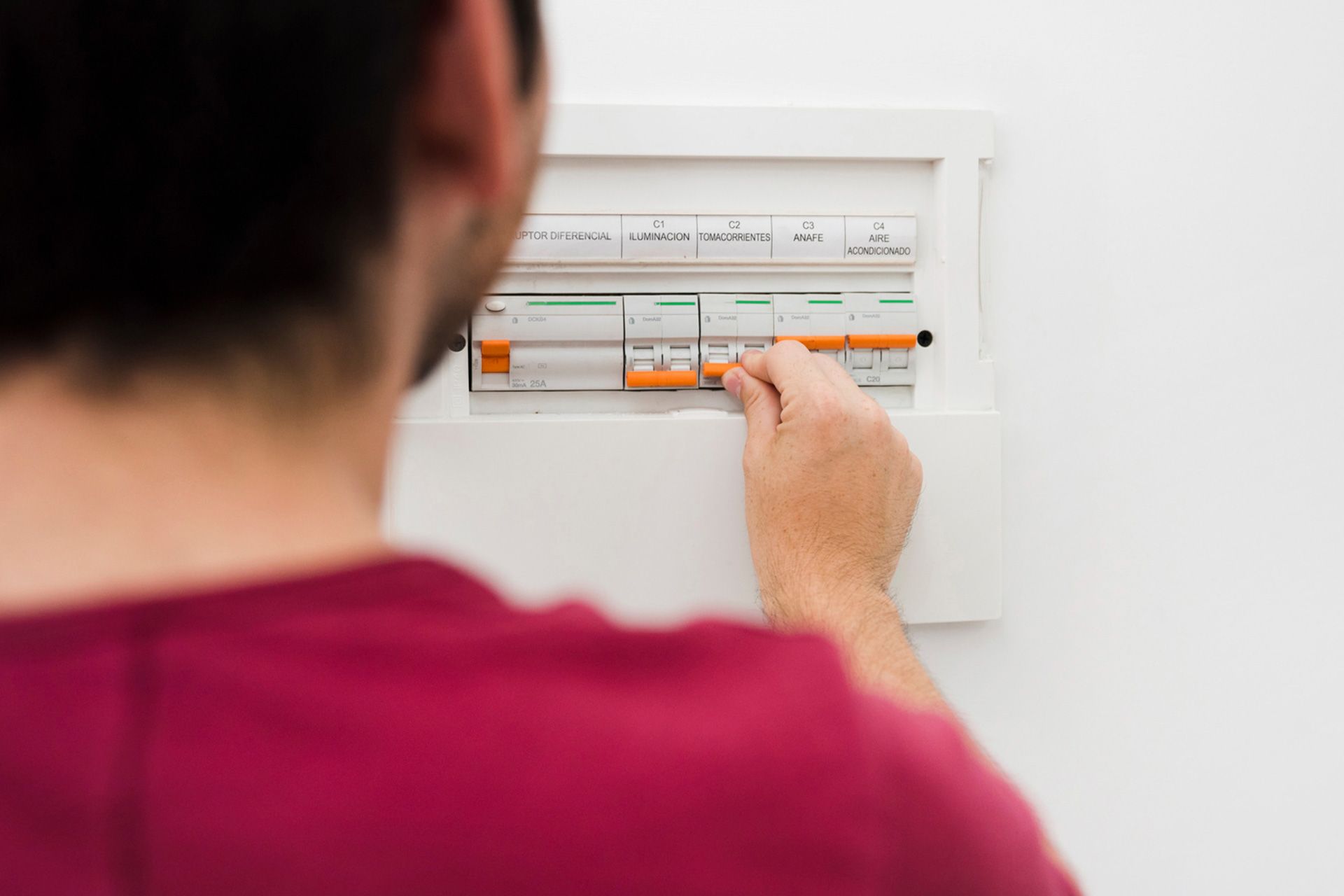
Your air conditioner fuse is a critical safety component in your HVAC system. It protects your AC from electrical damage by shutting off the system if too much current flows. A blown fuse can stop your AC from running, leaving your home hot and uncomfortable.
Knowing how to check and replace a blown AC fuse is essential for homeowners. This guide explains what AC fuses are, how to identify a blown fuse, troubleshooting steps, and replacement tips to keep your air conditioning system safe and efficient.
What is an Air Conditioner Fuse?
An AC fuse is a small electrical device that interrupts the flow of electricity when a system draws too much current. It is a safety feature designed to prevent damage to your air conditioner’s components, including the compressor, fan motors, and control boards.
Key points about AC fuses:
- Protect your AC from electrical overload
- Prevent damage to costly components
- Usually located in the air conditioner fuse box or control panel
- Can be single-use (blown fuses need replacement)
Without a functioning fuse, your AC system could overheat, potentially causing more severe electrical or mechanical damage.
How Does an AC Fuse Work?
The fuse contains a thin metal wire or strip. When current exceeds a safe level, this metal melts, breaking the circuit. This interrupts the flow of electricity and stops the AC from running.
Once a fuse is blown:
- The system will not turn on
- Power to certain components, like fans or the compressor, may be lost
- You may notice tripped breakers in some setups
Understanding this process helps homeowners troubleshoot electrical issues safely.
Common Signs of a Blown Air Conditioner Fuse
Knowing the signs of a blown fuse can save time and prevent AC system damage:
- AC won’t turn on – A blown fuse can stop the entire system from operating.
- Intermittent operation – The AC may start then stop unexpectedly.
- No response from indoor or outdoor units – Both units may fail if the main fuse is blown.
- Burnt smell – Electrical fuses can sometimes produce a slight burning odor when they fail.
- Tripped circuit breakers – Often accompanies a blown fuse in the disconnect box.
If you notice these symptoms, checking the AC fuse is an important first step before calling a technician.
How to Check if Your AC Fuse is Blown
Checking your air conditioner fuse safely requires some preparation and attention to detail.
Step 1: Turn Off Power
Before inspecting the fuse, turn off the main power to the AC unit. Locate the disconnect switch or breaker that powers your system.
Step 2: Locate the Fuse Box
Find the air conditioner fuse box. This is usually inside the outdoor condenser unit or the electrical panel near the system.
Step 3: Inspect the Fuse
- Remove the fuse carefully
- Look for a broken wire or a dark, burnt appearance
- Use a multimeter to check continuity:
- Set the multimeter to ohms
- Test across both ends of the fuse
- A reading of zero or near zero indicates a good fuse; no reading indicates it’s blown
Step 4: Replace if Needed
If the fuse is blown, replace it with one of the same type and rating. Using a fuse with a different amperage can damage your system or create safety hazards.
AC Fuse Replacement Tips
Replacing an AC fuse may seem simple, but following the right steps ensures safety and system longevity:
- Use the correct amperage – Check the old fuse or system manual for the correct rating.
- Wear protective gloves and eyewear – Electrical components can cause injury.
- Replace fuses one at a time – If multiple fuses are present, replace each individually.
- Check other components – Ensure no underlying issues caused the fuse to blow, like short circuits or overloaded motors.
- Test the system – After replacement, turn the system on and verify proper operation.
Proper replacement prevents repeated fuse failures and protects your HVAC system.
Why AC Fuses Blow
Understanding why fuses blow helps prevent future problems:
- Electrical surges – Lightning strikes or grid issues can cause fuses to fail.
- Overloaded circuits – Running the AC on a circuit with too many devices may trip the fuse.
- Faulty components – A failing compressor, fan motor, or capacitor may draw excess current.
- Incorrect fuse rating – Using the wrong type of fuse can cause frequent failures.
- Age and wear – Over time, fuses degrade and may blow even under normal operation.
Identifying the cause ensures you replace the fuse and address the underlying problem.
Safety Precautions When Handling AC Fuses
Working with electrical components carries risks. Follow these safety precautions:
- Always turn off the main power before inspecting or replacing a fuse.
- Avoid using makeshift tools or metal objects.
- Use a multimeter to test the fuse rather than relying on visual inspection alone.
- If unsure, call a licensed HVAC technician.
- Keep children and pets away from electrical areas during maintenance.
Safety first ensures you avoid accidents and protect your AC system.
When to Call a Professional
While homeowners can check and replace fuses, some situations require professional help:
- Repeated blown fuses
- AC system still not running after fuse replacement
- Visible damage to wiring or components
- Uncertain about amperage or fuse type
HVAC professionals have the tools and expertise to diagnose electrical issues and prevent further damage.
Preventing Fuse Problems
To reduce the likelihood of blown fuses:
- Schedule regular AC maintenance
- Keep outdoor units free of debris
- Avoid overloading circuits
- Inspect wiring periodically
- Use surge protectors for your HVAC system
Proactive care keeps your AC running efficiently and protects it from electrical problems.
Conclusion
Knowing how to identify a blown AC fuse is key to keeping your air conditioning system running smoothly and preventing further damage. Quick detection and proper handling can save time, energy, and repair costs.
For professional assistance,
Old School Air Conditioning offers expert
AC repair and maintenance services. Their experienced technicians can safely replace blown fuses, troubleshoot electrical issues, and ensure your system operates efficiently year-round. With Old School Air Conditioning, you can trust your home stays cool, comfortable, and protected.
FAQs
How do I know if my AC fuse is blown?
Signs include the AC not turning on, intermittent operation, tripped breakers, or a burnt smell.
Can I replace the AC fuse myself?
Yes, if you follow safety precautions, use the correct amperage, and turn off the main power.
What causes AC fuses to blow?
Electrical surges, overloaded circuits, faulty components, incorrect fuse rating, and aging fuses.
How do I choose the right replacement fuse?
Use a fuse with the same type and amperage as the original, as specified by your AC system or manual.
How often should AC fuses be checked?
Inspect fuses during seasonal maintenance or whenever your AC shows signs of electrical problems.
Can a blown fuse damage my AC system?
Yes, repeated or prolonged electrical issues can harm motors, compressors, or control boards.
When should I call an HVAC professional?
Call a technician for repeated fuse issues, visible wiring damage, or if the system doesn’t run after replacement.za
Disclaimer: The information on this website and blog is for general informational purposes only and is not professional advice. We make no guarantees of accuracy or completeness. We disclaim all liability for errors, omissions, or reliance on this content. Always consult a qualified professional for specific guidance.
Search Blog
Recent Posts