Heat Pump or Furnace? How to Choose the Right Heating System in Florida
Florida homeowners spend much more time thinking about cooling than heating, but winter comfort still matters. Even a mild winter can bring chilly mornings and nights, and a reliable heating system can make a noticeable difference. When it is time to replace older equipment, many homeowners compare heat pumps with furnaces and wonder which option best fits the local climate.
The answer depends on climate, ducts, fuel availability, electrical capacity, and the condition of the current HVAC system. In many homes, a heat pump is practical because it provides both heating and cooling. A furnace can also be dependable when a home already has the right setup.
Start With the Basic Difference
A heat pump and a furnace warm a home in different ways.
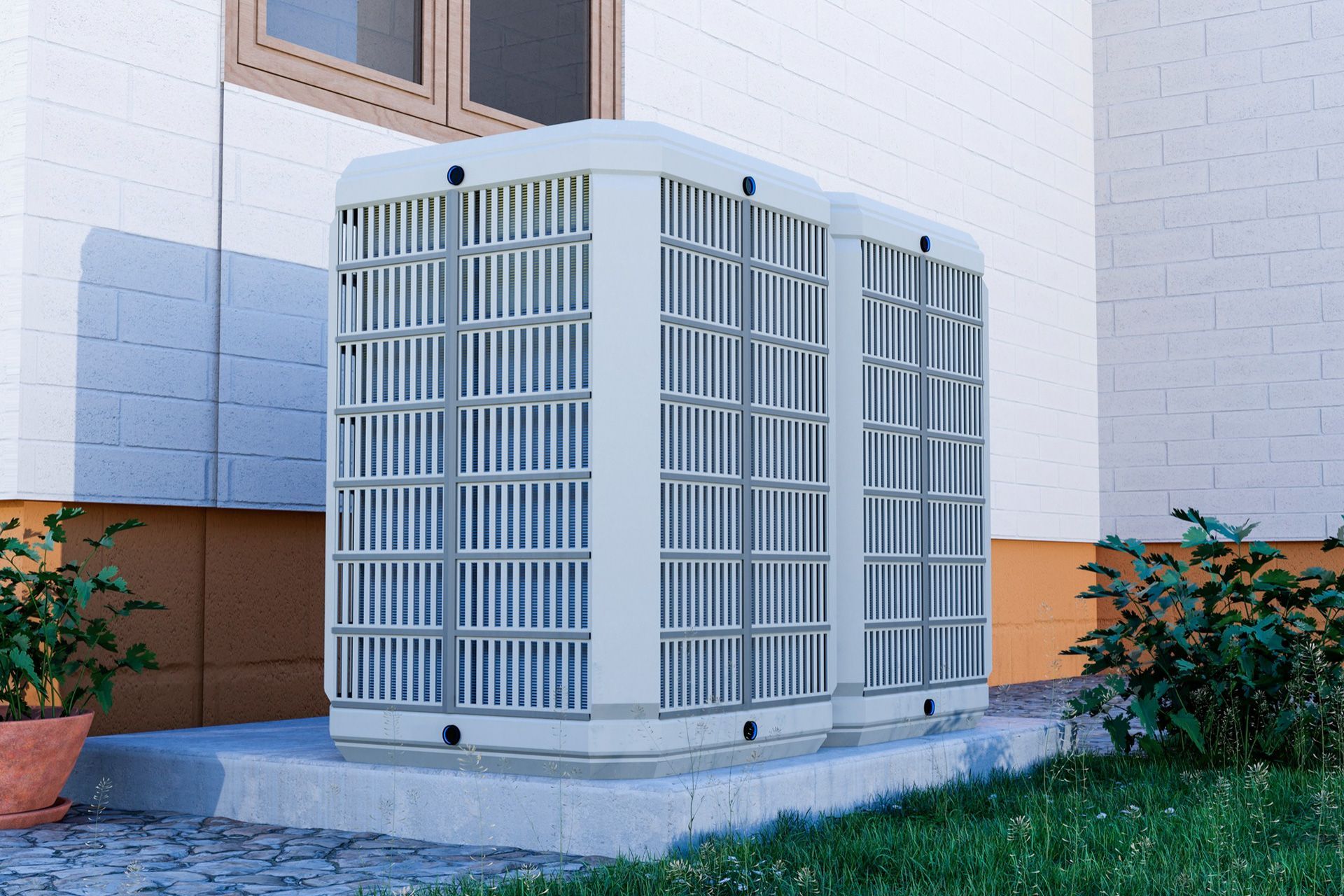
A heat pump transfers heat instead of creating it directly. In cooler weather, it moves heat from the outdoors inside. In hot weather, it reverses the process and removes heat from the home, much like a central air conditioner.
A furnace creates heat. Gas models burn fuel, while electric models use resistance elements. A blower then sends heated air through the home's ducts.
Understanding Heat Pump vs Forced Air
This comparison can be confusing because forced air describes how conditioned air moves through the home, not how heat is produced. Both a furnace and a central heat pump can use a blower and ductwork to distribute warm air.
Homeowners comparing conventional forced air vs. a heat pump are usually comparing a furnace-based heating system with a heat pump. A better comparison is a heat pump versus a furnace, while also checking whether the existing duct system can support either option.
Why Florida's Climate Changes the Decision
The state has long cooling seasons and generally mild winters. That climate tends to favor equipment that can cool efficiently for much of the year while still providing dependable heating when temperatures fall.
The U.S. Department of Energy identifies air source heat pumps as a strong option for moderate and warm climates. Because they move heat rather than generate it through electric resistance, they can heat homes efficiently during mild weather.
A furnace can still keep a home comfortable, but homes here usually do not face the long periods of severe cold that make powerful furnace heating especially useful in northern states.
What Makes a Heat Pump Appealing?
A heat pump offers several advantages for homes in warm climates.
- One system handles cooling and heating. In cooling mode, it works much like a standard central AC. When heating is needed, it reverses operation.
- It fits mild winter conditions well. Heat pumps perform efficiently when outdoor temperatures remain moderate, which matches much of the state's winter weather.
- It uses electricity rather than on-site fuel combustion. A standard air-source heat pump doesn't burn gas or oil inside the home to provide heat.
A heat pump still needs proper sizing, airflow, refrigerant operation, and maintenance to perform well.
When a Furnace May Still Make Sense
A furnace can be the right choice for some homes. If a property already has a gas connection, compatible ducts, and a furnace-based HVAC setup, replacing it with another furnace may fit the existing design.
Furnaces also deliver very warm supply air, which some homeowners prefer. A gas furnace can heat a home quickly when temperatures drop.
However, a furnace does not provide cooling. A home that uses one still needs separate cooling equipment, usually a central air conditioner. A heat pump can do both.
An electric furnace is another option, but it heats with electric resistance. In a mild climate, a heat pump may use electricity more efficiently for normal heating conditions.
Cooling Needs Should Be Part of the Choice
In this warm climate, don't select heating equipment without considering cooling. Air conditioning often accounts for the largest share of HVAC operation during the year.
A heat pump can cool the home and then reverse to provide heat when needed. If you choose a furnace, you will typically pair it with separate air conditioning equipment.
For homeowners replacing both heating and cooling equipment, this difference can simplify the decision. A contractor should still evaluate cooling capacity, humidity control, duct condition, and equipment efficiency before recommending a system.
Check the Ductwork Before Choosing Either System
Duct condition affects both furnaces and central heat pumps. Leaky, damaged, undersized, or poorly insulated ducts can waste conditioned air and create uneven temperatures.
Before replacing major equipment, have the contractor evaluate supply and return airflow. A newer heating system won't fix a disconnected duct or poorly balanced room on its own.
This is another reason you shouldn't treat heat pump vs. forced air as a simple equipment comparison. If both options rely on the same duct network, the ducts must perform properly regardless of which heat source you choose.
Consider Your Existing Home Setup
Existing infrastructure can influence the best choice. Heat pumps rely on electricity, while gas furnaces need a fuel supply and safe venting. Duct condition also matters for either system. Home improvements such as new insulation, windows, additions, or remodeling can change heating and cooling needs, so do not assume the old equipment size is still correct.
Proper Sizing Matters for Both Choices
Oversized equipment can cycle too often, while undersized equipment may struggle during higher demand. Proper sizing is especially important when a heat pump also handles cooling and humidity control.
A qualified HVAC contractor should evaluate the home's heating and cooling loads instead of simply matching the capacity of old equipment. Square footage is only one factor. Windows, insulation, ceiling height, sun exposure, air leakage, and occupancy also matter.
Correct sizing supports comfort, proper cycling, and reliable system performance.
Think About Maintenance and Long-Term Use
Both systems need routine care. Heat pumps use many of the same components in heating and cooling modes, while furnaces need checks of airflow, electrical parts, and, where applicable, burners and venting. Regular service helps a technician find developing problems and confirm that the system is operating as intended.
How to Decide Which Heating System Fits Your Home
A heat pump may be a strong choice if you want one electric system for cooling and heating, have a home suited to central or ductless equipment, and want a system that matches a mild winter climate.
A furnace may make sense when the home already has suitable furnace infrastructure, the homeowner prefers furnace-style heating, or an HVAC professional finds that it better matches the property.
Before making the decision, ask your contractor:
- What heating and cooling load does my home require?
- Are my existing ducts in good condition?
- Will this system manage cooling and humidity as well as heating?
- Does the electrical service or fuel setup need changes?
- What maintenance does the recommended equipment require?
Clear answers are more useful than choosing a system based only on what a neighbor has.
Conclusion
Heat pumps and furnaces can both provide reliable heating, but they suit different homes. In a warm climate with mild winters and long cooling seasons, a heat pump can be practical because one system provides both cooling and heating. A furnace can still be a good fit when the home's existing setup and comfort needs support it.
At Old School Cooling, we evaluate heating equipment, cooling needs, duct conditions, airflow, and replacement options before recommending a system. Our team provides heating repairs and installations, along with AC installation, maintenance, and repair.
Contact us to schedule an HVAC evaluation and discuss the right system for your home.
Frequently Asked Questions
Is a Heat Pump Better Than a Furnace in Florida?
A heat pump is often a practical option because the state has mild winters and long cooling seasons. It can provide both heating and cooling. A furnace may still be appropriate depending on existing equipment, fuel availability, ducts, and homeowner preferences.
Can a Heat Pump Replace Both My Furnace and Air Conditioner?
In many homes, yes. An air-source heat pump can provide cooling in warm weather and reverse operation to provide heating when temperatures drop.
Does a Heat Pump Work When the Weather Gets Cold?
Yes. Modern heat pumps can operate in cold weather, although efficiency and capacity change as outdoor temperatures fall. Generally, mild winters favor standard air source heat pump operation.
Do Furnaces and Heat Pumps Use the Same Ductwork?
Central versions of both systems can use forced air ductwork. Check existing ducts for sizing, leakage, insulation, and airflow before installing new equipment.
What Should I Check Before Replacing My Heating System?
Have a professional evaluate equipment condition, heating and cooling loads, ductwork, electrical capacity, fuel availability, insulation, airflow, and humidity needs before recommending a replacement.
Disclaimer: The information on this website and blog is for general informational purposes only and is not professional advice. We make no guarantees of accuracy or completeness. We disclaim all liability for errors, omissions, or reliance on this content. Always consult a qualified professional for specific guidance.
Search Blog
Recent Posts